The year 2026 marks the commencement of the "15th Five-Year Plan" and serves as a year for promoting China's film economy. As the industry moves past the stage of extensive box office growth, this year's industry forum focuses on a more fundamental core proposition: when film is no longer just a single theatrical content product, but a value hub connecting content creation, industrial synergy, and omni-channel consumption, how can the Chinese film industry build a truly sustainable, resilient, and high-quality development ecosystem?
A clear industry consensus is taking shape during this discussion: the new ecosystem of China's film economy is more than just glamorous box office figures supported by a few blockbusters; it is a synergistic effect across the entire industry chain, rooted in high-quality content and centered on the long-term operation of IPs.
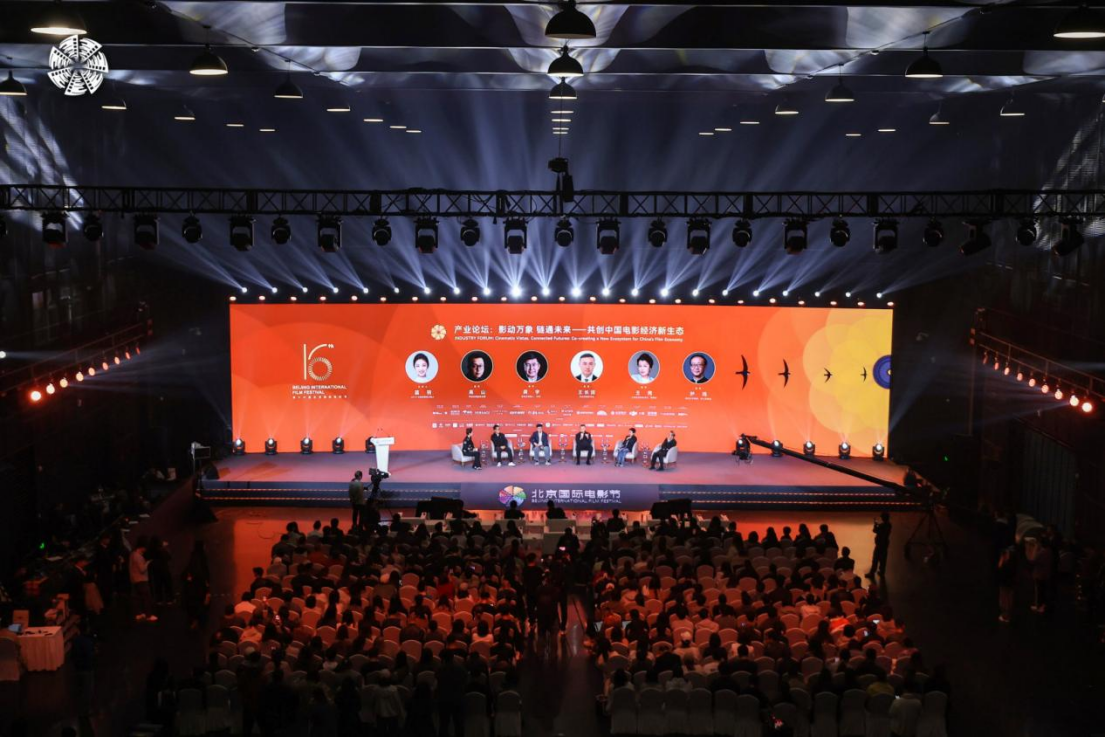
Jointly hosted by the Beijing International Film Festival (BJIFF) Organizing Committee and the China Film Association, the 16th BJIFF Industry Forum, titled "Cinematic Vistas, Connected Futures: Co-creating a New Ecosystem for China's Film Economy", was successfully held on April 17 at O-Stage, Shouchuang · Langyuan Station, Dongba.
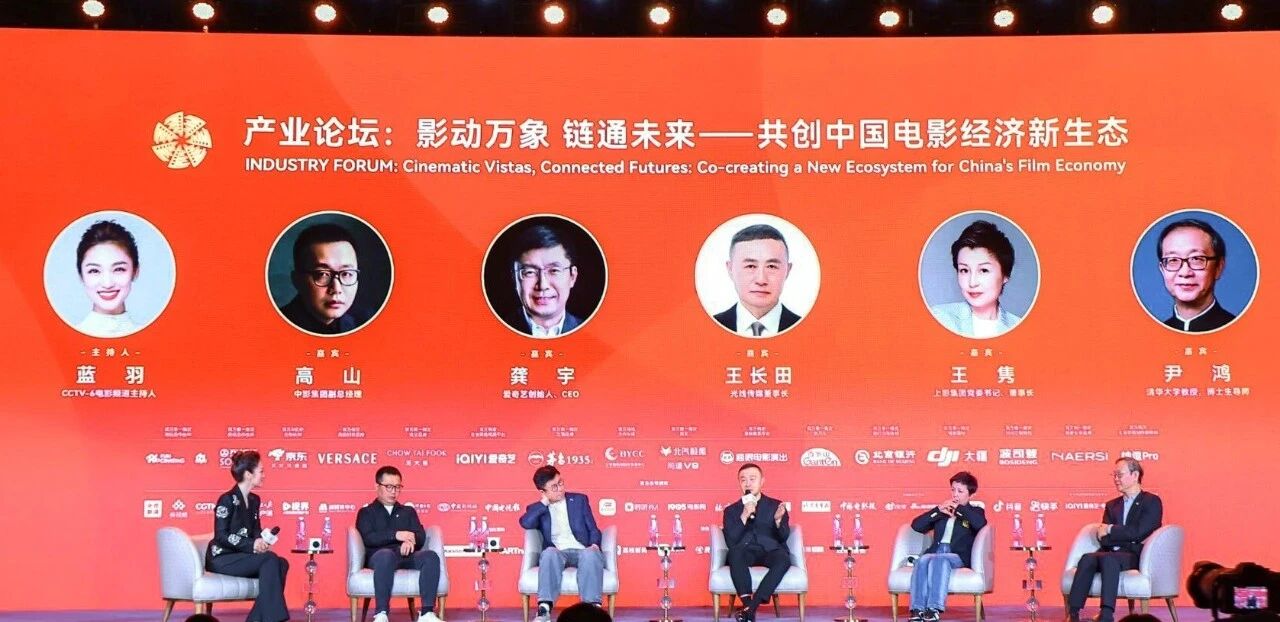
Scene of the 16th BJIFF Industry Forum
Major Releases: Three Key Industry Achievements Unveiled to Consolidate the Foundation of Sector Development
Prior to the roundtable discussions, three significant industry achievements and support policies were successively released at the forum.
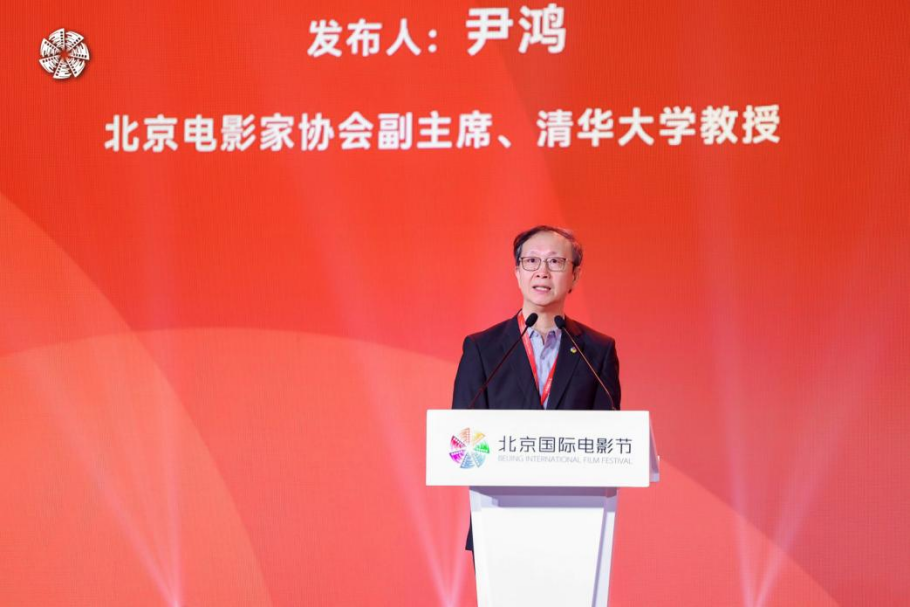
Yin Hong, a professor and doctoral supervisor at Tsinghua University, released the "2025 Beijing Film Industry Research Report" on-site. The report shows that Beijing firmly maintains its position as the national height of film creation and production, accounting for 1/4 to 1/3 of key national metrics, including output, box office, and overall influence.
Beijing Film Association Released
"2025 Beijing Film Industry Research Report"
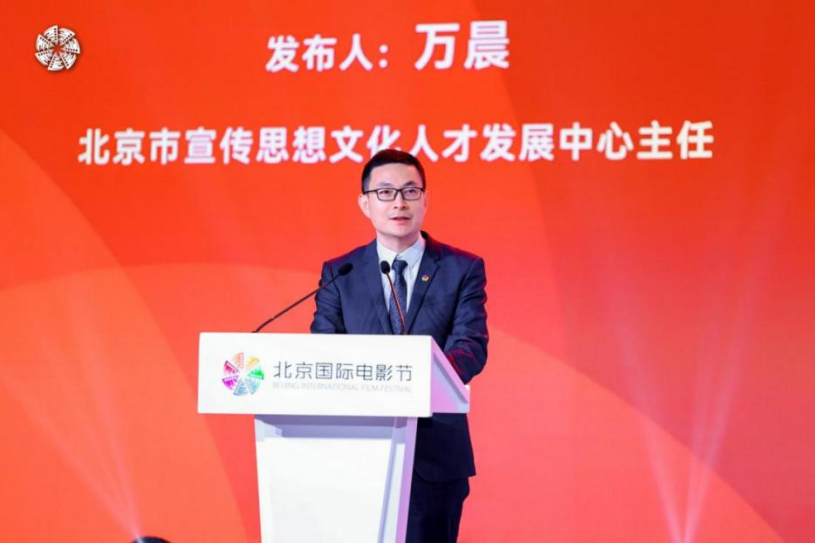
Wan Chen, Director of the Beijing Development Center for Publicity, Ideological and Cultural Talents, presented the policies for the Beijing Culture Guiding Fund's film projects at the forum. Over the ten years since its establishment, the fund has supported nearly 300 film projects, covering the entire industry chain from scriptwriting to overseas distribution.
Presentation of the Beijing Culture Guiding Fund's
Film Project Policies
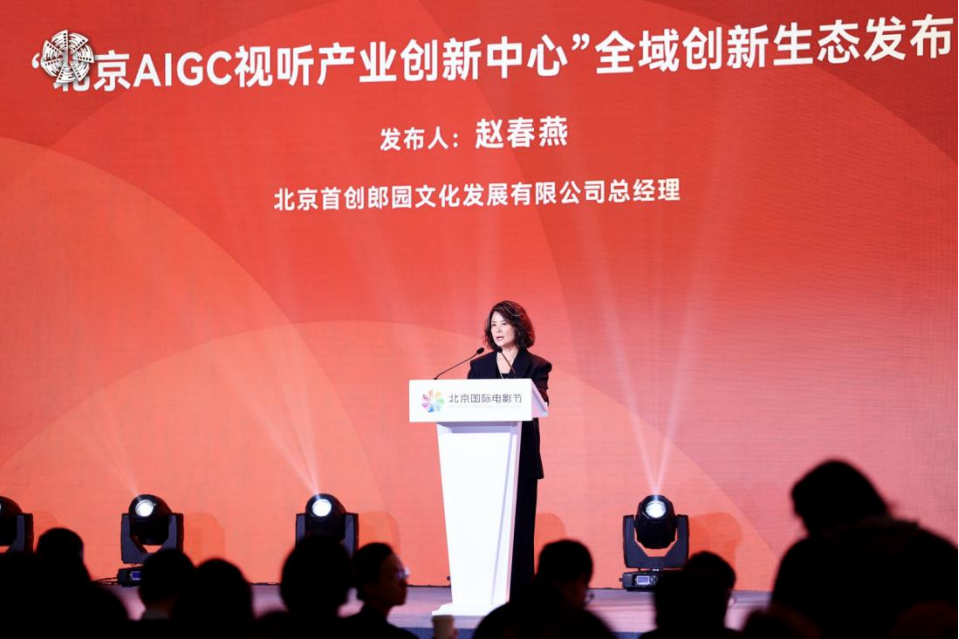
Finally, Zhao Chunyan, General Manager of Beijing Capital Group Langyuan Cultural Development Co., Ltd., unveiled the achievements of the "Beijing AIGC Audiovisual Industry Innovation Center" in its omni-channel innovation ecosystem. Adopting a market-oriented model of government guidance, market dominance, and professional operation by corporate entities, the center has gathered nearly 100 partners from both upstream and downstream of the industry chain, establishing a full-stack service platform.
Omni-channel Innovation Ecosystem Achievements
of the Beijing AIGC Audiovisual Industry Innovation Center
Industry Chain Synergy: From "Fighting Alone" to "Long-term Accumulation"
To realize the long-term value of IPs and the ecological development of the industry, the primary prerequisite is to break down industry barriers and build a highly efficient full-link synergy system. This includes both the synchronized linkage of upstream, midstream, and downstream sectors - creation, production, distribution, and screening - within the film industry, as well as deep cross-border collaboration between film IPs and external industries such as industrial manufacturing, consumer retail, and cultural tourism.
Gao Shan, Deputy General Manager of China Film Group Corporation, admitted during the roundtable discussion: "Currently, film companies primarily rely on their core operations and the ability to 'fight alone', while their capacity for industrial synergy is, in fact, somewhat lacking. Even when engaging in industrial collaboration, if there is a lack of genuine control and it remains at a simple licensing stage, it easily ends up as a 'one-off deal'. Our commitment to long-termism must ultimately be reflected in the quality of every single touchpoint of the IP."
Gao Shan cited an example: "For instance, if a plush doll is produced but its color fades or it sheds fur after a fan plays with it for just two days, such a poor experience will inevitably backfire on the IP, and even negatively impact the output of future feature films."
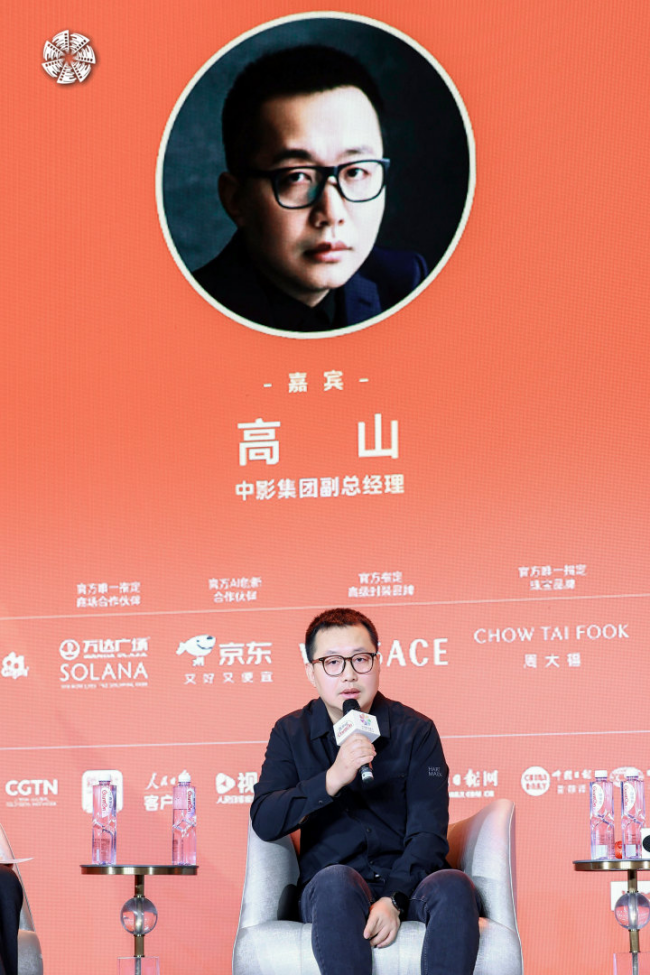
Gao Shan, Deputy General Manager of China Film Group Corporation, delivering a speech
Although the collaborative experience of film and television companies in the past was limited, more and more companies are now taking the first step. On February 8 this year, iQIYI Land in Yangzhou officially opened. Positioned as a new type of immersive entertainment space characterized by its compact scale, high interactivity, and rapid iteration, it marks the beginning of domestic streaming platforms extending their IP reach into large-scale offline spaces. This represents a significant step forward in the industry chain synergy between the film and television sector and physical industries.
Gong Yu, founder and CEO of iQIYI, shared the practical experience of the theme park business at the forum: "This business requires accumulation. Unlike the high concentration and rapid development of the new media business, it relies more on traditional production, design, logistics, and so on, so it moves relatively slowly. However, this direction is crucial because one source of income for a theme park is ticket sales, and the other is derivative sales - it essentially acts as a massive marketplace that drives the sale of merchandise. So, while it is just a small-scale experiment, it has very clearly validated this direction in China. This path requires a long process and the collective efforts of various enterprises across all sectors to truly generate a sufficient scale of revenue and profit for the film and television industry."
When every link in the chain is willing to leave an interface for the next, and when the industry evolves from isolated islands fighting individual battles into interconnected archipelagos of mutual empowerment, only then can the Chinese film industry truly unleash the growth vitality of its entire value chain.
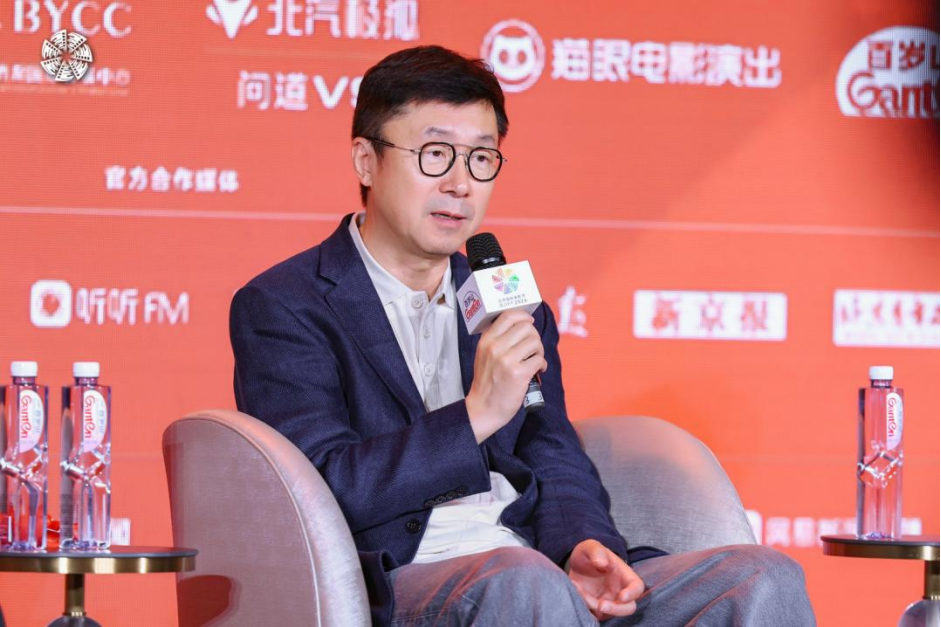
Gong Yu, Founder and CEO of iQIYI, delivering a speech
Long-term IP Operation: Turning Blockbusters into Everlasting Assets
If industry chain synergy serves as the foundational skeleton of the industrial ecosystem, then the long-term operation of IP is the core flesh and blood that sustains its continuous growth.
In the past, the commercial life cycle of a film often ended when it left the theaters, with its value release confined to a brief screening period of just a few dozen days. However, in today's industrial context, this "one-off" business logic is being completely re-evaluated. How can a film evolve from a short-term hit into a sustainable, cross-generational cultural asset? This is the critical proposition for the structural transformation of the entire industry.
After the Spring Festival, an internal letter from Wang Changtian, Chairman of Enlight Media, went viral across the industry. The central theme of the letter was "Everything for IP". At the industry forum, Wang Changtian first provided a clarifying interpretation of this statement: "When I proposed 'Everything for IP' in the internal letter, it was actually a bit of an intentional overcorrection. My goal was to grab internal attention. It doesn't mean that we should abandon content creativity, imagination, or innovation and focus solely on the money. Without imagination, creativity, and innovation, it is impossible to produce high-quality IP - that is the prerequisite. This is Enlight's core competitiveness and the only way for film and television companies to survive in the AI era; otherwise, we will inevitably be replaced by AI."
Specifically regarding the implementation logic of IP operation, Wang Changtian pointed out the unique characteristics of film-based IP. In Wang Changtian's view, an IP born from a movie enters the market of derivatives or related products carrying the film's imagery and themes, and the audience's emotional memories and resonance. "In the audience's interest in an IP, the top priority is the emotional and psychological value it provides. This means that every subsequent product of an IP must bear the hallmark of its content. Ideally, it should extend, enhance, or supplement the original IP, allowing it to both evoke the audience's original memories and offer something fresh. Only then can it maintain a continuous attraction for the audience."
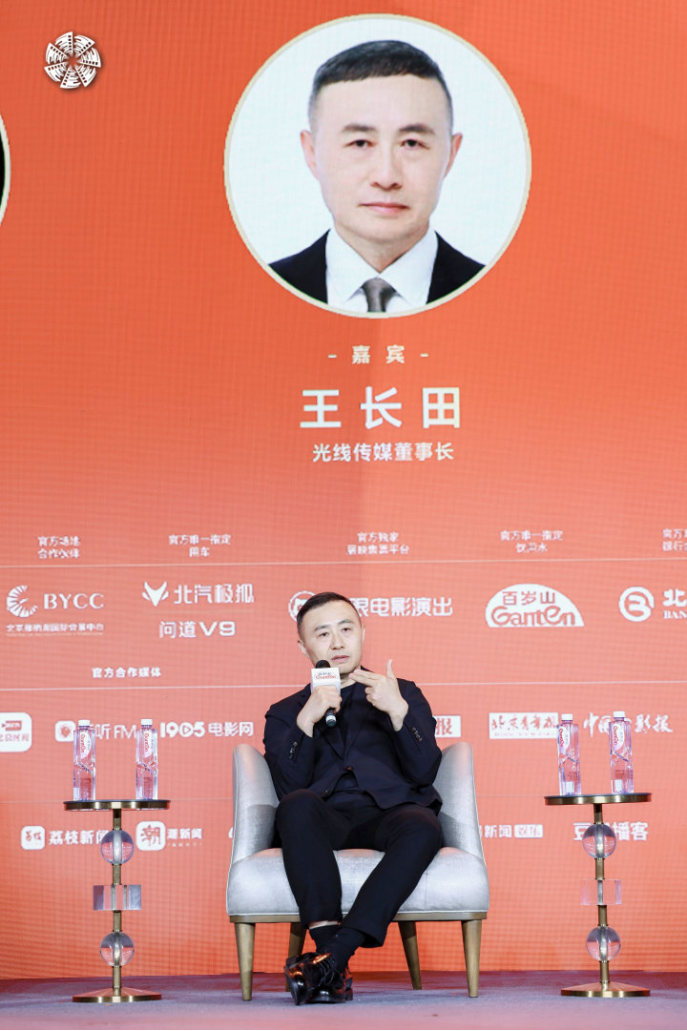
Wang Changtian, Chairman of Enlight Media, delivering a speech
Wang Jun, Party Secretary and Chairperson of Shanghai Film Group, shared the full project incubation process of Nobody, tracing its journey from a short film to a feature-length production. Before the movie's release, Shanghai Film Group proactively developed derivatives and produced a VR film, successfully establishing Nobody as a textbook case of IP operation in today's film industry. "We are very pleased that by the end of 2025, the box office of Nobody reached 1.72 billion yuan, while its total GMV (Gross Merchandise Volume) hit 2.5 billion yuan. These were the figures as of the end of last year, and they are still rising this year. I've conducted surveys showing that the most dedicated fans have watched this film up to 12 times, and they feel great joy purchasing merchandise after the screening. Therefore, IP operation is essentially about the continuous accumulation of data and feedback from audiences and consumers, and then exploring further possibilities. It is not easy for a new IP to be born, so we must nurture it with immense patience."
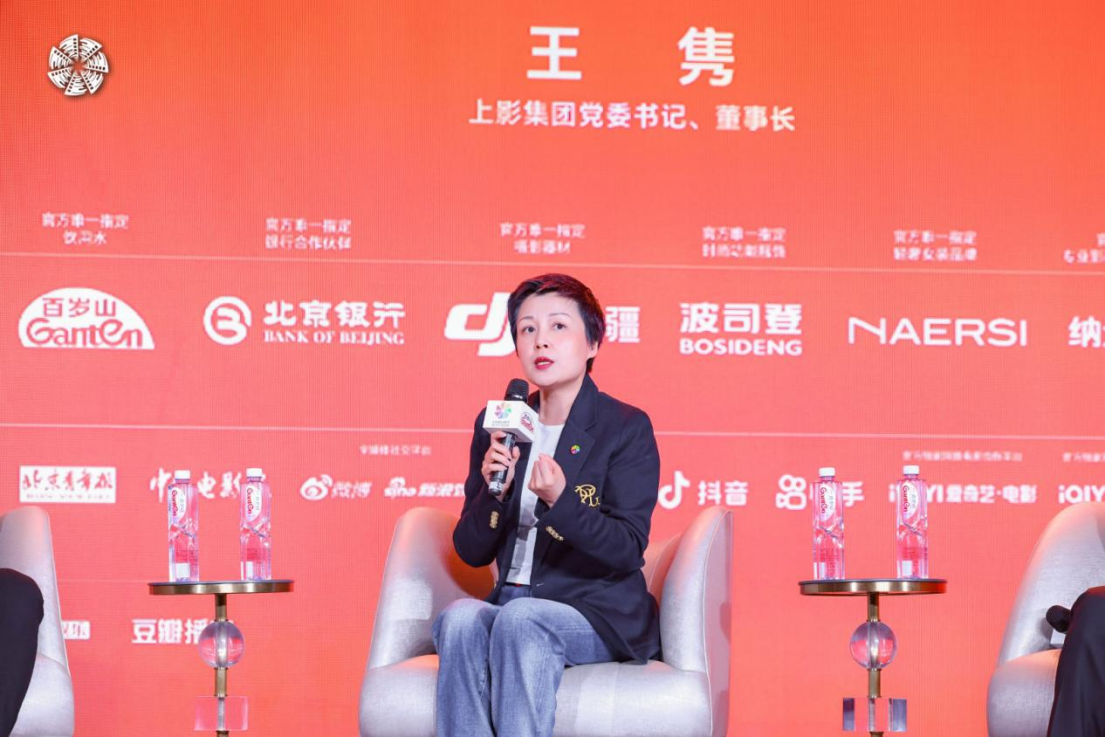
Wang Jun, Party Secretary and Chairperson of Shanghai Film Group
A New Film Economy Ecosystem Based on "Influence"
As more and more IPs begin to explore practical paths for long-term operation, the ultimate question of this forum - "How to build a new ecosystem for China's film economy?" - has finally found an actionable and verifiable solution.
To answer the era-defining question of China's film economic development, Deng Guanghui, Party Secretary and Vice Chairman of the China Film Association, first reviewed the spiritual thread of the 30-year institutional reform and 20-plus years of industrial reform in the Chinese film industry. "Looking back at the reform process of Chinese cinema over the past 30-plus years, we can see a clear logical thread - breaking the shackles of the planned economy, dismantling regional distribution barriers, implementing theater chain reforms, and introducing market competition mechanisms. It was an arduous exploration to activate film industry and market elements, marked by immense challenges; yet, it was also a vivid practice where masterpieces emerged in succession and market scale leaped forward, which was truly inspiring." Deng Guanghui stated, "The industrial resilience of China's film honed through market reforms has nurtured the most dynamic new quality productive forces. Despite the winds and waves, it has consistently and firmly maintained the high-end status of film as a narrative-based spiritual product."
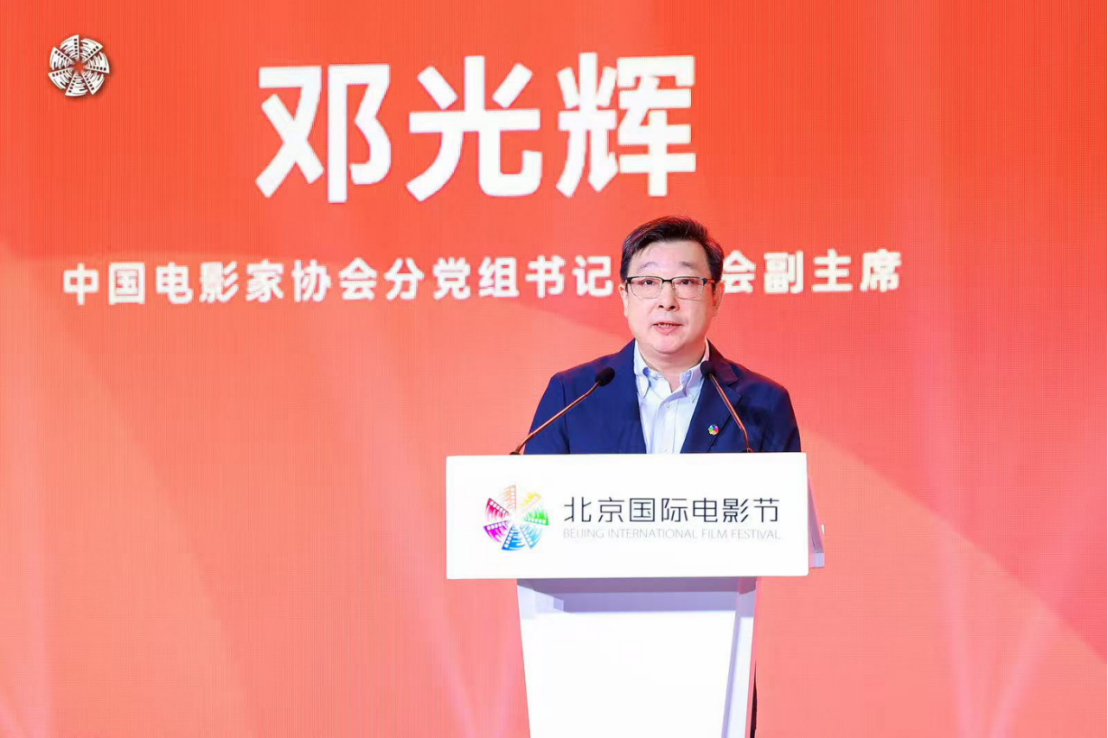
Deng Guanghui, Party Secretary and Vice Chairman
of the China Film Association
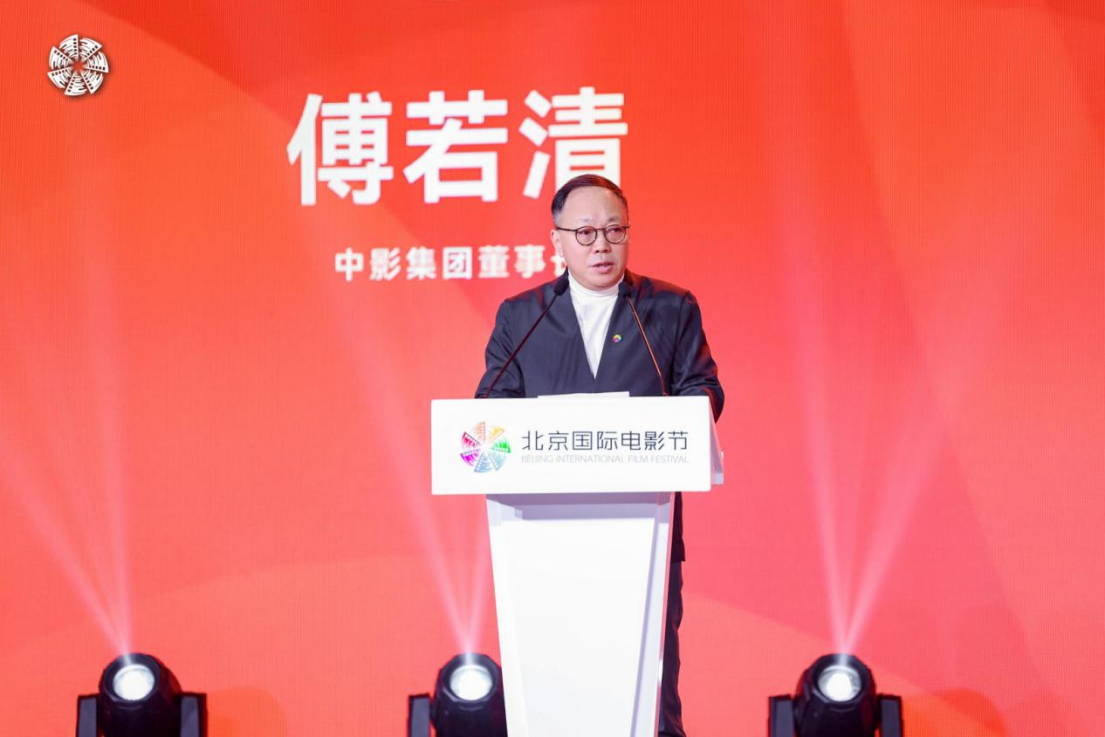
Fu Ruoqing, Chairman of China Film Group Corporation, noted in his speech that 2026 marks the historical start of the "15th Five-Year Plan", a pivotal period during which the film economy is transitioning from relying solely on box office revenue toward a diversified ecosystem. "Film culture also needs to further stimulate its vitality and enrich its connotations. At this historical crossroads, only by adhering to innovation as the engine, deeply tapping into industrial potential, and expanding the boundaries of value can we break through current development bottlenecks. This will allow the film industry to radiate stronger vitality within the era-defining themes of national economic and cultural development."
Fu Ruoqing, Chairman of China Film Group Corporation
In Yin Hong's understanding, the new ecosystem of the film economy is to transform from a "box office economy" to an "influence economy". Previously, it was highly dependent on box office revenue, but in the future, it will be highly dependent on influence. "In the future, the number of films produced may decrease, but the overall economic scale will expand, because the influence of these films will drive their value appreciation."
As for the specific approach, rather than aiming for overly ambitious and unrealistic goals, Yin Hong believes it is better for each film to embrace its own unique beauty. "Currently, when positioning a film, there's a tendency to strive for universal appeal, only to find that in the end, it resonates with no one. In the future, only a handful of top-tier blockbusters will be able to please everyone. Most films, however, will cater to specific segments of the audience. As long as we accurately identify the consumption behaviors, motivations, and patterns of these specific groups, films can still create significant influence and value."
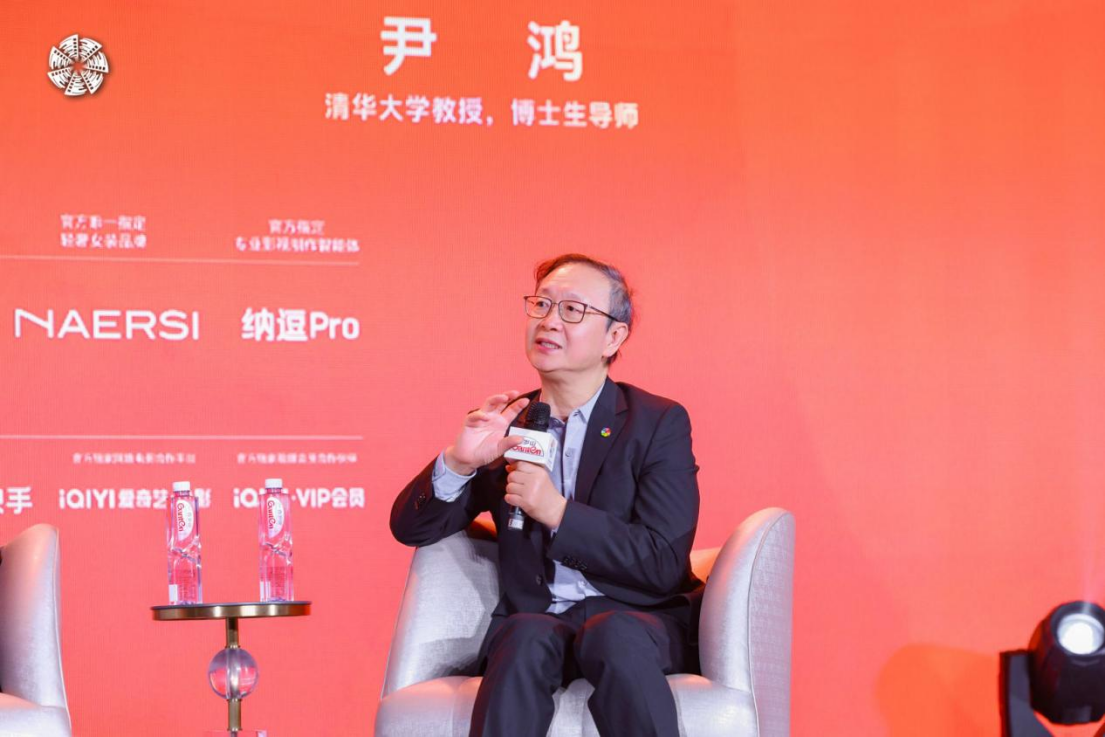
Professor Yin Hong, Ph.D. Supervisor at Tsinghua University, delivering a speech
From achieving collaborative synergy across the entire industry chain and cultivating long-term IP operations throughout their full life cycle, to the strategic shift from a "box-office economy" to an "influence economy", all discussions ultimately converge on a single goal: to move Chinese cinema away from its over-reliance on standalone box-office receipts and toward an open, symbiotic, resilient, and sustainable complete ecosystem.
When the Chinese film industry ceases to obsess over the short-term explosion of a "single work" and instead focuses on the long-term construction of an "entire ecosystem", it will inevitably pave its own path of high-quality development. In doing so, the value of cinema will transcend the boundaries of the big screen, reaching into a broader world and fostering a more enduring vitality.
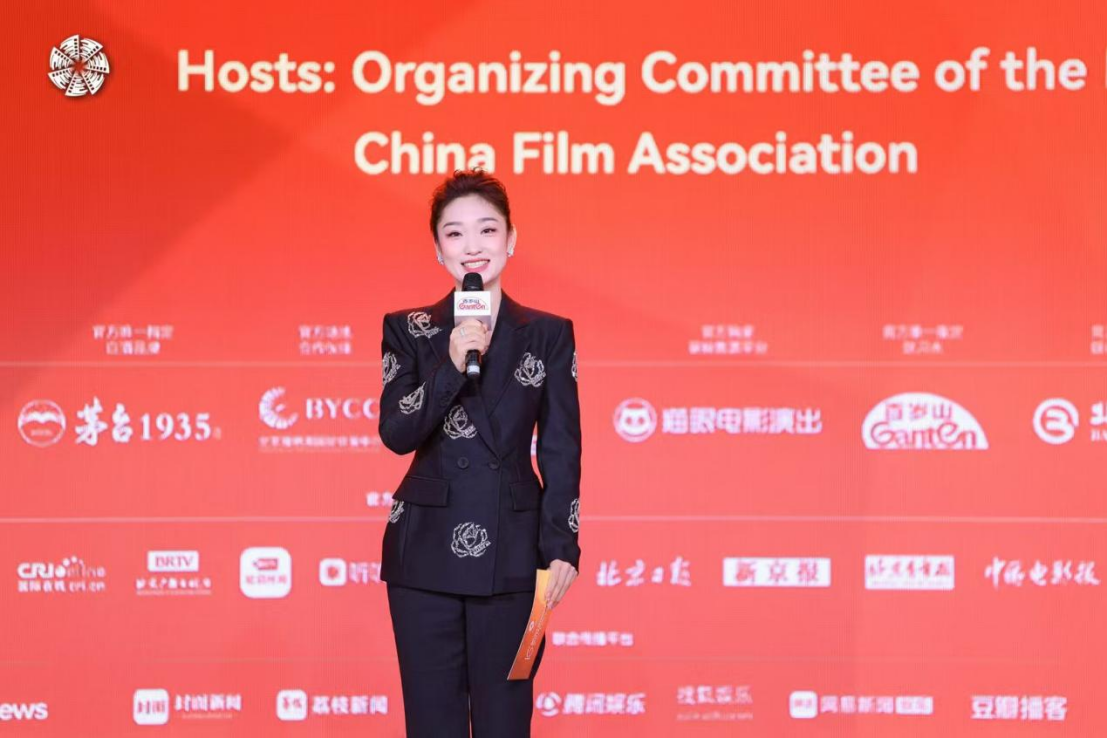
Host: Lan Yu
Roundtable Discussion Session

 WeChat
