

Hundred Flowers Returning to Yanjing, A Majestic Capital of Myriad Scenes - Written on the Occasion of the 38th Hundred Flowers Awards Series Activities to be Held in Beijing
Six decades of cinematic light and shadow flow onward, as the Hundred Flowers return like swallows to a splendid Beijing.
With the convening of the press conference for the 38th Hundred Flowers Awards Series Activities, this year's edition is scheduled to open in Beijing in early August. Spanning over sixty years, this flower of literature and art - born from the fertile soil of the "Double Hundred" policy and nurtured by audiences nationwide - once again returns to the original starting point of New China's cinema. We retrace our journey and track our roots. In the echoes of history, we understand why the Hundred Flowers Awards were born for the people, why they march with the times, and why they return to bloom in Beijing at this very moment.
Birth: Beijing Nurtured New China's First Mass Film Award
The roots of the Hundred Flowers are deeply embedded in Beijing's cultural and artistic heritage, and in the era's original aspiration of "letting a hundred flowers blossom and a hundred schools of thought contend." In 1962, under the personal advocacy and promotion of Premier Zhou Enlai, the People's Hundred Flowers Awards were officially inaugurated with Beijing as their starting point. This was New China's first national, mass-participatory film award, and it remains the only national-level film award to this day that has consistently adhered to public voting. Since its inception, it has upheld the simplest yet most steadfast principle: whether a film is good or not is for the audience to decide.
The award was named the "Hundred Flowers Award," derived from the Party's literary and artistic policy of "letting a hundred flowers blossom and a hundred schools of thought contend," symbolizing a garden of literature and art where all flowers compete in radiance and the people's aesthetics coexist in diversity. From its very inception, it was branded with a distinct popular attribute, anchoring its core color of "mass dominance, the audience has the final say."
Chinese cinema at that time was welcoming its first creative golden age. Popular Movies magazine launched a vote for readers nationwide, and handwritten, checked paper ballots flooded into Beijing from streets, factories, and villages. The inaugural event garnered over 110,000 valid ballots, with thousands of ordinary spectators choosing their own annual cinematic glory in the simplest and most sincere way. In that era dominated by paper media, ballots from all corners of the country converged into a powerful mass voice in the history of literature and art in New China.
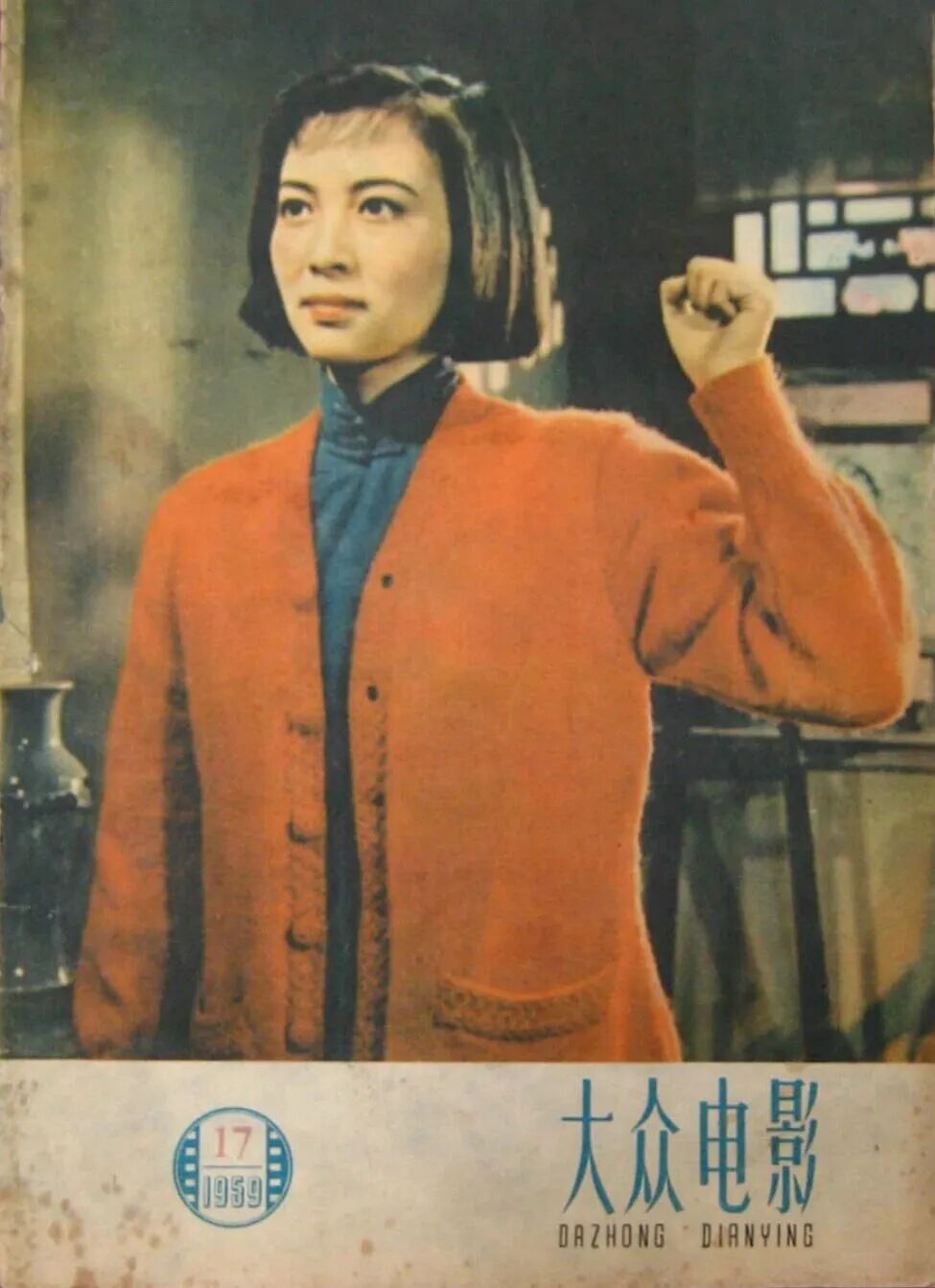
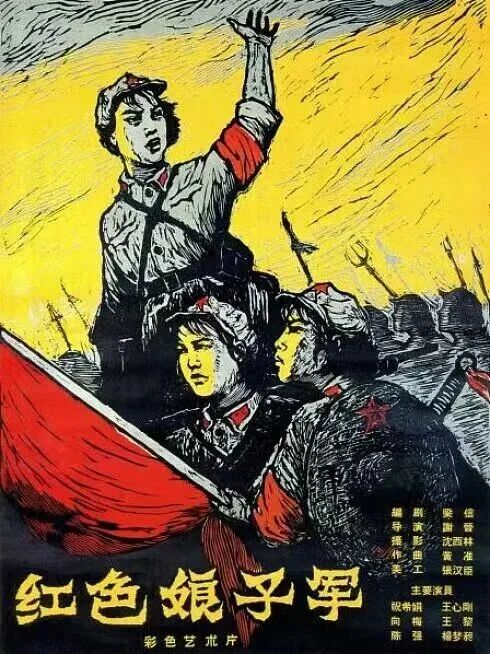
On May 22, 1962, the presentation ceremony of the inaugural People's Hundred Flowers Awards was held at the Beijing CPPCC Auditorium, engraving a classic moment into the annals of history. State leaders including Zhou Enlai and Chen Yi attended the event in person, and Mr. Guo Moruo and others presented honors to the winners, demonstrating the nation's high regard for mass literature and art as well as the cinematic cause. The Red Detachment of Women, directed by Xie Jin, won four major awards including Best Feature Film and Best Director, becoming an epochal milestone for the Hundred Flowers; young actress Zhu Xijuan became New China's first Hundred Flowers Best Actress by virtue of her vivid character portrayal. Wu Qionghua's passionate spirit and the epochal power of the red cinematic light and shadow remain vivid across more than sixty years.
When one looks back at the original aspiration, Beijing is not only the hosting and awarding venue of the inaugural Hundred Flowers Awards, but also the birthplace of the film award system in New China. Here, the concept of "the people evaluating literature and art" took root, and the Hundred Flowers Awards thus initiated a cinematic era belonging to Chinese audiences.
Growth: A "People's Choice Award" Moving from Beijing to the Nation
From the award auditorium in the capital to cinematic grand events across China, the growth trajectory of the Hundred Flowers Awards over more than sixty years is a history of endeavor starting from Beijing and expanding nationwide. No matter how far its footsteps travel, Beijing remains its unchanging original starting point and spiritual anchor.
During its inception period, the Hundred Flowers Awards were deeply rooted in Beijing's fertile soil of literature and art. The first award ceremony in 1962 and the second in 1963 were both held at the Beijing CPPCC Auditorium. Attended by state leaders and with awards presented by renowned cultural figures, these high-profile inaugural events established the national-level status of the awards and made Beijing the well-deserved birthplace and root of the Hundred Flowers Awards.
In 1979, with the resumption of publication of Popular Movies magazine, the Hundred Flowers Awards were intensively prepared amidst public acclaim. On May 23, 1980, the presentation ceremony of the 3rd Hundred Flowers Awards returned to the Beijing CPPCC Auditorium. This edition received more than 2 million ballots, creating a peak of mass participation in film award voting in China. The trophies for this edition were ingeniously crafted using the Cloisonné technique by the Beijing Enamel Factory, blending the ancient capital's intangible cultural heritage craftsmanship with cinematic honor, leaving a distinct Beijing cultural imprint. The revived Hundred Flowers Awards did not stop at Beijing but soon embarked on an exploration of expanding nationwide. In 1981, the 4th Hundred Flowers Awards were held in Hangzhou, marking the first time the award ceremony left Beijing since the inception of the awards, officially raising the curtain on hosting the event across the country on a rotating basis.
Throughout the 1980s, the Hundred Flowers Awards continuously expanded their footprint amidst exploration. From the 5th edition in Xi'an, Shaanxi, and the 6th edition in Fuzhou, Fujian, to the 7th edition in Jinan, Shandong, and the 8th edition in Chengdu, Sichuan, the awards' footprints successively covered East China, Northwest China, South China, and Southwest China, enabling audiences nationwide to participate in this mass film gala at close quarters. Meanwhile, Beijing always remained a vital anchor point: in 1986, the 9th Hundred Flowers Awards and the 6th Golden Rooster Awards held a joint award ceremony at the China Theater in the western suburbs of Beijing; in 1988, the 10th Hundred Flowers Awards returned to the Auditorium of the CPPCC National Committee; and in 1991, the 14th Hundred Flowers Awards presentation was held at the Twenty-First Century Hotel in Beijing. The pattern of "basing in Beijing and radiating nationwide" gradually took shape during this period.
1992 was an important turning point in the development history of the Hundred Flowers Awards. In that year, the China Golden Rooster and Hundred Flowers Film Festival was officially founded, upgrading the dual-award event into a comprehensive film culture gala. The inaugural film festival landed in Guilin, Guangxi, and the 15th Hundred Flowers Awards were concurrently presented. Marked by this, the Hundred Flowers Awards established a normalized mechanism of rotating hosting across the country and collaborative participation from various regions, growing into a national-level film award belonging to all Chinese audiences. Over the following decade and more, the film festival successively landed in more than ten cities, including Guangzhou, Changsha, Kunming, Foshan, Chongqing, Shenyang, and Nanning, driving the dissemination of local film culture and continuously consolidating the mass foundation of the Hundred Flowers Awards. During this stage, Beijing still witnessed its growth: in 1995, the 4th China Golden Rooster and Hundred Flowers Film Festival returned to Beijing, and the 18th Hundred Flowers Awards were presented at the National Centre for the Performing Arts, marking a "homecoming" of special significance in the development process of the awards.
Entering the new century, the Hundred Flowers Awards have continued to iterate and upgrade. Since 2005, the awards have been adjusted to a biennial schedule, alternating years with the China Golden Rooster Awards, which has made the evaluation mechanism more mature and standardized. The awards' footprints have spanned across the Yangtze River Delta, the Pearl River Delta, the Northeast, the Northwest, Central China, and Southwest China. The cultural temperaments of different regions have injected diverse vitality into the Hundred Flowers Awards, allowing the influence of the "People's Choice Award" to penetrate every corner of the country.
Marching forward relentlessly for over sixty years, the Hundred Flowers Awards, though its host cities, stage scales, and forms of dissemination have changed, has never changed its fundamental character as China's only mass-participatory film award, and the core principle of "the audience having the final say" has never wavered. Meanwhile, Beijing, as its departure point, remains the spiritual origin of this nationwide trajectory, quietly awaiting its return across the passage of time.
Retrospective: Sixty Years of the Hundred Flowers Awards and Chinese Cinema
As light and shadow have flowed for over sixty years, the winners' roster of the People's Hundred Flowers Awards serves as a brief history of Chinese cinema written by audience ballots. Every work that reaches the pinnacle of honor is imprinted with the social sentiments and shifts in mass aesthetics of its respective era. From the red original aspiration during its inception period to the diverse blooming of the new era, the Hundred Flowers Awards have always progressed in sync with Chinese cinema, engaging in a two-way embrace with the people's aesthetics.
In the 1960s, the Hundred Flowers bloomed for the first time, with red classics laying down the defining tone of the era. The inception of the awards coincided with the first creative golden age of New China's cinema; The Red Detachment of Women set an epochal milestone with its full revolutionary passion, while Li Shuangshuang triggered widespread public resonance with its vivid rural life. Works of this period were deeply rooted in reality and high in spirit, echoing the literary and artistic policy of "letting a hundred flowers blossom" and aligning with the spiritual and cultural needs of the masses in the early days of New China.
In the 1980s, the Hundred Flowers re-opened, as humanistic awakening echoed the emancipation of the mind. The revival of the awards in 1980 coincided with the tide of reform and opening-up, completely broadening the creative horizon. Legend of Tianyun Mountain and The Herdsman, featuring profound historical reflection, looked back at individual destinies and spiritual perseverance amidst the waves of the times, while works like Wreaths at the Foot of the Mountain and Sunrise focused on individual fates and various social realities, witnessing Chinese cinema's crucial leap from the liberation of thought to creative prosperity. In the late 1980s, Red Sorghum, with its intense and uninhibited Eastern aesthetics, not only garnered prestigious international cinematic accolades but also won broad acclaim from domestic audiences, marking a new milestone for the artistic expression and cultural confidence of Chinese cinema.
The 1990s witnessed a diverse symbiosis, where the deep cultivation of main melody films and the budding of marketization ran parallel. Main melody creations continued to achieve breakthroughs: Zhou Enlai set a benchmark for epic narratives, while hero-and-model themed films such as Jiao Yulu and Kong Fan Sen inspired generations of audiences. Concurrently, artistic expressions advanced to new heights, with works like Raise the Red Lantern and The Story of Qiu Ju demonstrating the artistic peak of Chinese cinema. The film The Dream Factory, which won Best Feature Film in 1998, pioneered the Spring Festival celebratory film genre in the Chinese mainland, marking the official entry of market-oriented creations into the public's aesthetic field and proving the mass nature of the Hundred Flowers Awards in closely following audience preferences.
In the new century, industrial changes ushered in the blockbuster era, triggering industrial upgrading. With the advancement of the industrialization reform of Chinese cinema, audience aesthetics shifted toward commercial texture and genre storytelling. Urban comedies such as Big Shot's Funeral sustained resonance with everyday life, Hero inaugurated the era of domestic commercial blockbusters, and The Founding of a Republic pioneered a brand-new paradigm for mainstream tribute films, achieving a dual breakthrough in both social impact and economic returns, while charting the growth trajectory of Chinese film industrialization.
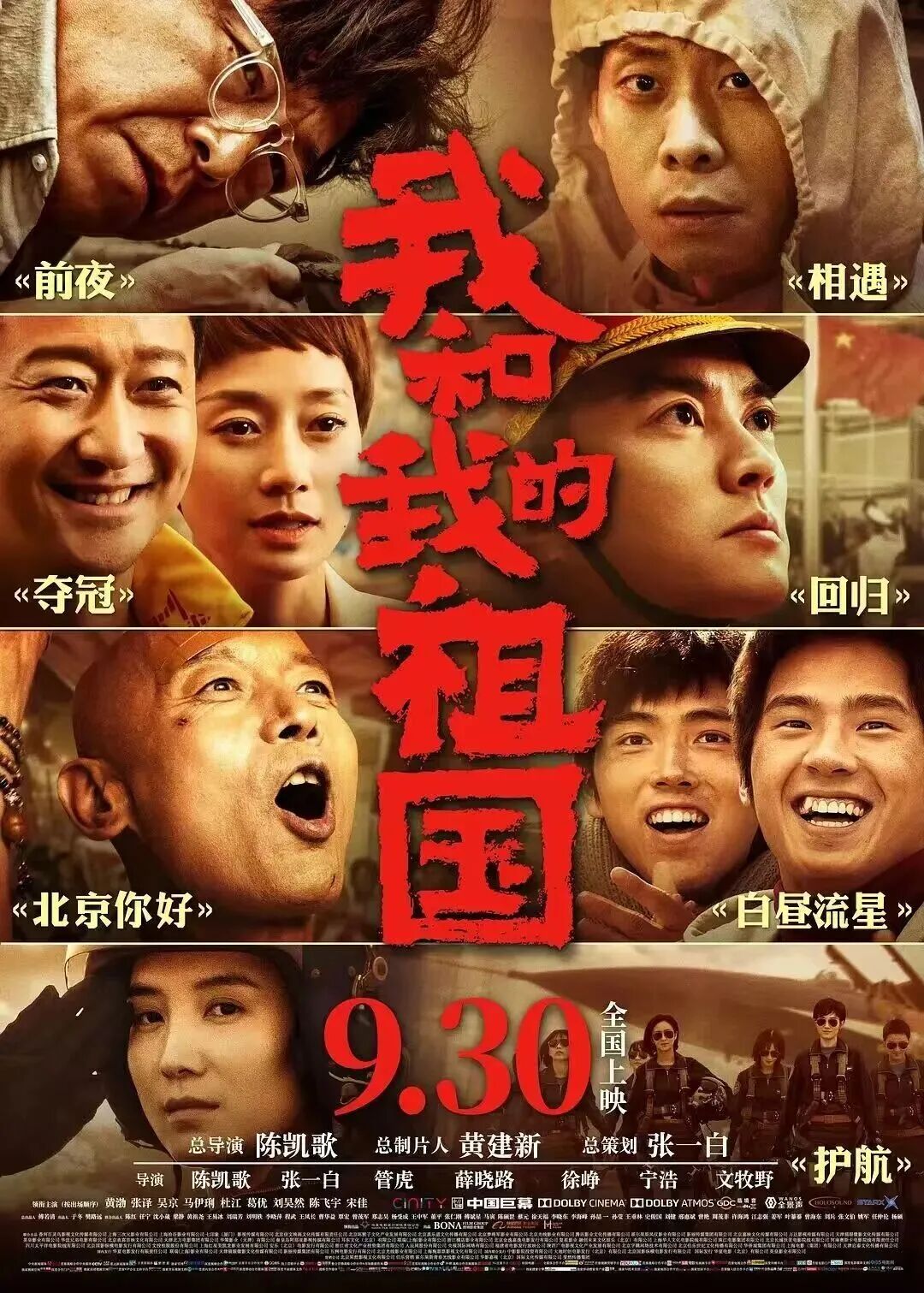
In the new era, creators have deeply cultivated reality, and new mainstream narratives have triggered nationwide empathy. Since 2012, the award-winning works have exhibited the distinct characteristics of "mainstream values + industrial standards + mass empathy." New mainstream blockbusters such as Wolf Warriors, The Battle at Lake Changjin, and Operation Red Sea have ignited patriotic sentiments; the My People, My... series has interconnected the collective memories of the era for the entire nation; reality-themed works like Dying to Survive and Hold Your Hands have delved deeply into the everyday lives of ordinary people; and films like The Bravest, The Captain, and Island Keeper pay tribute to the power of faith in ordinary positions, proving that taking root among the people and responding to the times remain the eternal standards for good cinema.
Through the changing times over more than sixty years, though the creative landscapes and audience aesthetics have constantly iterated, the essence of the Hundred Flowers Awards - "the audience has the final say" - has never changed. Using ballots as a pen, it records the growth of Chinese cinema and treasures the collective cinematic memories of several generations of Chinese people.
Return: The Profound Significance of the 38th Hundred Flowers Awards Returning to Beijing
From its initial blooming at the Beijing CPPCC Auditorium in 1962 to the return of the 38th event to Beijing in 2026, over sixty years of time have flowed by, and a homecoming across time and space has finally arrived as promised.
This is a spatial loop. Over sixty years ago, the Hundred Flowers Awards set out from Beijing, carrying the expectations of the people to the whole country, spreading the concept of public-voted awards across the land; today, as the Awards return to their birthplace, it marks a retracing of origins spanning over half a century and a return to the original aspiration after flourishing nationwide.
This is a temporal depth. Having weathered inception, revival, and reform, the Hundred Flowers Awards have witnessed the transformations of New China's cinema and accompanied generations of audiences through decades of light and shadow. With the Hundred Flowers Awards returning to Beijing today, the historical accumulations of the past, the original color of the people's aspirations, and the developmental achievements of the era converge here, endowing this year's events with a profound historical weight.
Even more so, this marks a sublimation of its mission. Grounded in the capital's positioning as the national cultural center, the 38th Hundred Flowers Awards Series Activities anchor their distinctive features across three dimensions, embarking on a brand-new journey toward the future while looking back at their original aspiration.
Grounded in its positioning as a national-level film award, it highlights the capital's demeanor in the new era. As a national-level film award born in Beijing and rooted in the "Double Hundred" policy, the Hundred Flowers Awards have been endowed with benchmark significance right from the very beginning. Adhering to top-tier capital standards, this edition drives the quality improvement and upgrading of the awards through high-quality organization, integrating the capital's profound cultural heritage and first-class event-hosting standards throughout the entire process. This not only echoes the high-profile starting point at its inception over sixty years ago, but also leverages the communication capacity and influence of a national-level award to showcase the new vitality of the capital's cultural construction in the new era.
Highlighting the developmental characteristics of the spirit of the times, it leverages the national cultural center to showcase the new landscape of the film industry. As the national cultural center, Beijing is also the core highland of China's film industry, converging resources across the entire chain of creation, talent, technology, and dissemination. Throughout its journey, the Hundred Flowers Awards have always grown in sync with China's film industry, witnessing the transformations of the sector every step of the way, from creative exploration in the celluloid era to industrial upgrading in the wave of marketization. Relying on the capital's industrial advantages, this edition will build a platform for industry exchange and achievement display, intensively presenting the latest landscape of film creation and industrial development in the new era, thereby injecting lasting momentum into building a leading film nation.
Consolidating the core affinity to the people, it fulfills the original mission of literature and art. The affinity to the people is the inherent soul of the Hundred Flowers Awards; from the 110,000 paper ballots of the inaugural edition to the online participation of tens of millions of audience members today, the masses' right to judge has always remained the most solid foundation of the awards. This edition of events adheres to putting the people first, firmly upholding the fundamental direction of literature and art serving the people; it persists in openness and sharing, broadening channels for public participation to ensure this grand cinematic event truly approaches the masses and integrates into daily life. By leveraging high-quality cultural activities to pool popularity, unleash vitality, and empower the economic and social development of the capital, it ensures that this "people's award" truly gives back to the people.
Hundred Flowers returning to Yanjing, with original aspirations unchanged; a majestic capital of myriad scenes, journeying toward the light.
In early August, Beijing welcomes the Hundred Flowers in full bloom. Following the echoes of history, let us head to this cinematic rendezvous together, listen to the voice of the people, and witness this "people's flower" - born in the capital and nurtured across the nation - continue to write a brilliant chapter for Chinese cinema in the new era.
