

Retrospective: Werner Herzog: The Cinematic Warrior Who Pushes Boundaries
A leading figure of New German Cinema, Werner Herzog is undoubtedly one of the most influential and legendary filmmakers in the world today. His filmmaking journey has spanned continents, from the icy wilderness of Antarctica to pristine tropical rainforests, from the mysterious caves of France dating back tens of thousands of years to the treacherous jungle rapids of the Peruvian Amazon. He is always exploring the world through his lens.
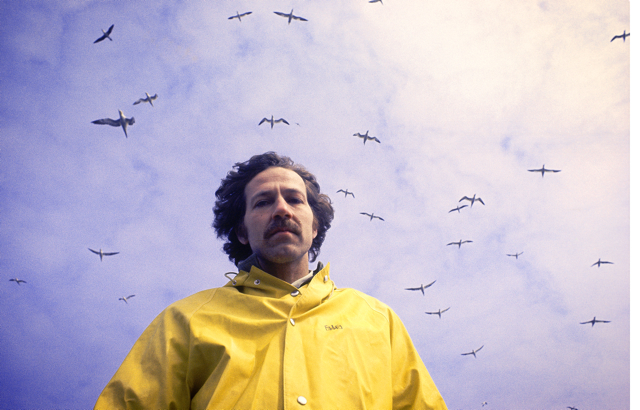
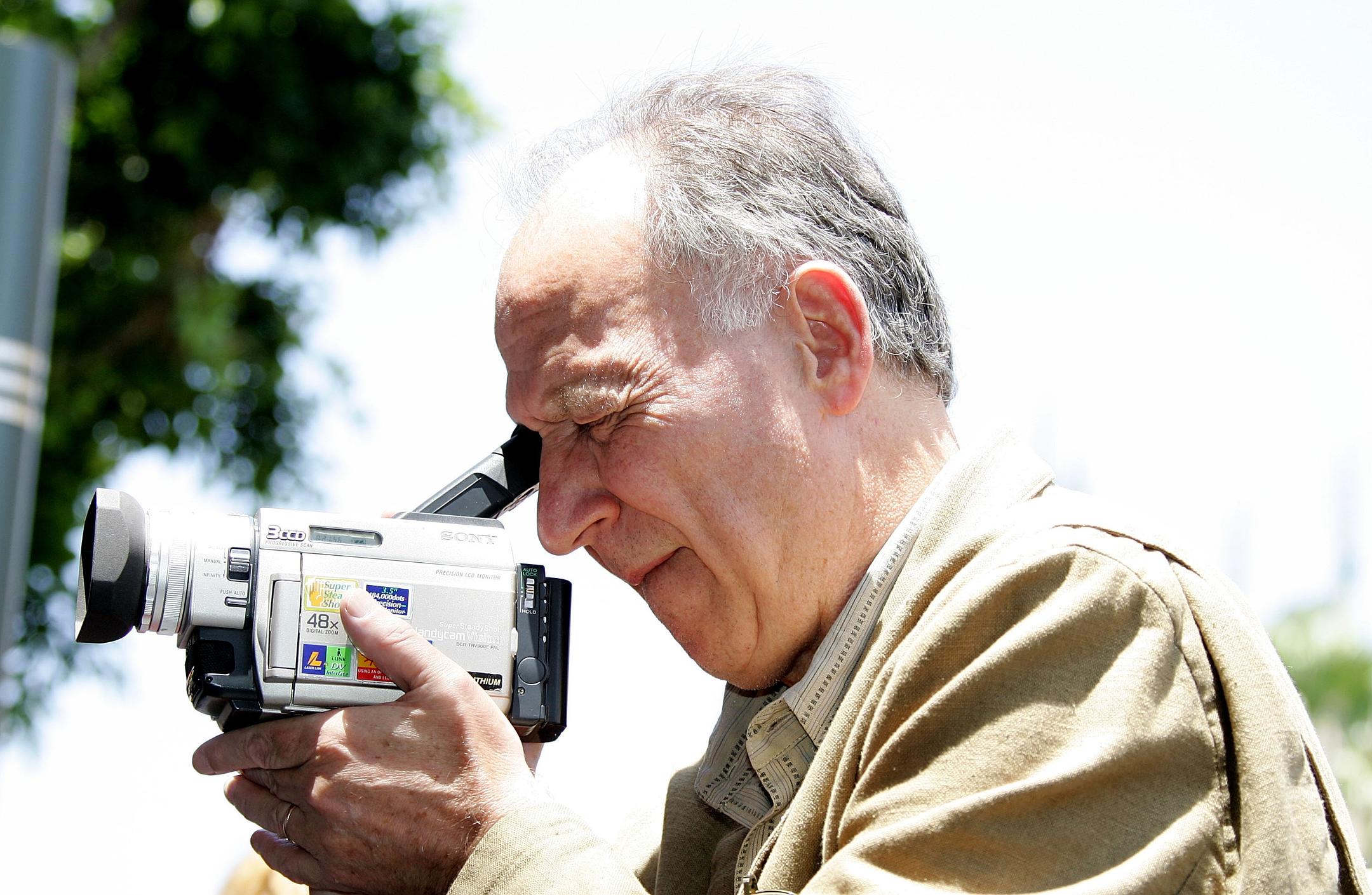
Werner Herzog
In the 2022 biographical documentary directed by Thomas von Steinaecker, Herzog described himself as a "cinematic warrior". This self-characterization captures his essence: an adventurous spirit, a relentless drive to challenge limits, and an unwavering passion for film.
This year also marks the centenary of the birth of his iconic collaborator, the legendary actor Klaus Kinski. Their joint masterpieces, including Aguirre, the Wrath of God and Fitzcarraldo, are not only a collision of creative force and frenzied spirit, but also stand as a testament to one of the most intense auteur-actor symbiotic relationships in film history. The Beijing Film Panorama section at the 16th Beijing International Film Festival (BJIFF) will feature a special Werner Herzog retrospective, systematically presenting the creative trajectory of this legendary director across both fiction and documentary filmmaking.
Thus, audiences will have the chance to revisit on the silver screen how this "cinematic warrior", Herzog, wielded his camera like a blade, repeatedly cutting through surface appearances to reach those searingly real, vital cores of existence that only moving images can capture. They will also witness Kinski's transformative performances, where he channels his life force to embody the madmen, explorers, and marginalized souls central to Herzog's cinematic visions.
Born in 1942 in Munich, Germany, Herzog relocated with his family to Sachrang near the German-Austrian border. From adolescence, he cultivated a love for hiking, journeying to Greece, the United Kingdom, and Africa. Walking became his primary means of engaging with the world - he once trekked from Munich to Paris and covered over 1,600 kilometers along the East-West German border.
Herzog's affinity for cinema emerged early; he produced short films before turning 20. Over a career exceeding six decades, he has excelled in both feature film and documentary genres.
In 1968, his debut feature film, Signs of Life, was selected for the main competition of the Berlin International Film Festival and won the Grand Jury Prize. The story follows three German soldiers guarding an ammunition depot in Greece during World War II, whose routine existence erodes their sanity, culminating in madness.
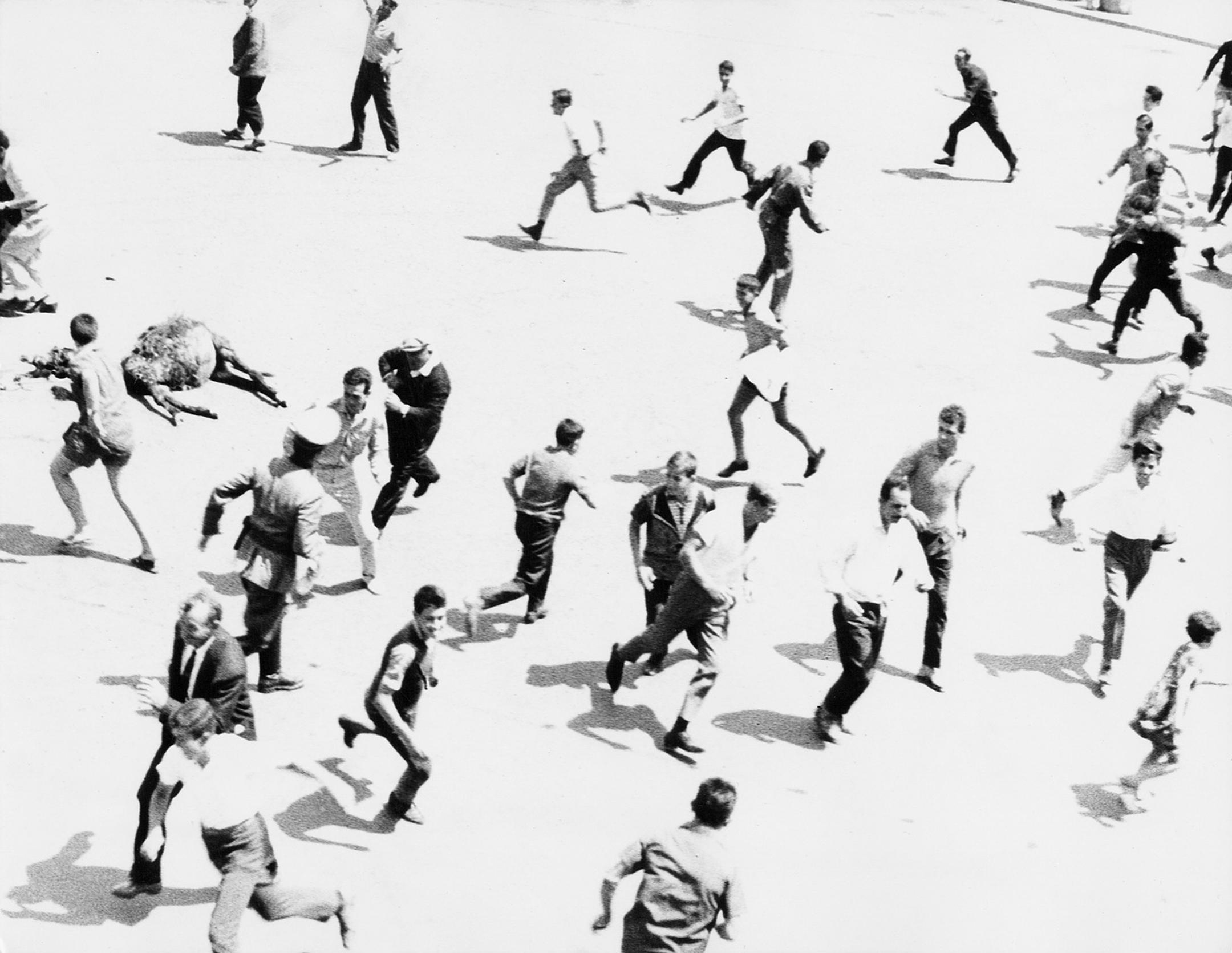
A still from Signs of Life
Signs of Life reveals how "the abandoned" can unleash astonishing destructive power, while Herzog has continually depicted marginalized figures in capitalist society. His other works from the 1970s, such as The Enigma of Kaspar Hauser and Stroszek, also created iconic marginalized figures in film history: Kaspar Hauser, who was imprisoned from birth and isolated from society, and the street performer Bruno Stroszek. Through the perspectives of these outcasts, Herzog exposes the absurdity of so-called civilized society and the exploitation under economic systems.
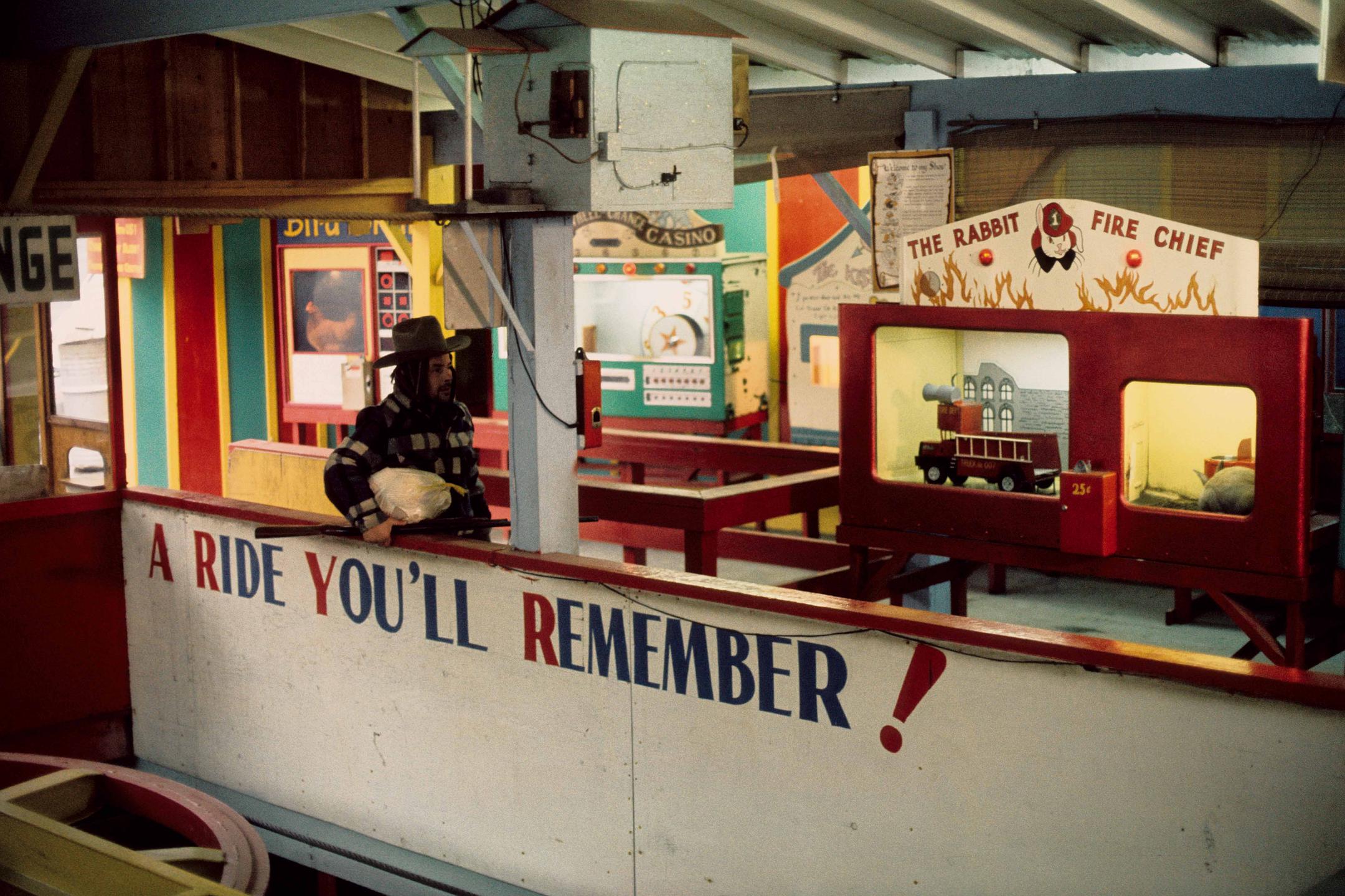
A still from Stroszek
Furthermore, Herzog's films are often drawn to depicting fanatical schemers who devote themselves to impossible tasks. His classics Aguirre, the Wrath of God and Fitzcarraldo center on such figures. Filmed under extreme conditions in South America, their production was miraculous, solidifying Herzog's lofty reputation. Klaus Kinski, who stars in both films, delivers awe-inspiring performances, brilliantly portraying the two madmen: Aguirre, who ventures into the primeval jungles of South America in search of the mythical golden kingdom, and Fitzcarraldo, who dreams of building a grand opera house in Peru. The documentary Burden of Dreams by American director Les Blank reveals the arduous making of Fitzcarraldo and its ultimate triumph.
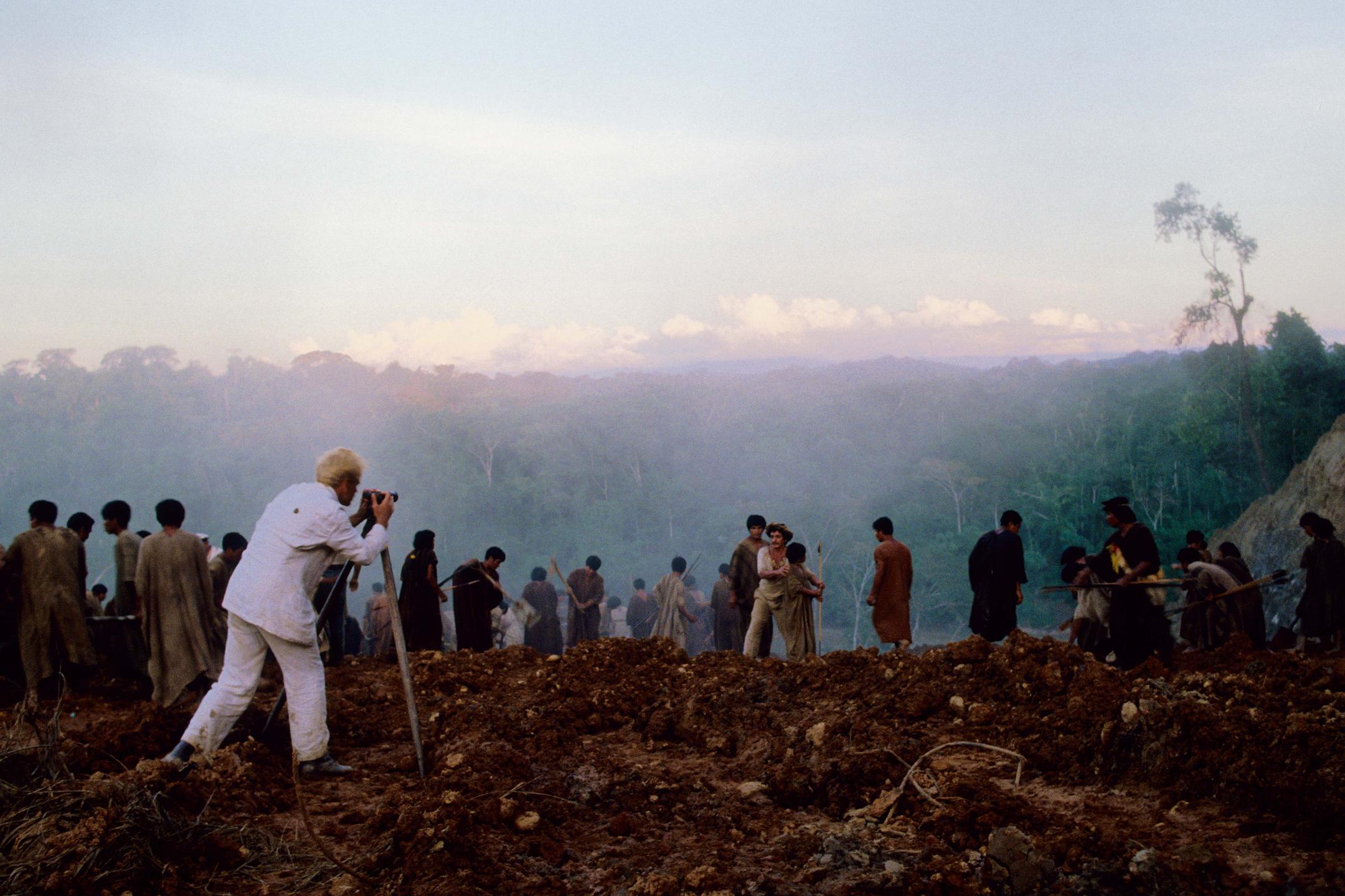
A still from Fitzcarraldo
During his prolific 1970s era, Herzog tried to reimagine German classics in his own unique style. In 1978, he released Woyzeck, based on the classic play of the same name by German writer Georg Büchner. In the story, Klaus Kinski plays Woyzeck, an ordinary soldier who, driven by jealousy, stabs his lover to death and ultimately drowns himself. In 1979, Herzog released Nosferatu: Phantom of the Night as a tribute to the great German Expressionist filmmaker F. W. Murnau, with Klaus Kinski portraying the vampire. In Herzog's film, this malevolent creature is endowed with humanity, becoming a lonely and tormented figure, which lends the story distinct existential undertones.
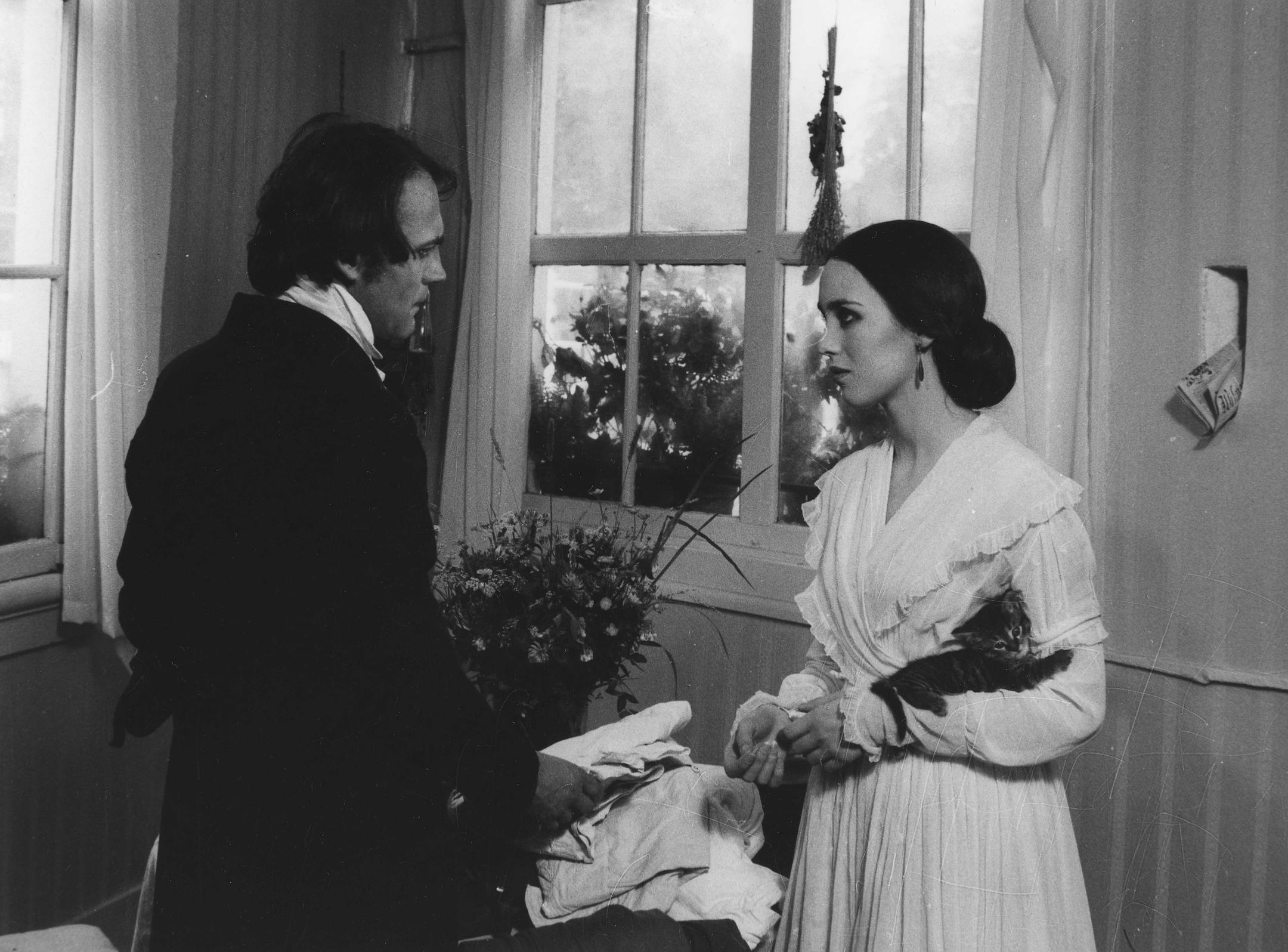
A still from Nosferatu: Phantom of the Night
In 1987, Herzog directed Cobra Verde, adapted from the novel The Viceroy of Ouidah. Set in the 19th century, Kinski portrays a cruel and cunning outlaw operating across South America and Africa. However, during the filming of this project, the tension between Kinski and Herzog reached its peak. This unpleasant creative experience led to the end of their collaboration.
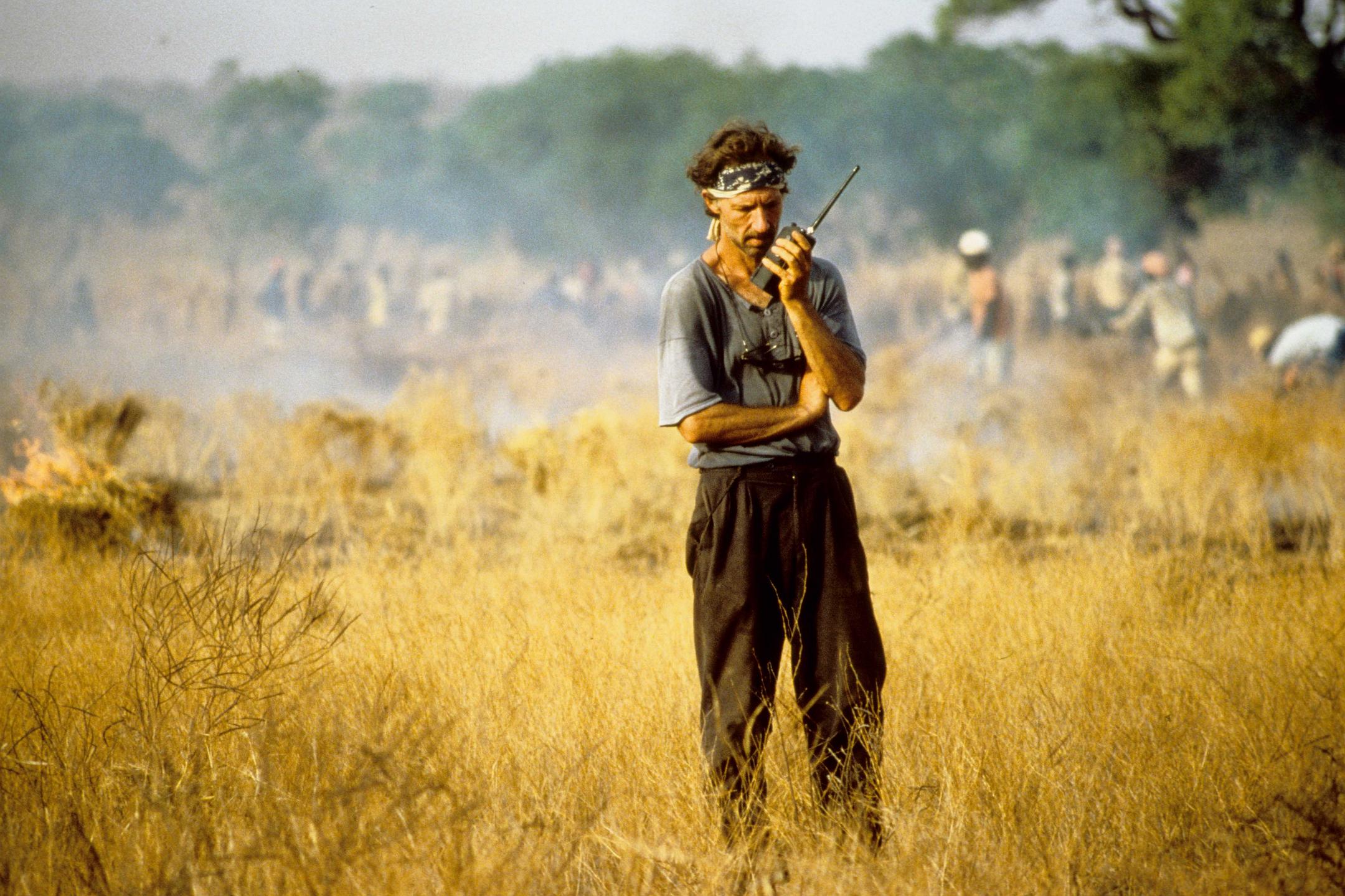
Behind-the-scenes photo from Cobra Verde
Beyond narrative filmmaking, Herzog ventured early into the realm of documentary, making outstanding contributions in both theory and practice. His published Minnesota Declaration reflects his stance on documentary filmmaking. He argues that behind objective facts lies a mysterious and elusive truth. Documentary creators must rely on their own profound understanding of the world and its people, along with imaginative treatment - even employing a degree of fabrication - to reach this "ecstatic truth".
Herzog's documentaries span diverse topics, encompassing the marginalized individuals he finds compelling, his personal relationships, and his enduring fascination with nature and untamed wilderness.
In 1971, he released Land of Silence and Darkness, a landmark early documentary focusing on the lives of the deaf-blind. For Herzog, this was a deeply personal film. One of the most poignant moments in the entire film is the scene at the end where Mr. Fleischmann walks away from the crowd to touch a tree. Following Kinski's death, Herzog directed the documentary My Best Friend in 1999, offering a comprehensive reflection on his collaboration with the actor.
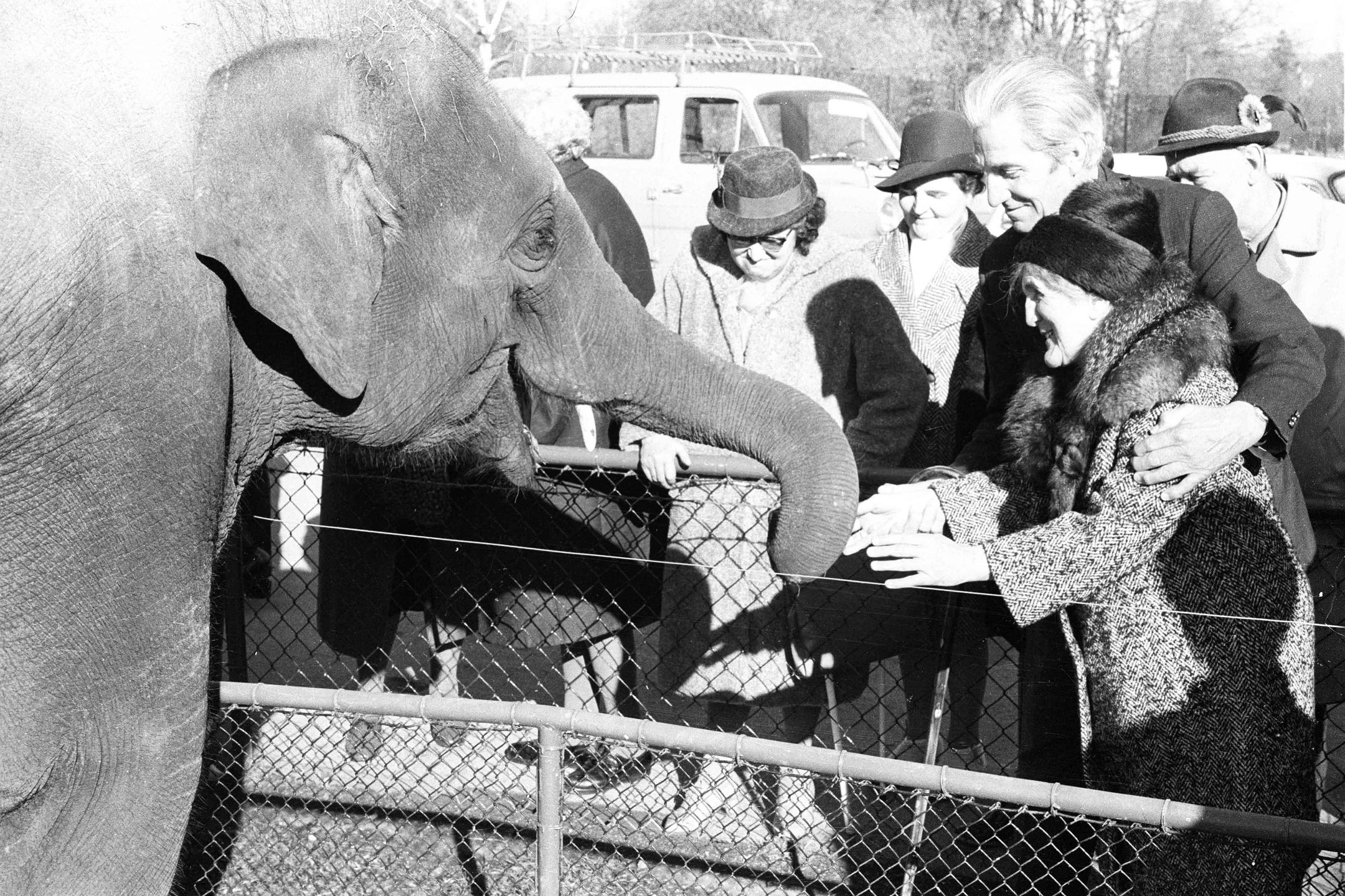
A still from Land of Silence and Darkness
In the 21st century, documentaries dominated Herzog's output. The profound works Grizzly Man and The Fire Within: A Requiem for Katia and Maurice Krafft utilize precious archival footage left behind by animal rights activist Timothy Treadwell and the "volcano couple" Katia and Maurice Krafft, respectively. These individuals, who chose to live alongside nature despite the dangers, ultimately sacrificed their lives to it.
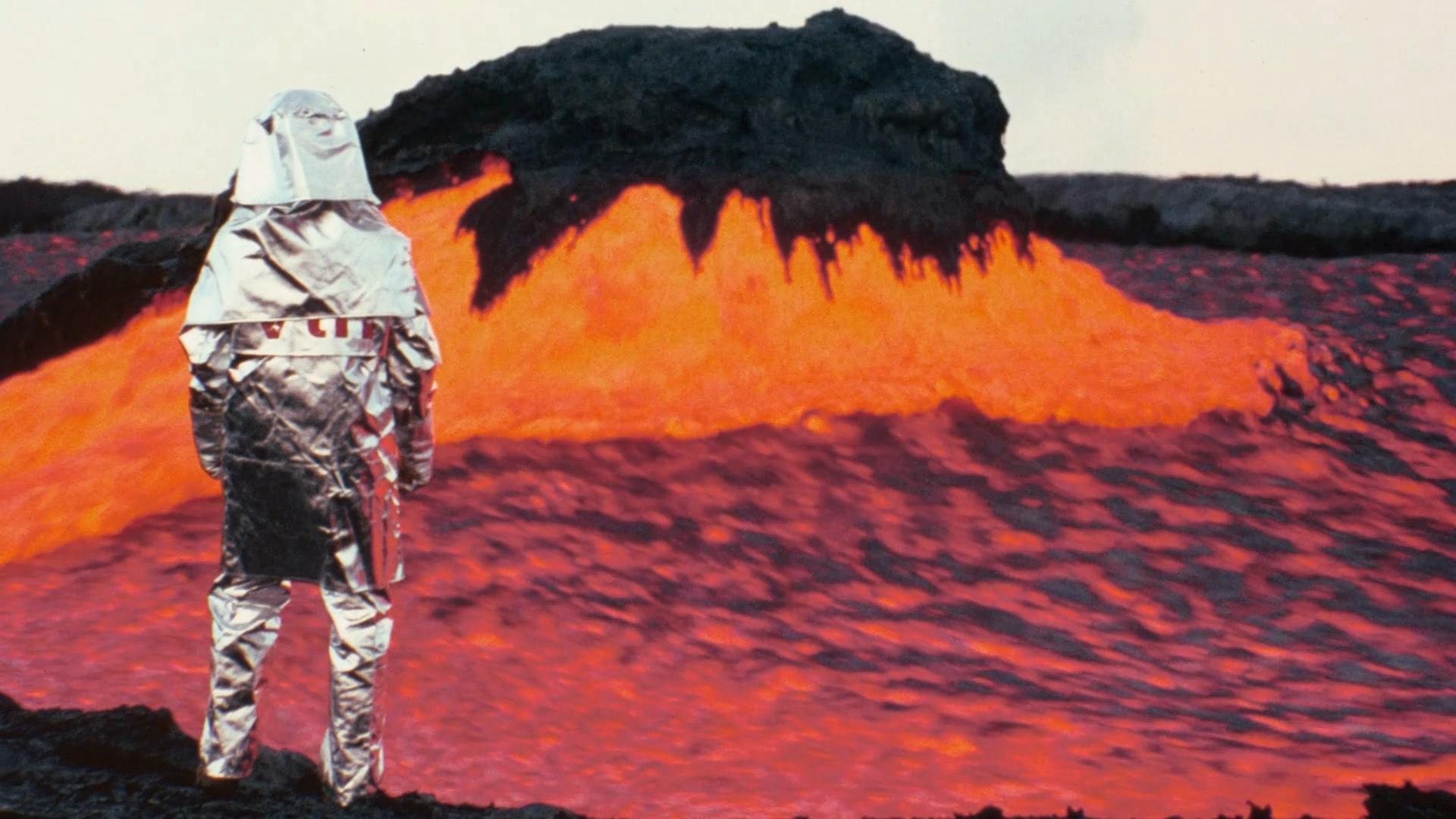
A still from The Fire Within: A Requiem for Katia and Maurice Krafft
In late August 2025, the Venice International Film Festival honored the 83-year-old Herzog with the Golden Lion for Lifetime Achievement. Soon after, his only memoir, Every Man for Himself and God Against All: A Memoir, was published in China under the title Soul Landscape. Still active on the frontlines of filmmaking today, he continues to push both his own limits and those of cinema itself, much like the "madmen" in his own films. For Herzog, only by mustering enough courage and engaging with real life and authentic nature can the flame of passion remain undiminished.
This "Retrospective: Werner Herzog" section is more than just a look back; it is an invitation: Herzog's cinematic world encourages us to become explorers who gaze into the abyss and journey into the unknown.
This spring, join us in Beijing for the world's premier films!
