

The Return of Hundred Flowers: Creating a Beijing Midsummer Movie Carnival
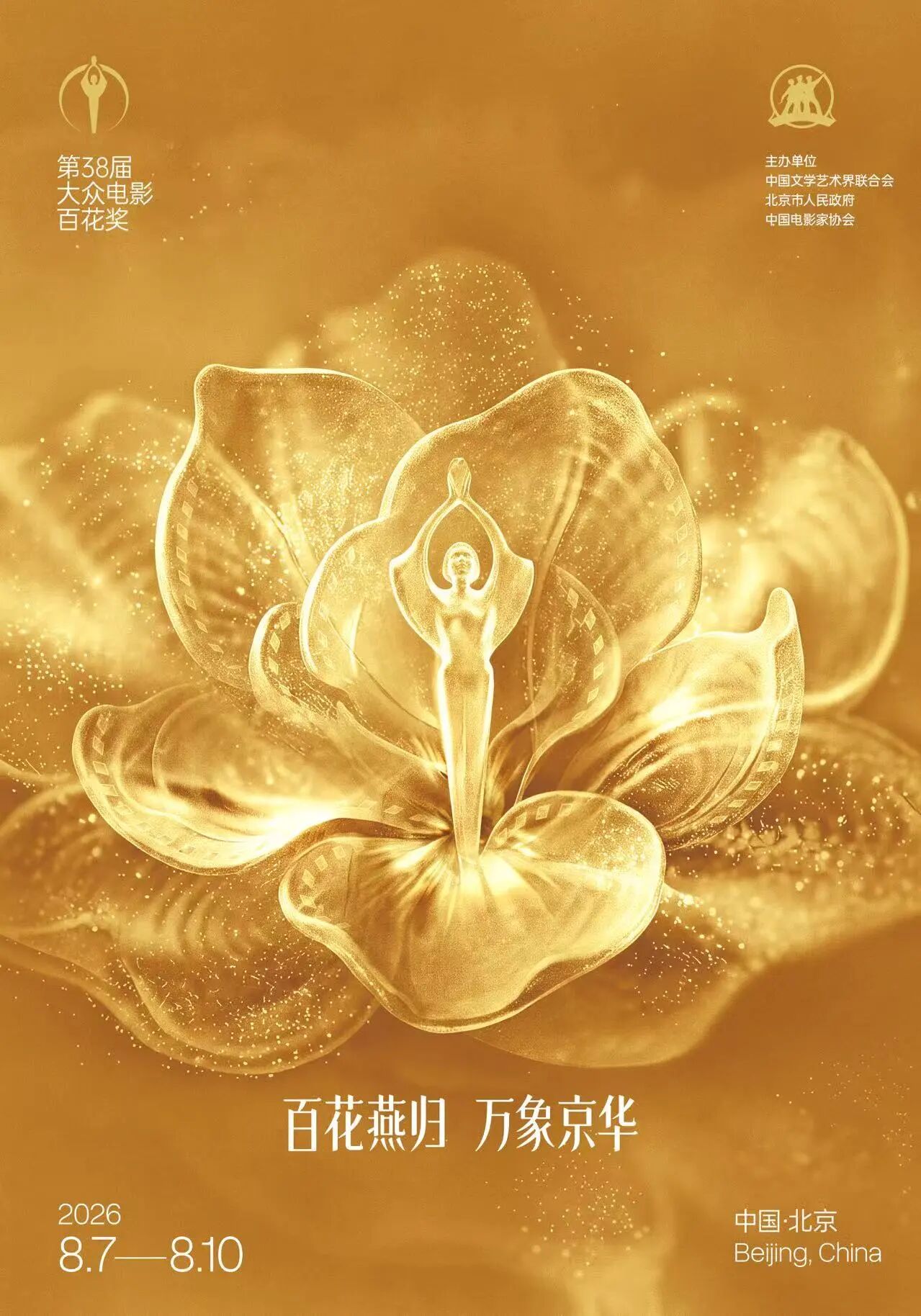
From August 7 to 10, the 38th Hundred Flowers Awards series activities will officially kick off in Beijing. As the nation's only city to host both the Beijing International Film Festival (BJIFF) and the People's Hundred Flowers Awards in the same year, Beijing has introduced the new cultural theme "Hundred Flowers Returning to Yanjing, A Majestic Capital of Myriad Scenes." This initiative upgrades the Hundred Flowers Awards from an industry-exclusive ceremony into an urban cultural gala that showcases the capital's unique charm and encourages widespread public participation, injecting steady and enduring Beijing momentum into the effort to build a culturally strong nation.
Coexisting for Over Six Decades: Light and Shadow Engrave the Era's Memories of the Capital
Beijing has always been the spiritual homeland of the Hundred Flowers Awards, having hosted its award ceremonies on multiple occasions throughout history. In 1961, under the initiative and support of Premier Zhou Enlai, the Popular Movies magazine began organizing a film award determined by audience voting; that same year, the Xinqiao Conference re-emphasized the "Double Hundred" policy (let a hundred flowers bloom, let a hundred schools of thought contend), laying the ideological foundation for the birth of the Hundred Flowers Awards. In 1962, the inaugural People's Hundred Flowers Awards ceremony was held at the Beijing CPPCC Auditorium, officially giving birth to New China's first film award entirely generated by public vote. "The people review, the audience decides" has remained the unchanging spiritual core of the Hundred Flowers Awards for over sixty years.
For over half a century, a wealth of award-winning classic films from the Hundred Flowers Awards have taken Beijing as their narrative core, sketching out the urban growth rings of different eras and forming a unique "Beijing-flavored Hundred Flowers film pedigree."
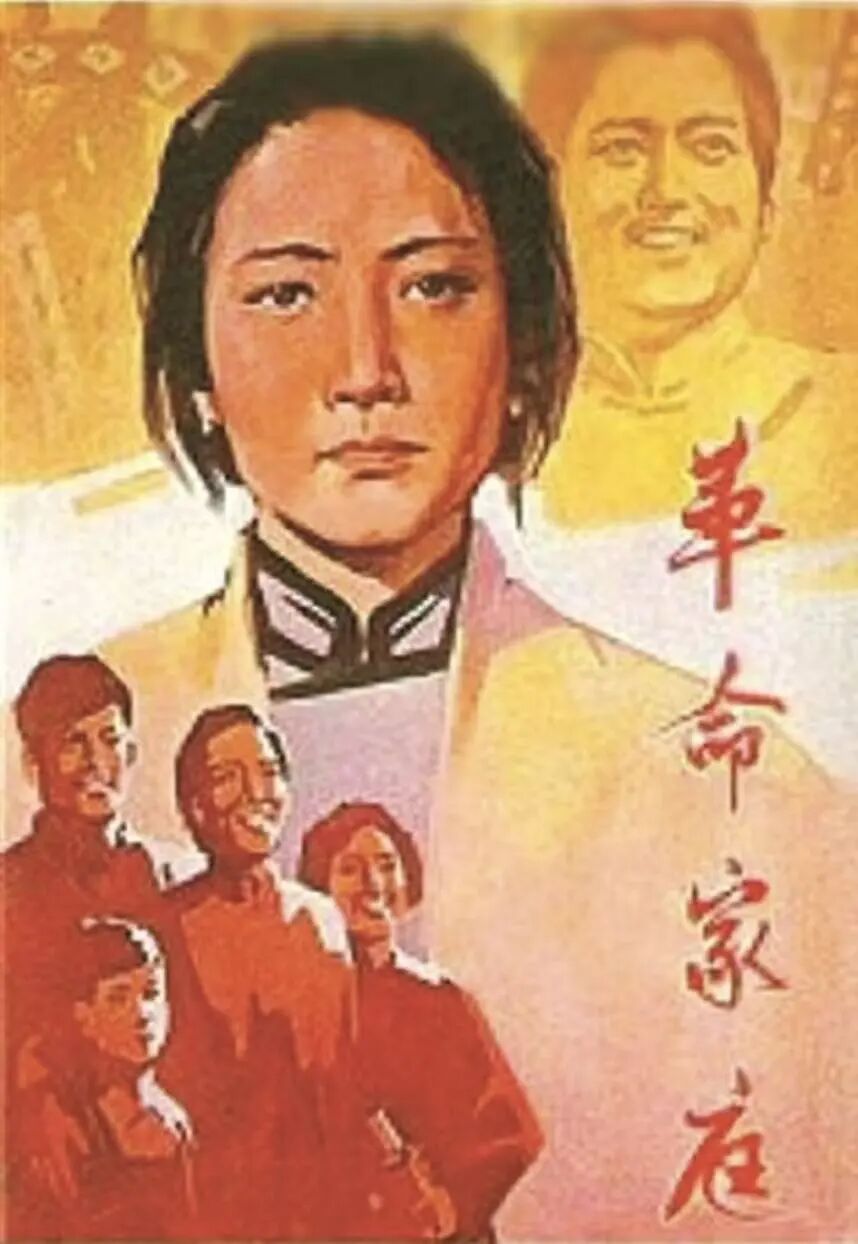
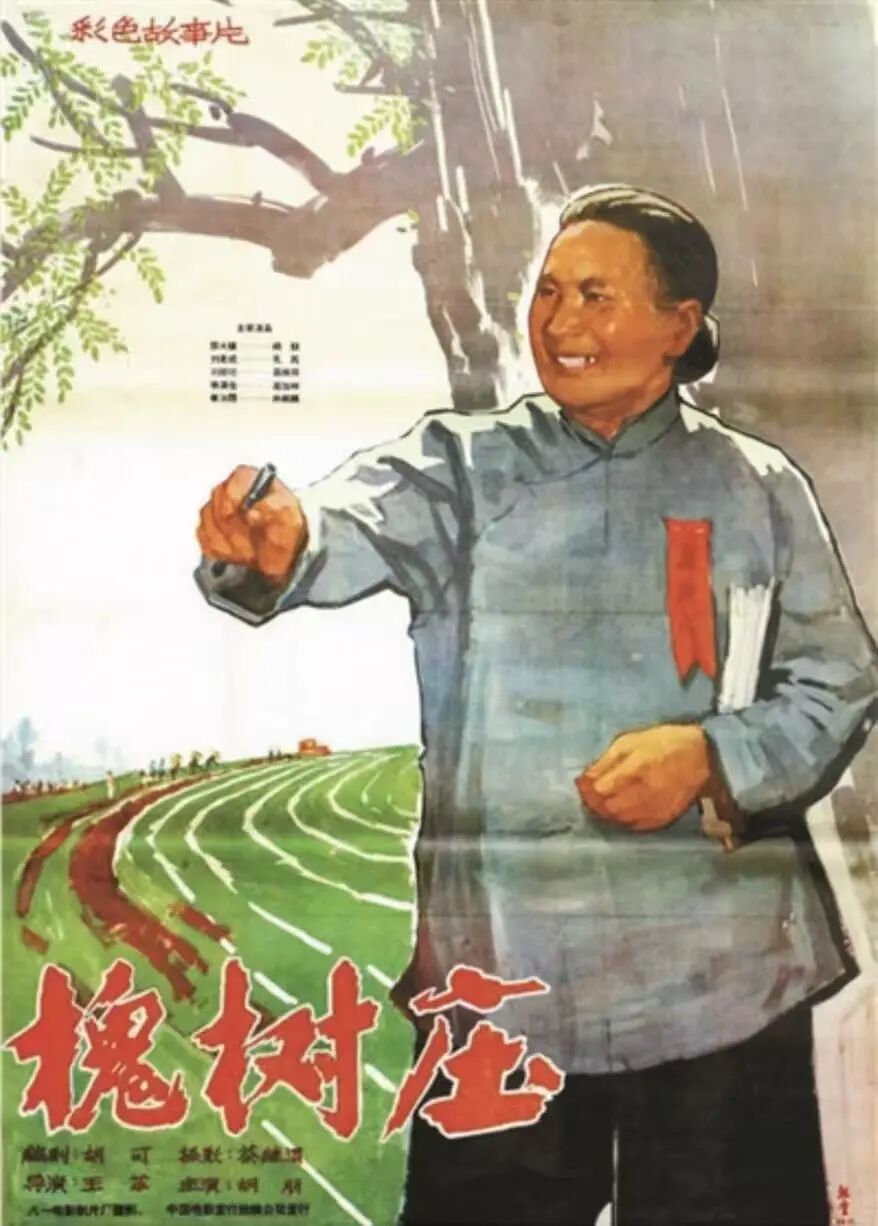
In the 1960s, the Beijing Film Studio underpinned the foundation of revolutionary cinematic narratives. The inaugural Hundred Flowers Award-winning film A Revolutionary Family unfolded much of its drama across the underground revolutionary alleys of Peiping, with Xia Yan and Shui Hua winning Best Screenplay; Keep the Red Flag Flying followed the peasant resistance and patriotic fervor of the Jizhong Plain as its main narrative thread, with Cui Wei portraying Zhu Laozhong to become the first-ever Best Actor winner at the Hundred Flowers Awards; Locust Tree Village was filmed in villages on the outskirts of Beijing, and director Wang Ping claimed the Best Director award at the 2nd ceremony with her North China rural imagery, allowing the creative strength of New China's female directors to blossom on the silver screen.
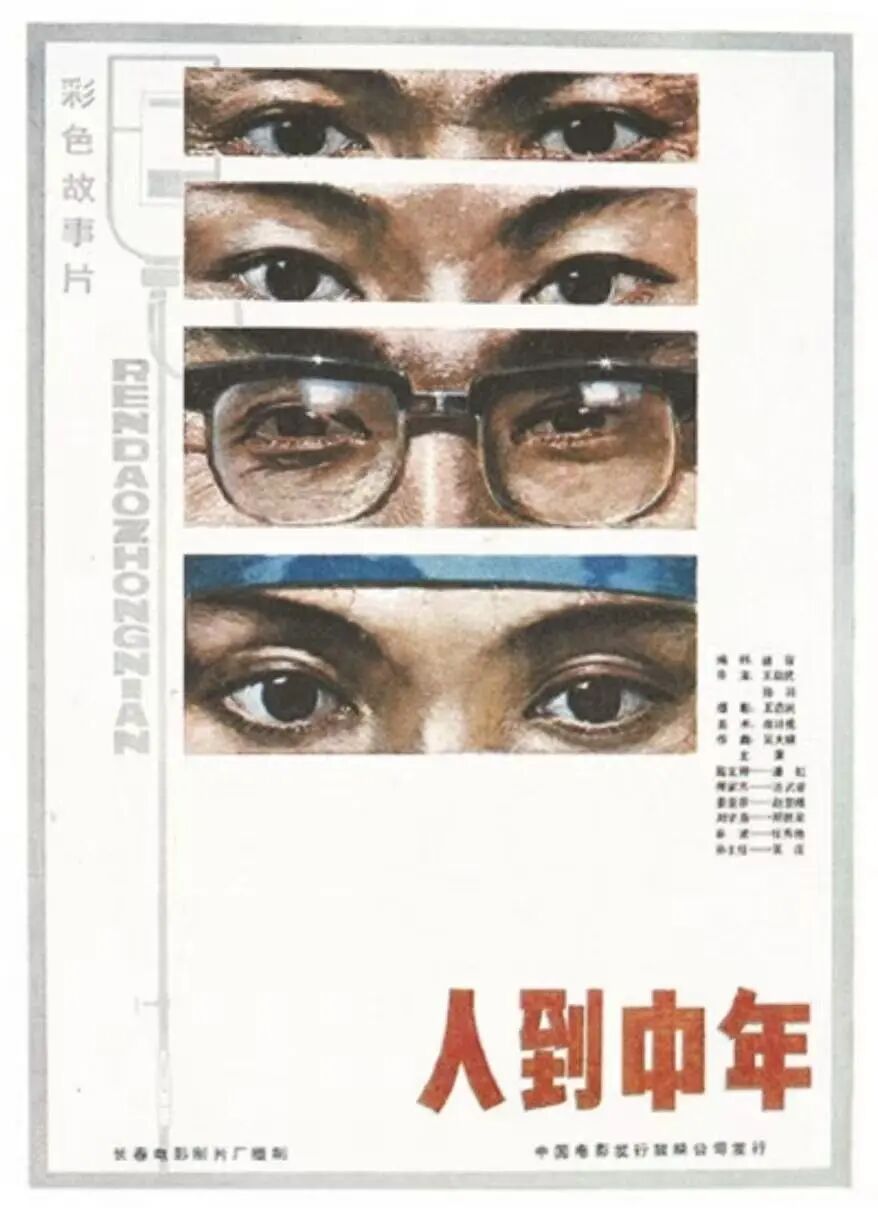
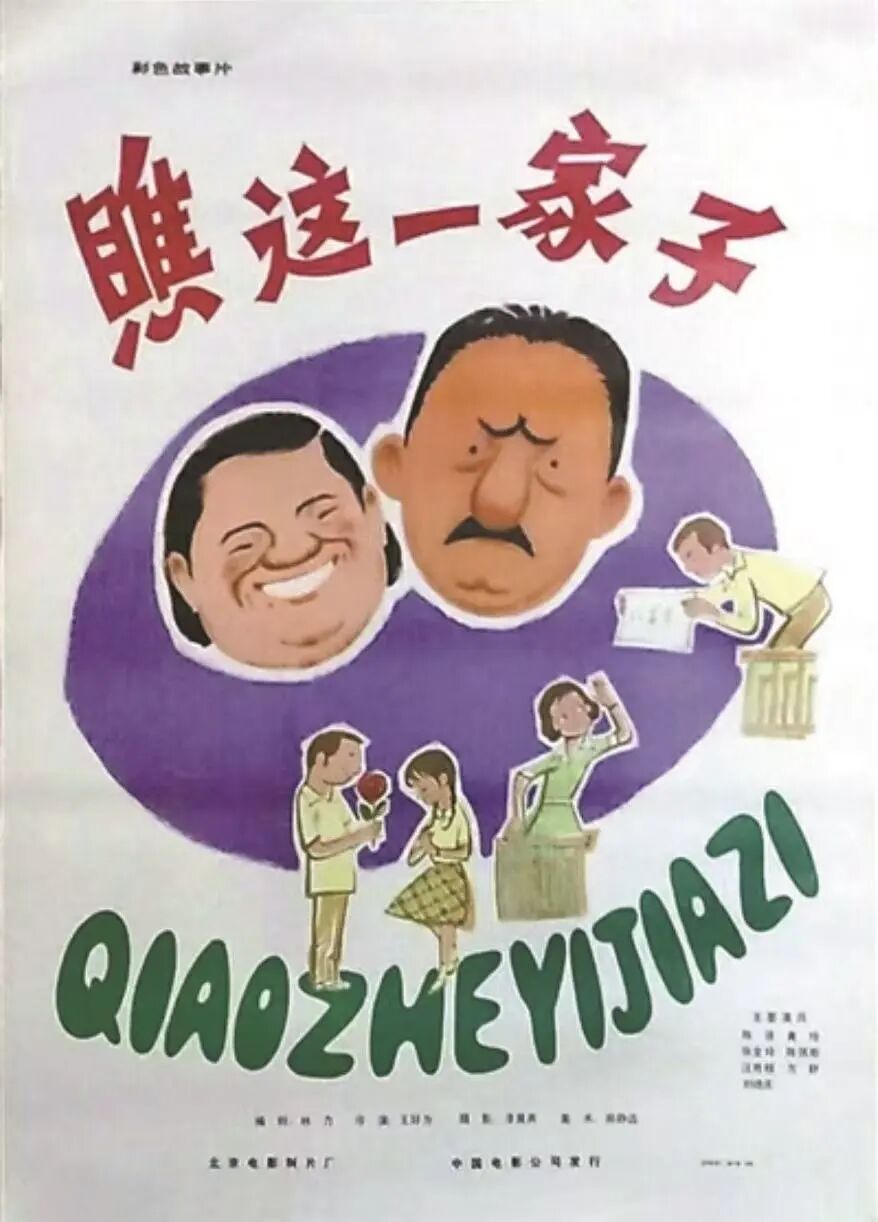
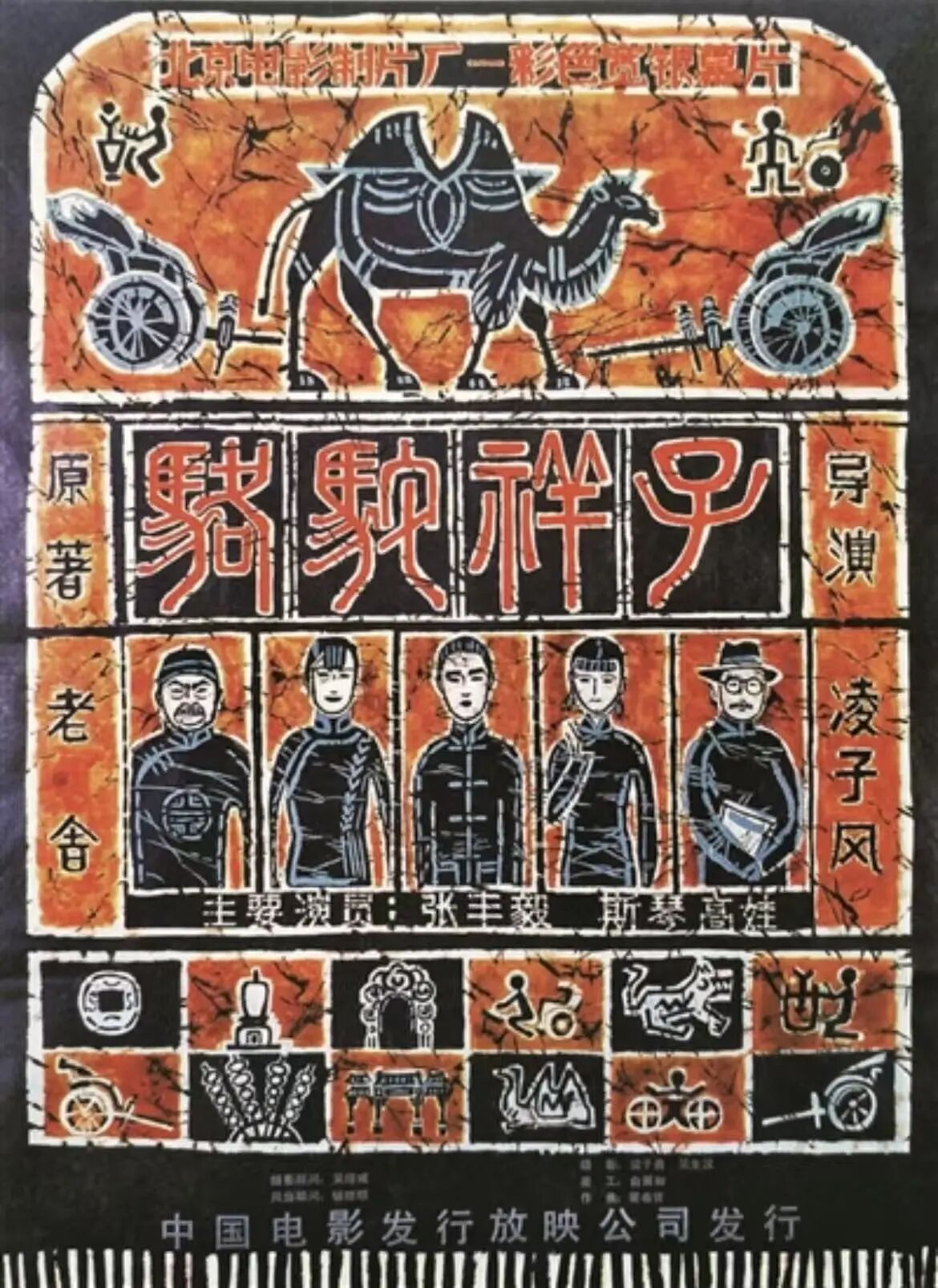
Amidst the tide of reform and opening up in the 1980s, the lives of ordinary Beijing citizens and intellectuals became the creative core of relevant films. Produced by Beijing Film Studio, The Little Flower won the Best Feature Film award at the 3rd ceremony, with Joan Chen claiming the Best Actress title for her portrayal of a rural young woman; What a Family was filmed entirely against the backdrop of Beijing's hutongs, factories, and campuses, and its authentic Beijing-style market life earned Liu Xiaoqing the Best Supporting Actress award; Rickshaw Boy utilized realistic techniques to recreate old Beijing landscapes such as Tianqiao and shared courtyard dwellings (dazayuan), with Siqin Gaowa portraying Huniu to win Best Actress at the 6th Hundred Flowers Awards; People at Their Middle Ages used Beijing hospitals and the quadrangle courtyards (siheyuan) where intellectuals struggled through hard times as its carrier, depicting the survival dilemmas of medical professionals in that era and becoming a benchmark work of realism; Chun Tao - A Woman For Two centers on ordinary folks in the lower rungs of Peiping society, with Jiang Wen and Liu Xiaoqing capturing the Best Actor and Best Actress awards at the 12th ceremony respectively.
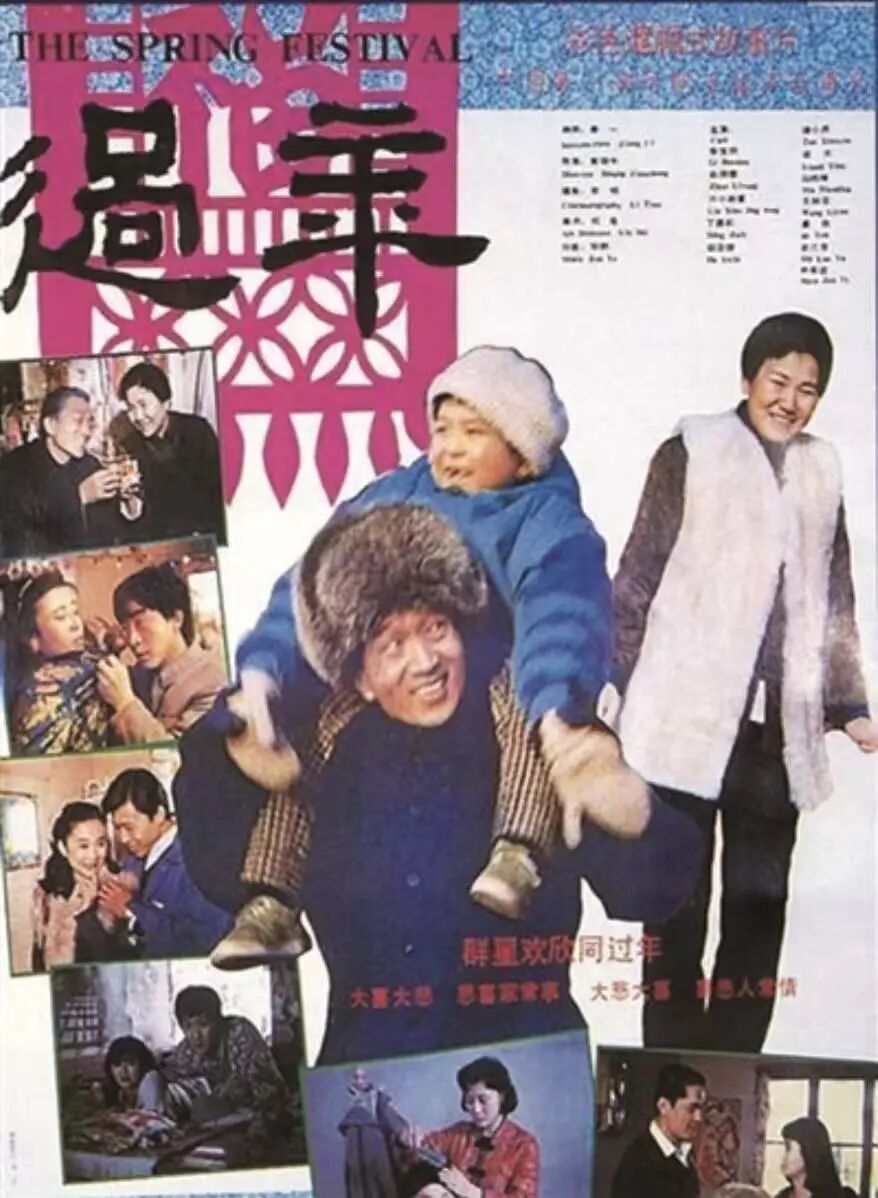
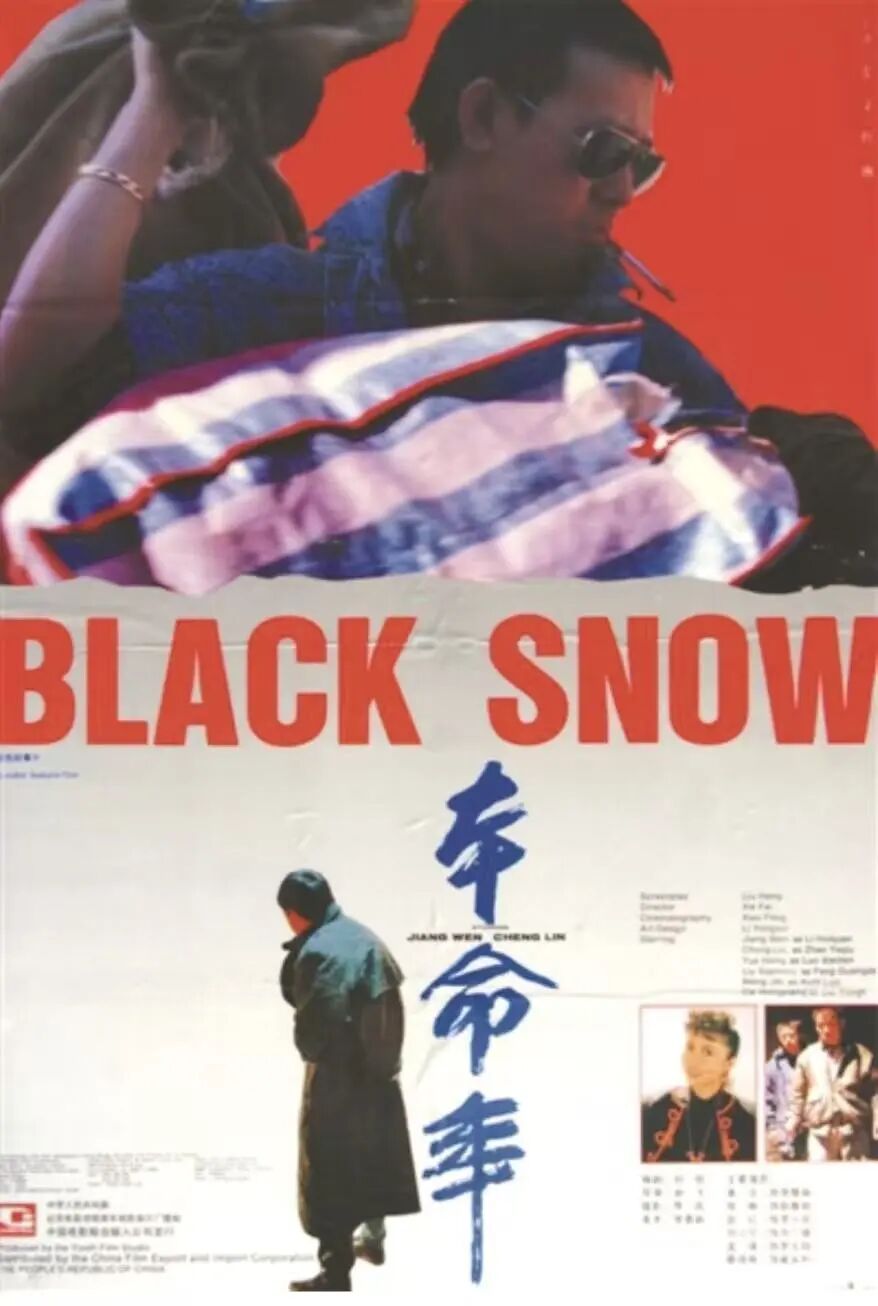
In the 1990s, Beijing-flavored commercial comedies and epic historical dramas advanced along dual tracks. Black Snow focused on Beijing hutong youths and won Best Feature Film at the 13th ceremony; The Birth of New China recreated the magnificent sights of Tiananmen and Zhongnanhai during the founding of New China, sweeping three major awards, including Best Feature Film, Best Actor, and Best Supporting Actor; The Spring Festival gained widespread acclaim with its ensemble portrait of a northern Chinese family during the Lunar New Year, with Zhao Lirong and Ge You winning Best Actress and Best Supporting Actor respectively; The Dream Factory ushered in the era of Beijing urban New Year comedies, with Ge You and Liu Bei claiming the Best Actor and Best Actress awards at the 21st ceremony, while hutongs, siheyuans, and office buildings constructed the preliminary urban light-and-shadow landscape; The Strangers in Beijing focused on the survival of intellectuals drifting in Beijing living in 1990s tube-shaped apartment buildings (tongzilou), earning Zhang Guoli the Hundred Flowers Best Actor award.
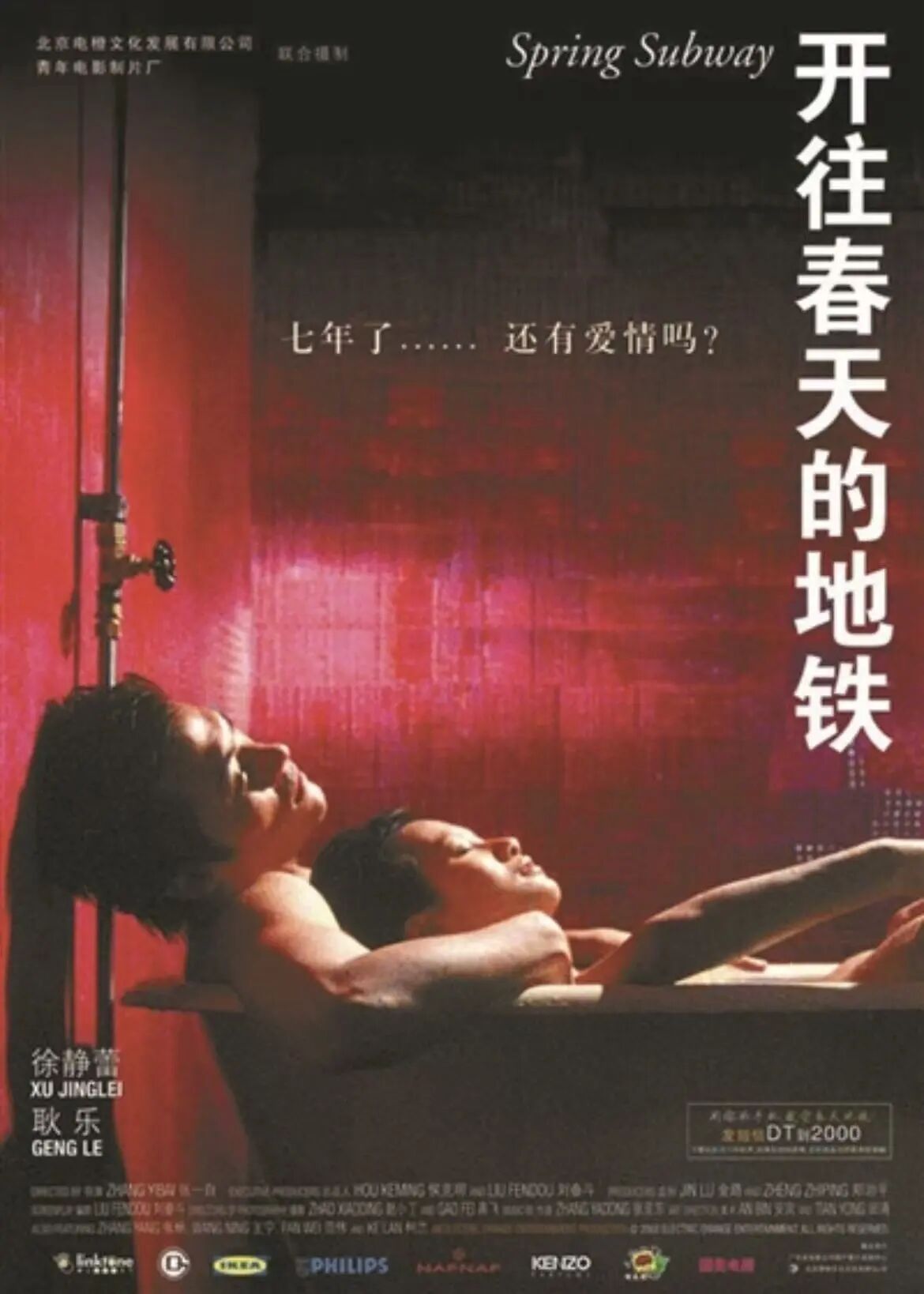
After 2000, Beijing's urban landscape in the new century continued to update. Spring Subway portrayed the wandering and romance of young people in Beijing, with Xu Jinglei winning the Hundred Flowers Best Actress award; Cell Phone dual-tracked the Beijing media circle and hutong families, with Ge You winning the Hundred Flowers Best Actor award for the third time, marking the successful commercial and mature transition of Beijing-flavored realistic comedies.
From revolutionary red narratives and rural landscapes to market families and urban drifters in Beijing, the capital has provided rich soil for the Hundred Flowers Awards to tell the stories of the times, while the awards have permanently engraved Beijing's urban memories into the history of Chinese cinema through public voting.
Beijing possesses a complete cultural system that supports the development of film, forming an irreplaceable urban heritage. In 2022, the China National Film Museum hosted the themed exhibition "Deep in the Hundred Flowers, in the Hearts of the People: 60 Years of the Hundred Flowers Awards," fully collecting and displaying trophies from past editions, vintage magazine covers, historical award ceremony photographs, and classic film reels from the Beijing Film Studio, preserving the complete historical lineage of the city's symbiosis with the awards. Institutions such as the China Film Archive, Beijing Film Academy, and Beijing Film Studio constitute a complete domestic system for film archives, professional training, and academic research, providing solid theoretical and talent support for the creative orientation of excellent films that emphasize "the affinity to the people" and "the spirit of the times".
This year's Hundred Flowers Awards has also specially compiled the thematic book Beijing and Chinese Cinema, mapping out Beijing's cinematic landscape and systematically reviewing the Hundred Flowers award-winning films, filmmakers, and the trajectory of urban light and shadow concerning Beijing over the past six decades, thus completing a systematic look back at the city's cinematic heritage through the medium of a book. This thematic book will be officially released during the Hundred Flowers Film Forum.
Linkage of Two Major Events Consolidates the Functional Positioning of the National Cultural Center
The landing of the Hundred Flowers Awards in Beijing is a concentrated testament to the comprehensive strength of the capital's film industry. As the nation's center for film production, markets, technology, and talent, Beijing fully covers the entire chain of creation, filming, distribution, screening, and cultural-tourism integration, providing comprehensive industrial support for national-level film events.
Beijing is the core source of film content creation nationwide. In 2025, Beijing registered a total of 669 film projects for filing and approval, accounting for 25% of the national total; the actual production reached 205 films, with its annual film output scale leading the nation for a long time; and the cumulative box office revenue of Beijing-produced films exceeded 12 billion yuan, making up 29% of the total box office for domestic films that year. In 2025, a total of 14 Beijing-produced films surpassed 100 million yuan at the box office, accounting for 42.42% of the 33 domestic films nationwide that crossed the 100-million-yuan mark. Among them, 4 works ranked among the top ten domestic annual box office hits, showing a balanced development across diverse genres such as mainstream melodies, realism, suspense, and animation.
From classic realist works such as The Little Flower and Rickshaw Boy, to Beijing-flavored commercial comedies like The Dream Factory and Cell Phone, and further to Hundred Flowers Award-winning mainstream blockbusters such as The Founding of a Republic and My People, My Country, Beijing continuously produces films that boast both widespread public acclaim and market popularity, perfectly aligning with the Hundred Flowers Awards' selection criteria of being "beloved by audiences and recognized by the market."
Beijing also features a film-viewing network covering both urban and rural areas. According to the 2025 Beijing Film Industry Research Report, Beijing's box office revenue in 2025 reached 2.376 billion yuan, a year-on-year increase of 13.68%, ranking second among cities nationwide; moviegoer visits totaled 45.8871 million, up 13.97% year-on-year; registered cinemas numbered 357, an increase of 7.53% year-on-year; and screen counts reached 2,522, up 5.61% year-on-year, covering all areas including the six central districts, the sub-administrative center, and outer suburbs; the city has built over 3,000 fixed urban and rural public welfare film screening sites, constructing a three-tier screening system comprising "commercial cinemas + open-air screenings + rural public welfare screenings."
This year's Hundred Flowers Awards will be accompanied by the "Hundred Flowers Film Screenings," linking 13 commercial cinemas and 10 open-air screening locations across commercial districts citywide to rotate over 70 classic award-winning films from past editions. Solana, Longfu Temple, and the 798 Art District will add late-night extended screening sessions, inviting core creators to attend offline sharing sessions; more than 3,000 public welfare screening sites across the city will simultaneously launch public welfare screenings of Hundred Flowers award-winning films, truly realizing a "film festival right at your doorstep." The comprehensive screening network allows the "affinity to the people" of the Hundred Flowers Awards to take root in every corner of the city.
In 2026, Beijing established a dual-linked pattern featuring two major film events - the BJIFF and the Hundred Flowers Awards - jointly creating a year-round, uninterrupted cinematic cultural atmosphere in the capital and continuously consolidating its functional positioning as the national cultural center. Huo Zhijing, Director of the Beijing Municipal Film Administration, stated at the press conference for the Hundred Flowers Awards that this year marks the 70th anniversary of the proposal of the "Double Hundred" policy, and the return of the Hundred Flowers Awards to its birthplace is a landmark practice for the capital in implementing Xi Jinping Thought on Culture and practicing the people-centered literary and artistic orientation; furthermore, the entire organizing team of the BJIFF has been deployed wholesale into the preparations for the Hundred Flowers Awards, enabling resource sharing and experiential exchange between the two major events to forge a brand-new benchmark for national-level mass film awards with the highest standards of excellence.
Accessible to All: Public Welfare Subsidies Precisely Stimulate the Summer Film Market
The biggest breakthrough of this year's Hundred Flowers Awards is that it completely breaks away from the single model of traditional award galas, extending the awards ceremony into a citywide, all-inclusive summer light-and-shadow carnival. This practice upholds the people-centered stance that the Hundred Flowers Awards have adhered to for over sixty years, constructing a complete scenario for new mass literature and art in the new era.
The core events of this year's Hundred Flowers Awards are distributed across Beijing's iconic cultural, sports, and artistic spaces, allowing film to blend into the city's daily landscape. The opening ceremony will take place at the Sun Park Shell Theater, marking the first time in the over sixty-year history of the Hundred Flowers Awards that it is held in an open-air, open format. On August 10, the closing & awards ceremony will be held at the National Speed Skating Oval, known as the "Ice Ribbon," accommodating tens of thousands of spectators and film delegates to gather together. The closing ceremony will create an immersive stage blockbuster, integrating diverse narrative forms, inviting past Hundred Flowers award-winning filmmakers to walk the "Hundred Flowers Road" together, and take a "family portrait" of Chinese cinema spanning over sixty years. The Hundred Flowers Film Forum has specially established an audience open-mic session, allowing moviegoers to engage in dialogues on the same stage with industry experts, further breaking down the barriers between the industry and the audience and truly realizing public voice.
This year's Hundred Flowers Awards deeply implements the core planning of "Follow the Film to Travel, Follow the Film to Savor Cuisine, and Follow the Film to the Market," linking multiple districts including Dongcheng, Xicheng, Chaoyang, Haidian, and Tongzhou. By leveraging the "ticket stub economy" to stimulate citywide consumption, it builds an integrated, immersive experience combining film, cultural tourism, dining, and markets, meticulously crafting the "Splendid Hundred Flowers, Blooming Citywide - 2026 Beijing Midsummer Movie Carnival" to deeply explore the innovative possibilities and development potential of "Film Plus".
In response to the strategic deployment of the China Film Administration for the "2026 Film Economy Promotion Year," Beijing has launched the "Hundred Flowers Public Benefit Screening Week" and the "Hundred Flowers Double Benefits Week," releasing a total of 20 million yuan in film-viewing subsidies that cover all screenings in the Hundred Flowers Film Screenings and daily scheduling across commercial theater lines throughout the city. During the 2026 summer season, nearly 80 new films will be released collectively, and these public welfare subsidies will precisely stimulate the summer film market, delivering cultural benefits to the public.
Focus:
Developing New Quality Productive Forces in Film and Television: Three Major Recommendation Sections Added
For the first time, this year's Hundred Flowers Awards has added three forward-looking supporting recommendation sections, focusing on young filmmakers, AI film and television creation, and boutique short dramas. Taking the awards as an opportunity, it aims to tap into brand-new growth momentum for China's film industry and showcase Beijing's leading position in film and television technological innovation and new audiovisual content sectors.
The Douyin Future Directors Support Program takes "New Forces in Youth Imagery" as its core concept, soliciting short film entries across the entire internet. Combining audience popularity voting with dual-dimension evaluation by industry experts, it establishes a complete closed loop of "short film submission - offline film screening- filmmaker industry communication - industrial resource matching." Relying on Douyin's full-domain traffic advantages, it provides young creators with full-chain support including exposure, incubation, and project investment, continuously cultivating young creative talent for domestic cinema and strengthening the talent foundation of Beijing's film industry.
The AIGC Excellence Selection Section takes "A New Era of Hundred Flowers Blooming, AI Co-Creating New Imagery" as its philosophy, open to creators across the entire Internet and encouraging the use of various AIGC tools to create short films and visual works. The jury brings together AI technical experts, veteran film and television directors, and cutting-edge creators to intensively discuss the revolutionary reshaping of artificial intelligence across the entire process of film and television scripting, shooting, post-production, and promotion and distribution.
The Short Drama Awards Ceremony is guided by the principles of "high quality, professionalization, and positive orientation," reviewing the year's premium short drama works, building a communication and cooperation platform for short drama creators, platforms, and investors, sorting out positive creative standards, guiding the short drama industry to break away from traffic-driven chaos, deeply cultivating realism and positive energy content, and constructing a creative pattern of multi-dimensional symbiosis among feature films, short films, short dramas, and AI imagery.
The three newly added sections make the 38th Hundred Flowers Awards no longer just an award ceremony for traditional theatrical films, but a comprehensive audiovisual industry exchange platform covering feature films, short films, AI, and youth creation. It gives full play to Beijing's agglomeration advantages in Internet platforms, film and television technology, and content creation, driving forward-looking industrial layout with the grand event and building a national source of film and television innovation.
At the beginning of the 15th Five-Year Plan period, the Hundred Flowers Awards' return to its birthplace carries special weight for the times. Domestic cinema is moving toward a new stage of high-quality development, and Beijing will also leverage its multi-dimensional advantages in creative momentum, market vitality, technological support, talent aggregation, and cultural-tourism integration to complete a triple expression through this nationwide grand event - looking back at the original aspiration of people's cinema, activating urban cultural consumption, and laying out the track for film and television innovation, thereby writing the "Beijing Answer" of the new era for promoting the high-quality development of Chinese cinema and building a leading film nation.
By Xiao Yang, Beijing Youth Daily
