


Project Pitches Training Camp Commences! Screenwriting Mentor Chen Shu: Characters Are the Gateway to Storytelling
The Project Pitches Training Camp of the 16th Beijing International Film Festival (BJIFF) has officially kicked off. On January 18, the Project Pitches Training Camp entered its mentorship lecture phase. The first mentor session focused on the cornerstone of film and television creation - screenwriting, and was delivered by seasoned screenwriter Chen Shu. With representative works such as the Brotherhood of Blades series and A Writer's Odyssey, she has established a distinct personal style and creative identity within the industry. Her work consistently seeks a delicate balance between genre storytelling and auteurist expression: in the Brotherhood of Blades series, she reconstructs the martial arts world with tense strokes, delving deeply into the plight of characters caught between their era and destiny; while in A Writer's Odyssey, she boldly constructs a parallel narrative intertwining reality and fantasy, expanding the textual depth and imaginative scope of genre cinema.
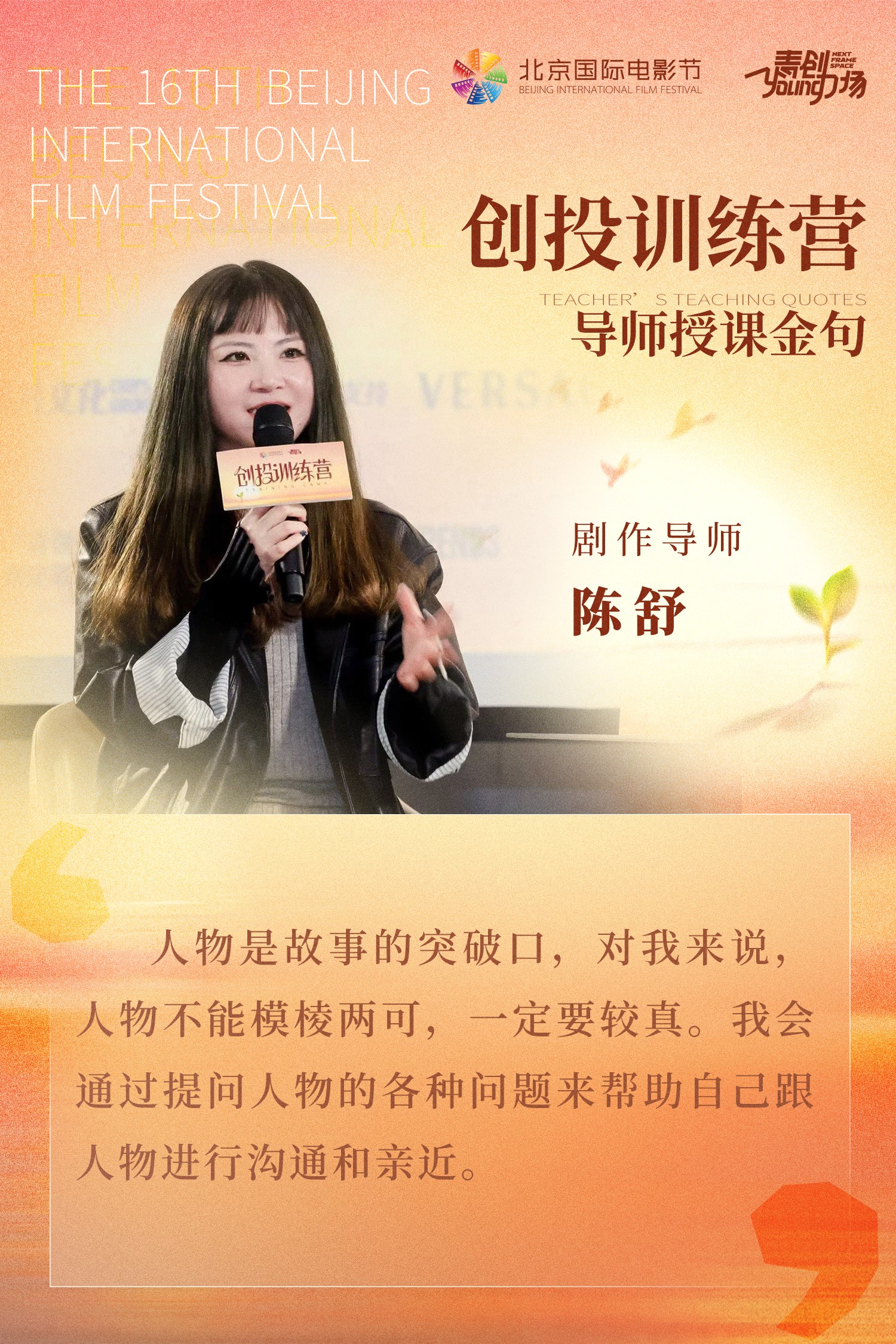
The classroom exchange session focused on questions previously submitted by the trainees, with the host introducing them one by one. Drawing from her own creative practice, Mentor Chen Shu provided an in-depth analysis of screenplay writing methodology. She integrated insights into industry dynamics and market demands, delving into the practical challenges faced by young creators and exploring potential pathways for breakthroughs. The discussion ultimately focused on key practical aspects of short film creation. Mentor Chen Shu offered concrete yet profound annotations and guidance for each session. Here are highlights from this exchange session:
Screenwriting: Rejecting Insularity, Expanding Outward
All creative origins stem from oneself, yet personal experiences are often limited. "If personal creative experience is likened to a small golden sphere, creators should - driven by diligence and curiosity - continuously observe the external world through reading, film-watching, and other means, allowing their 'halo' to expand steadily." Mentor Chen Shu believes that the current creative environment provides creators with a variety of social engagement opportunities, and that emerging mediums such as short-form video platforms can help creators open up, absorb information, and spark creative inspiration.
Character Development: Repeated Refinement, Aligning with the Market
"Before outlining a script, I spend more time exploring the characters." Mentor Chen Shu is particularly meticulous about character development, viewing it as the gateway to storytelling. She refines her characters by repeatedly examining and adjusting their various traits. While writing the TV series The Hope, Mentor Chen Shu conducted nearly a year and a half of field research, shaping several representative student roles through extensive interviews and investigation. She candidly shared that her preference for character types is constantly evolving: "At this stage, I find obsessive and proactive characters especially compelling."
The Art of Balance: Commercial Genre and Personal Expression
Both Brotherhood of Blades and A Writer's Odyssey successfully blend strong genre conventions with a distinct authorial style. Mentor Chen Shu believes the key to balancing genre appeal and personal expression lies in finding one's unique narrative within the constraints of genre frameworks. "What is my relationship with the story?" is a question every creator must ask themselves. Only by expressing reflections on the contemporary world through storytelling can a work truly resonate with audiences.
In response to current industry trends - where audiences expect to "gain a sense of value from lighthearted viewing" and investors demand "quotable lines" for promotional purposes - Mentor Chen Shu shared that she is actively reflecting on and adjusting her approach.
During the Q&A session, trainees enthusiastically asked questions, and Mentor Chen Shu responded to each one with openness and depth.
Q1: How should a producer effectively intervene during the script stage? Should they actively help the director make decisions, or should they raise structural questions?
Chen Shu: The premise of this question is that the producer must possess a keen judgment of scripts. Some producers may excel at investment, financing, and assembling teams; others may lean more toward hands-on project execution; while some may be particularly skilled in the early-stage incubation and development of stories. It is rare to find producers who comprehensively possess all three abilities - such individuals are not common in the industry. Producers serve as a bridge between investors and creators. Sometimes, creators aren't always the best at dealing with financial and production stakeholders - they tend to get pretty subjective and focused on their own vision. Producers serve as that crucial bridge between investors and creators, helping to protect the artist's original intent while also providing those necessary reality checks from a market perspective. I've been really fortunate to collaborate with producers who've done a great job safeguarding my creative process.
Q2: How to balance authenticity and fictionality in character creation?
Chen Shu: I think real-life people can be just as captivating and full of drama as any fictional character. In my interactions, I've discovered that the most striking individuals often surpass anything I could have imagined. So, when drawing material for your creations, don't restrict yourself to just one person - feel free to combine traits from multiple people to craft a single, rich character. On top of that, screenplay writing involves a lot of honest introspection. When you hit a snag in developing a character, it's useful to turn inward, pull from your own experiences, and essentially start a dialogue with that character to flesh them out.
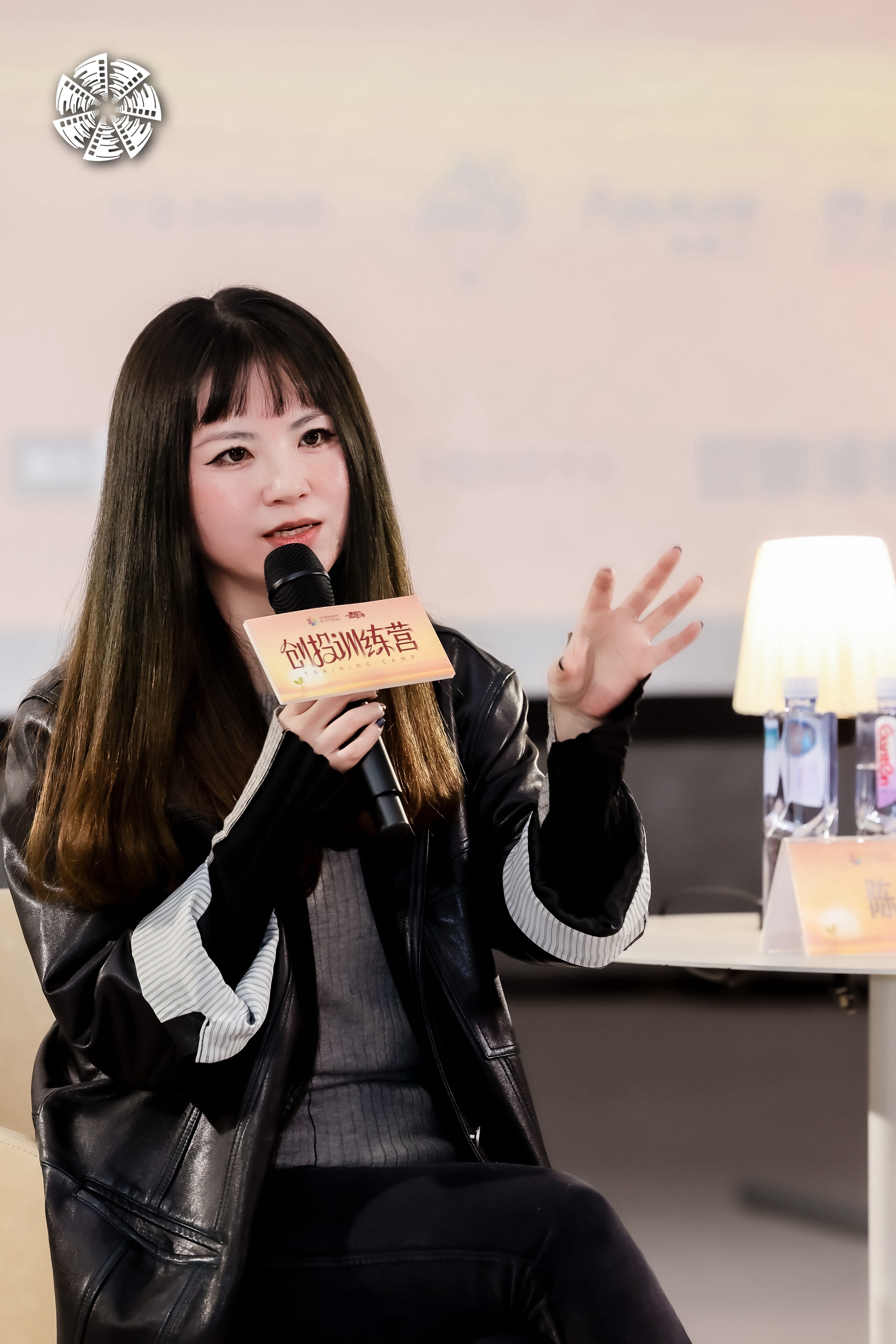
Q3: How does the creative approach for short films differ from that of feature films?
Chen Shu: There isn't really a fundamental difference. Whether it's a 15-minute short or a two-hour feature, both need to work as complete, standalone stories. When I watch a short film, I always zero in on how the ending wraps up. Shorts call for extreme conciseness, so efficiency in storytelling is everything. Unlike features, which have more space to build out characters, short films rely heavily on things like dialogue, flashbacks, and other tricks to get the audience hooked fast - building up expectations, curiosity, and genuine investment in the protagonist in that tight window.
Q4: In today's market, can a good story alone drive commercial success and achieve high box office returns?
Chen Shu: Recent hits like Nobody prove that a strong story can still pull in serious box office success, showing that compelling narratives will always connect with audiences. That said, the market's bar has gotten a lot higher. Ten, fifteen, or twenty years ago in the film world, a story that was maybe a 6 out of 10 could become a massive hit. These days, a 6 just won't cut it - you need to aim for at least a 7.8 or 8 to have a shot at real success.
Q5: When watching a movie, do audiences want to see themselves or something new?
Chen Shu: Audiences tend to fall into two main groups when watching movies. The first is what you'd call "seeking self-reflection" - they want to see their own desires and anxieties mirrored on screen, and really empathize with the ups and downs of everyday folks. The second is more about "checking out other worlds" - for example, if my life feels pretty ordinary, can the film let me escape and dream? I crave glimpsing people I'd never run into in real life or diving into experiences that are totally out of my usual orbit. No matter which camp they're in, the real magic happens when you strike an emotional chord with the audience.
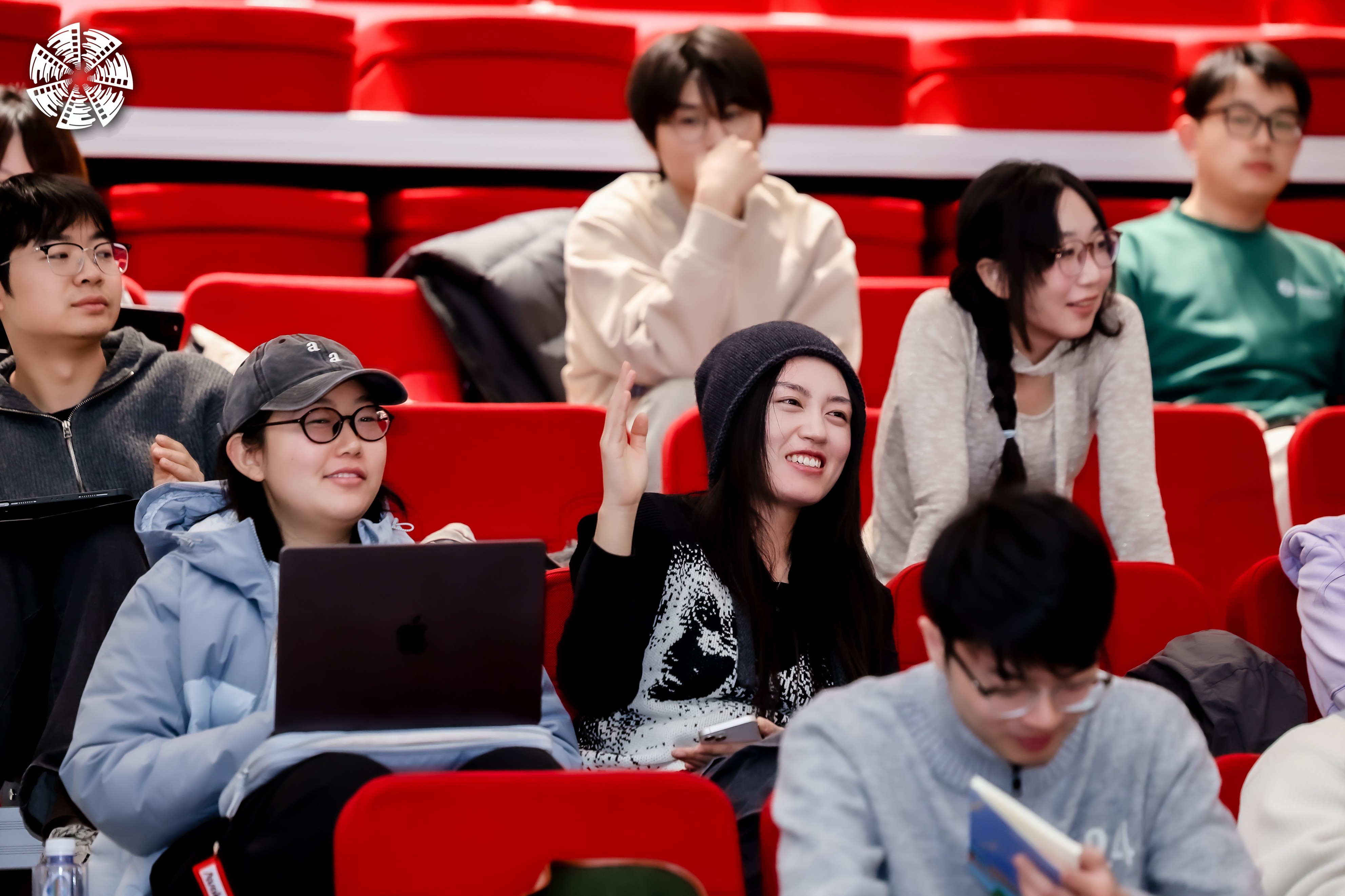
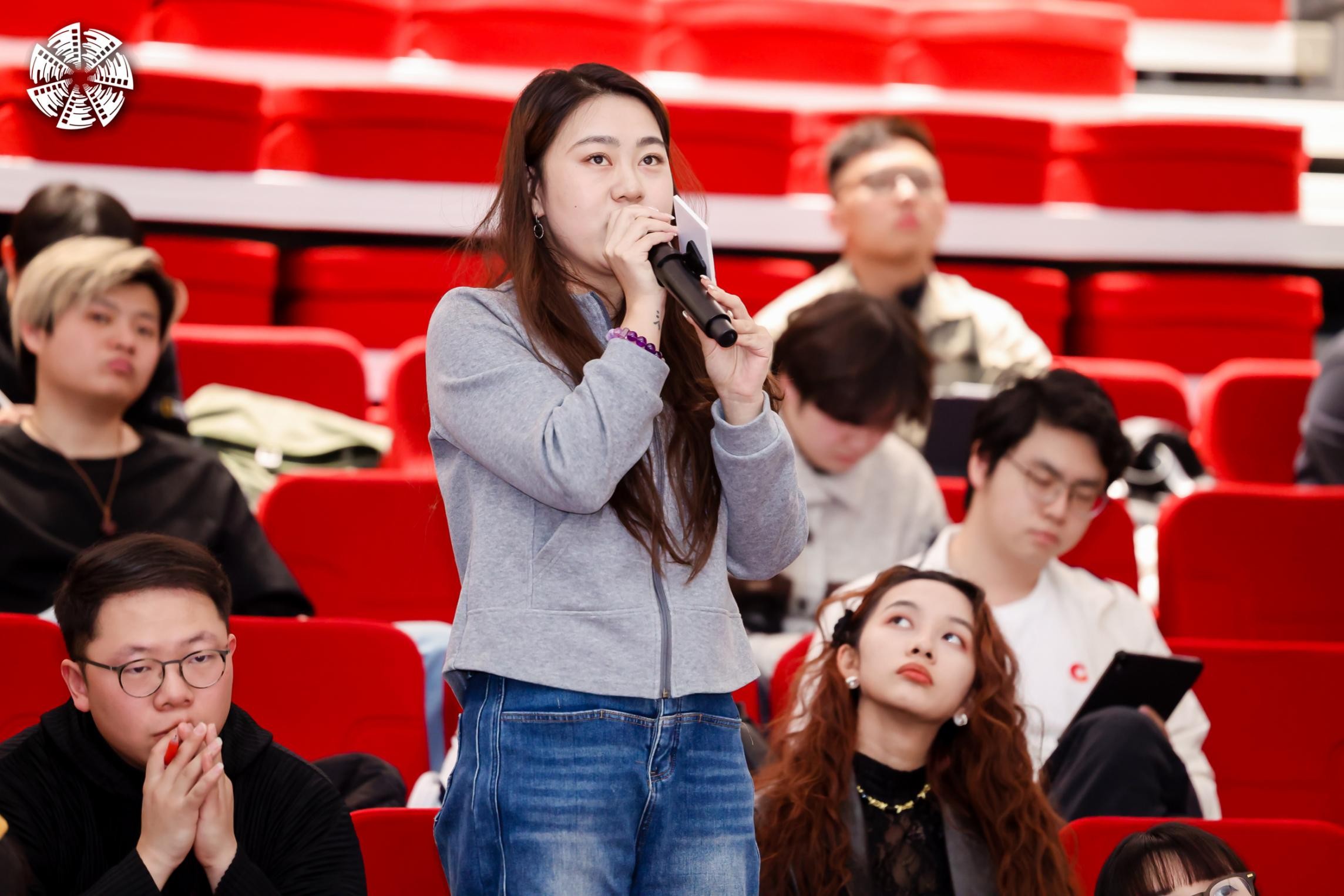
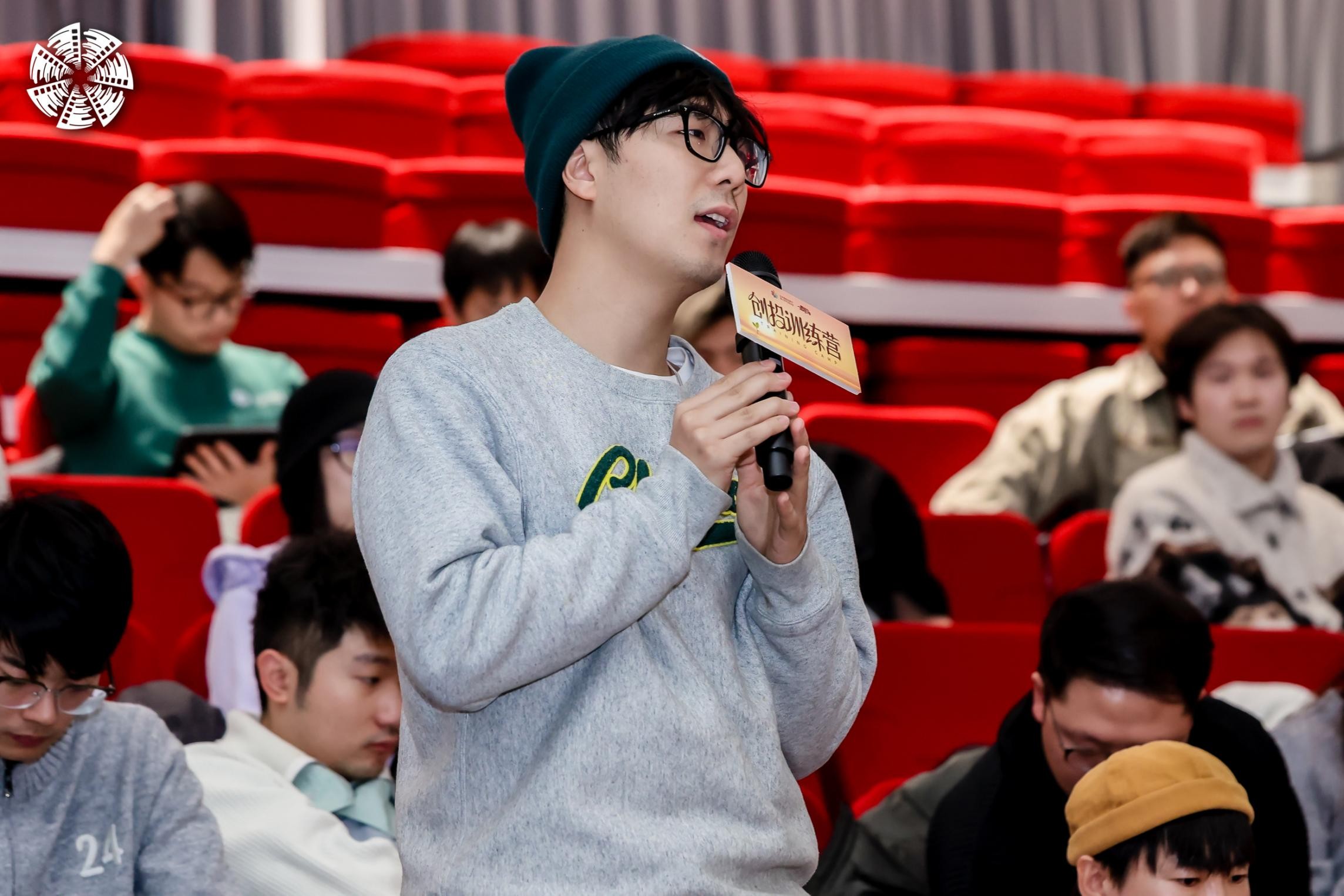
Trainees actively posed questions on-site
Q6: As a creator who is not a professional screenwriter, how can one transform fragmented ideas into a complete story?
Chen Shu: Professional writers or screenwriters like us see and build worlds through a unique lens. If you have creative ideas, consider communicating with professional screenwriters to help you organize and complete your story from a different perspective.
Q7: What are your thoughts on the growth paths for emerging screenwriters and directors today?
Chen Shu: If you're not under major financial strains and can dive headfirst into your creative work, one solid way forward is to jump into project pitching platforms. There are tons of them out there these days, and if you've got real talent, you're bound to get noticed. I've also come across creators who hedge their bets by "walking two paths" - pitching projects while picking up other gigs in the industry. I think that's a smart move because it forces you to grapple with the real-world side of things, which is a great path for growth.
Q8: When adapting a novel into a film, how should a screenwriter decide what to keep and what to omit?
Chen Shu: I often work on adaptations from novels or comics. Take one comic I worked on as an example - I zeroed in on what made it truly stand out from the crowd, and I stuck firmly to that unique core without compromising during the adaptation process. For A Writer's Odyssey, we had to nail down that the character Lei Jiayin plays is the absolute center, since the entire story flows from him.
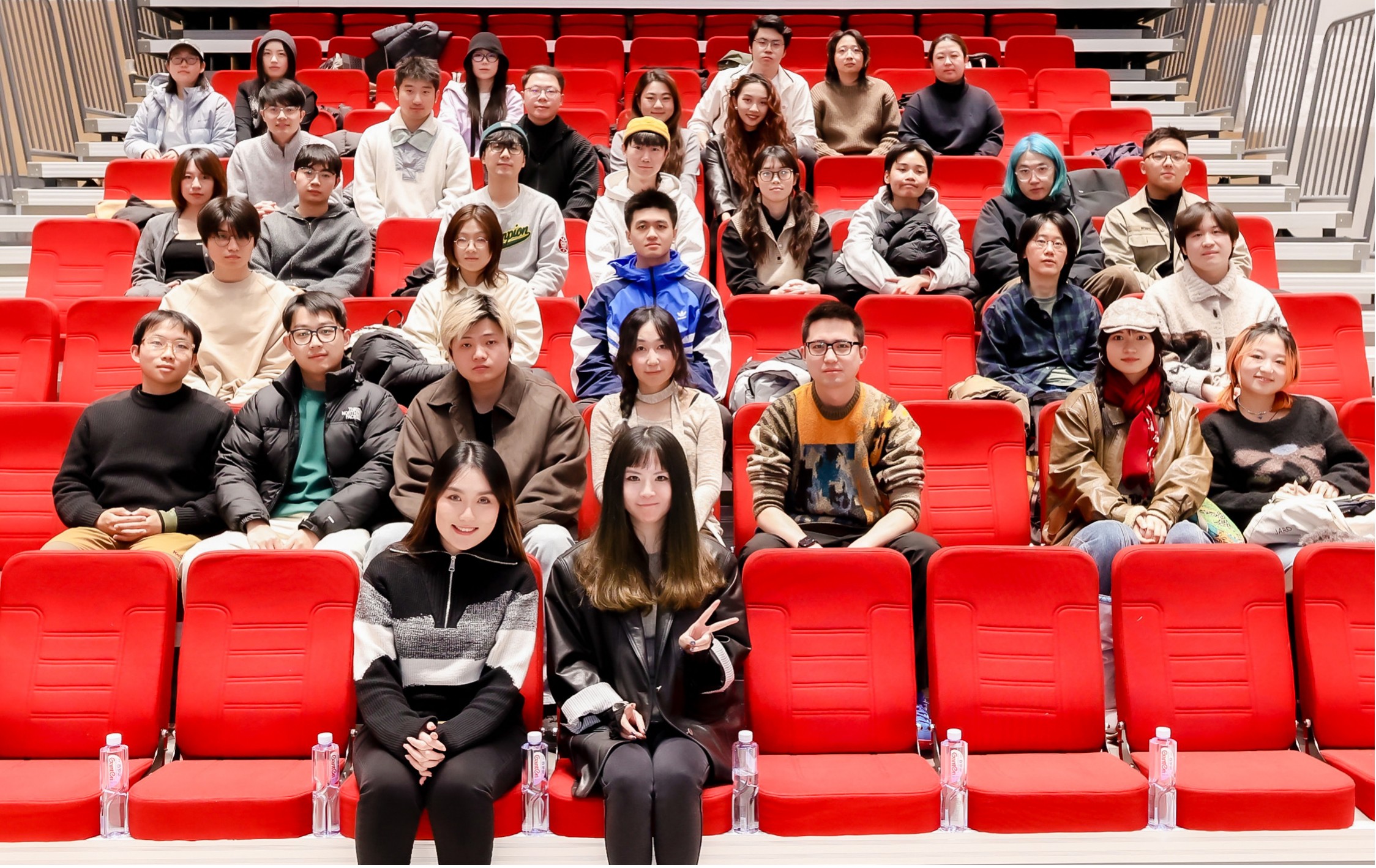
Chen Shu posed for a group photo with the Project Pitches Training Camp trainees
On January 16, this year's Project Pitches Training Camp officially opened. The first day featured screenings of the selected director-trainees' past works, sparking creative connections among everyone through some engaging visual discussions. On January 17, the Project Pitches Training Camp moved into the preliminary team formation stage. Trainees in production, cinematography, and art direction went around introducing themselves, sharing their backgrounds, past collaborations, and what they love about creating to highlight their unique skills and approaches. Subsequently, the director-trainees stepped up one by one to dive into their shortlisted projects, laying out their full vision - from the heart of the story and visual ideas to the emotional layers and what they would need for production. The 31 trainees completed their initial team-building attempts through intensive exchanges and mutual exploration, resulting in the formation of ten project-centered creative teams.

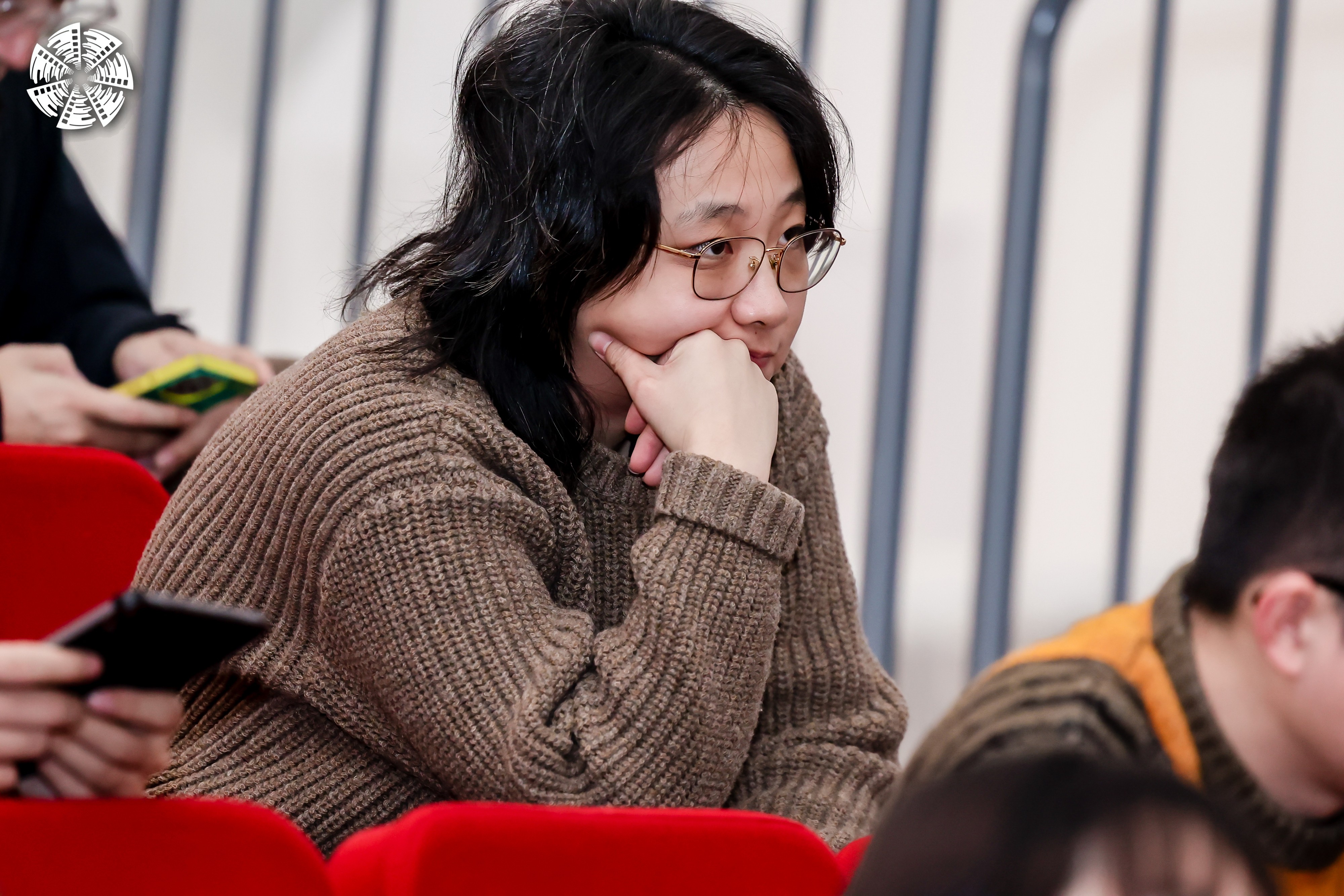
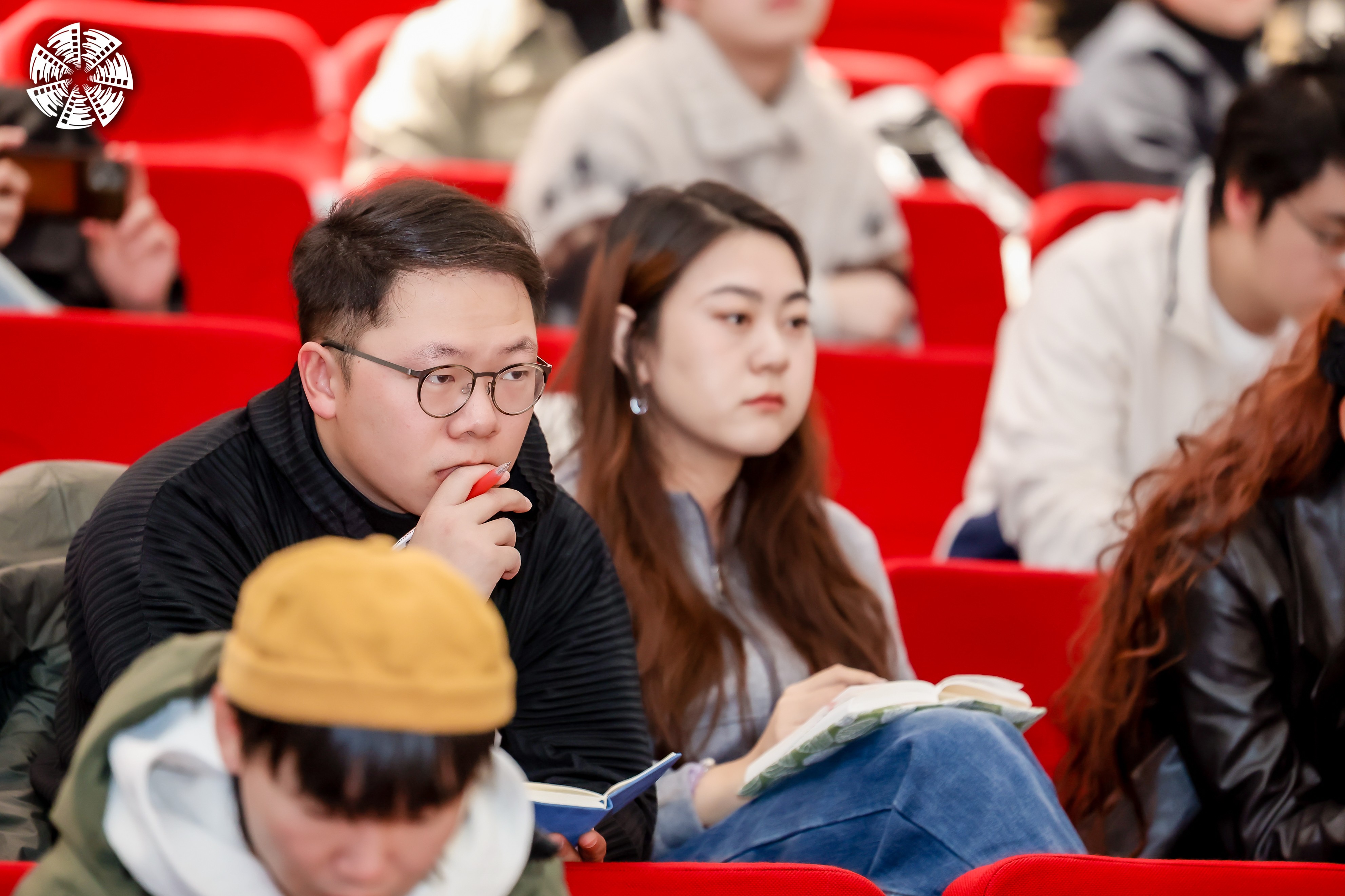
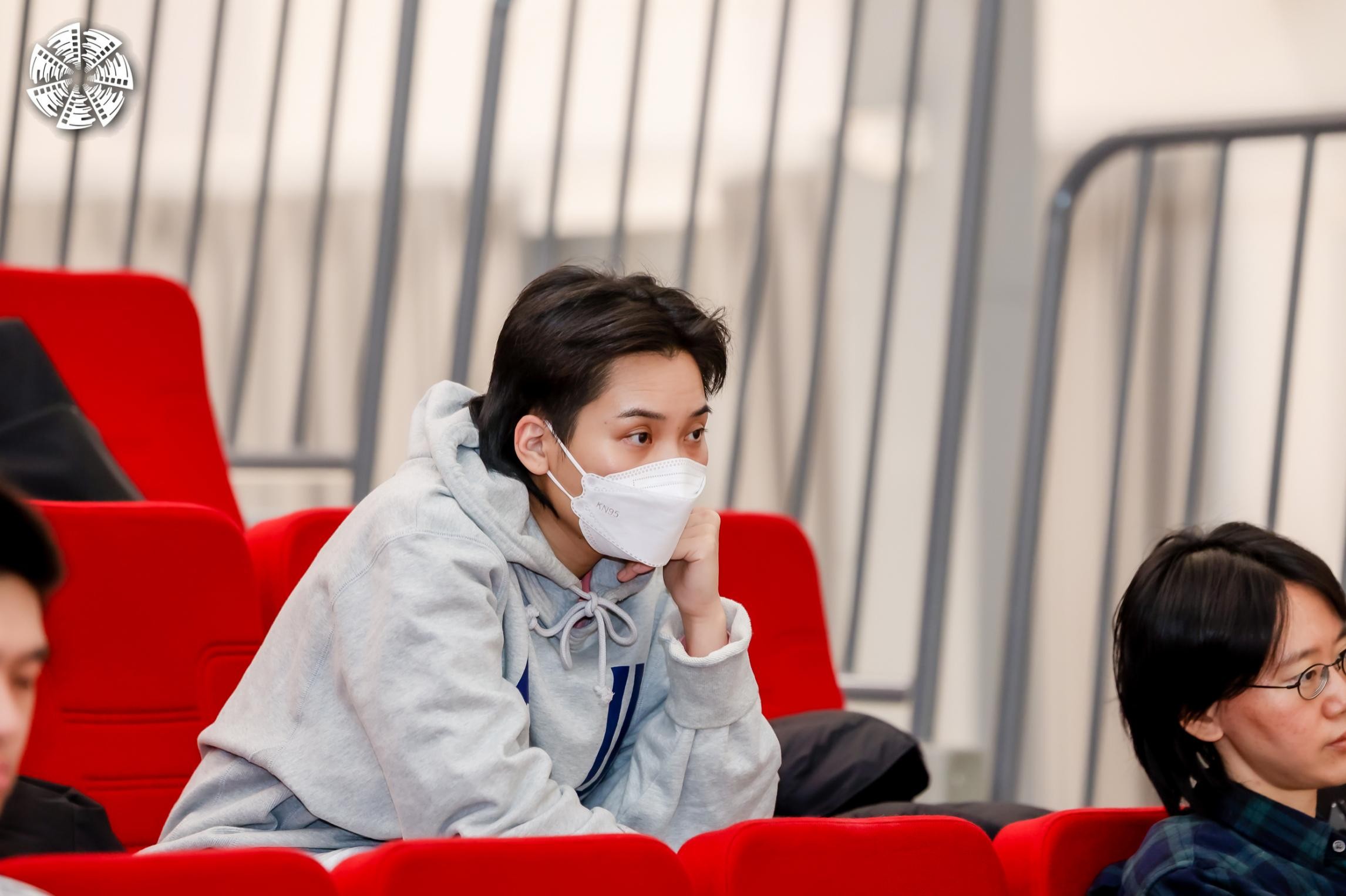
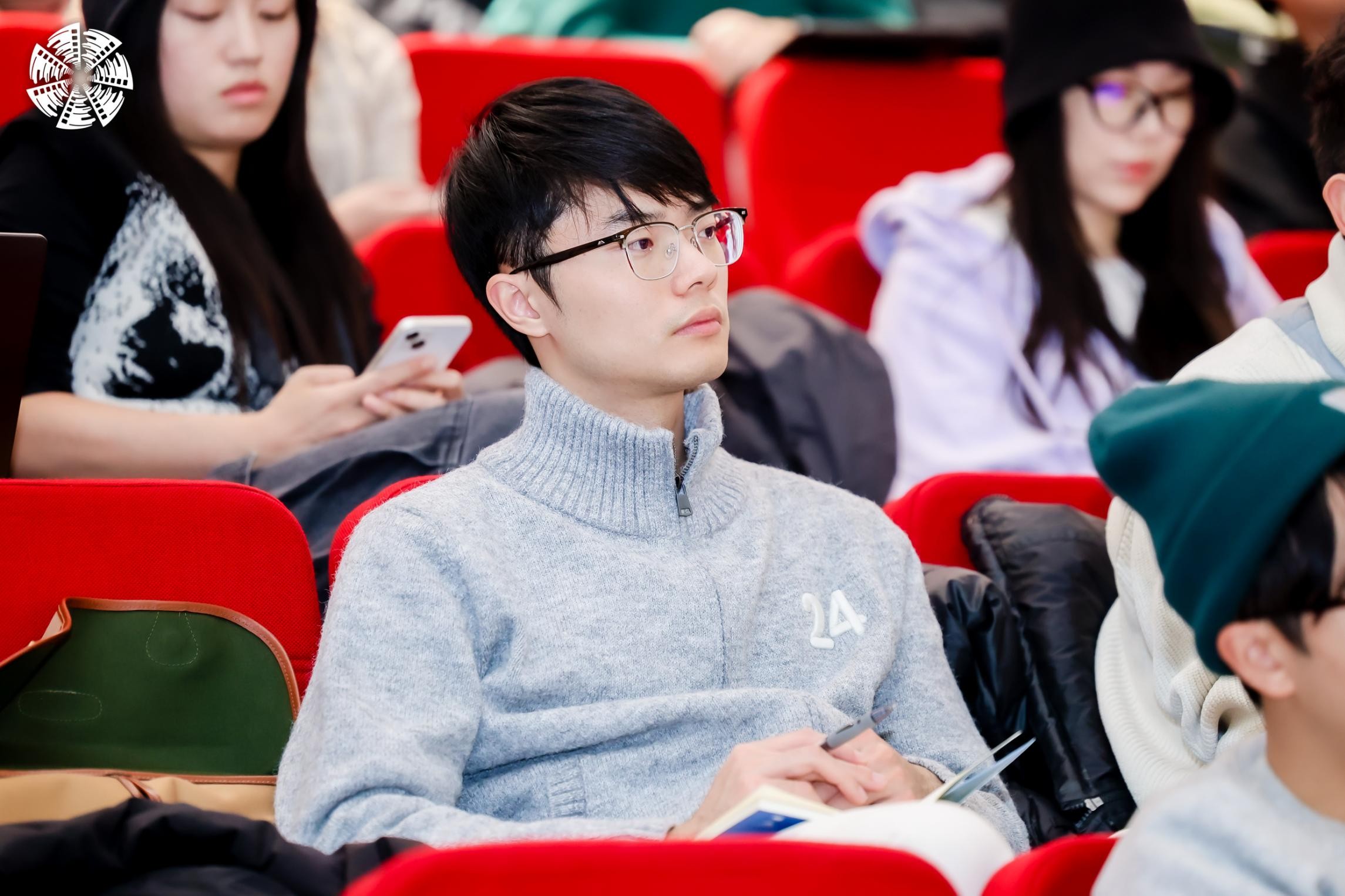
The trainees watched the previous works of the shortlisted directors
The trainees gathered here with diverse industry backgrounds and creative passions: among them were agents and producers with years of industry experience, versatile professionals who had honed their skills across roles such as directing and production, cross-disciplinary explorers who transitioned from architecture to art direction, and hands-on practitioners who had contributed to large-scale film and television projects. Some aspired to illuminate the map of China through their works, while others arrived with professional teams, patiently awaiting the right creative opportunity.
The trainees' creative philosophies are distinctly varied: some describe themselves as "self-taught", adept at capturing inspiration through conversation; others believe that "film is simple", requiring only "humanistic warmth"; while some have recently returned from abroad, deeply moved by the rich emotional depth of Chinese cinema and eager to integrate their own international perspectives. They all share a common belief: film is a collective art, and they hope to seize this opportunity - to build a shared context, communicate values, and find their tribe.

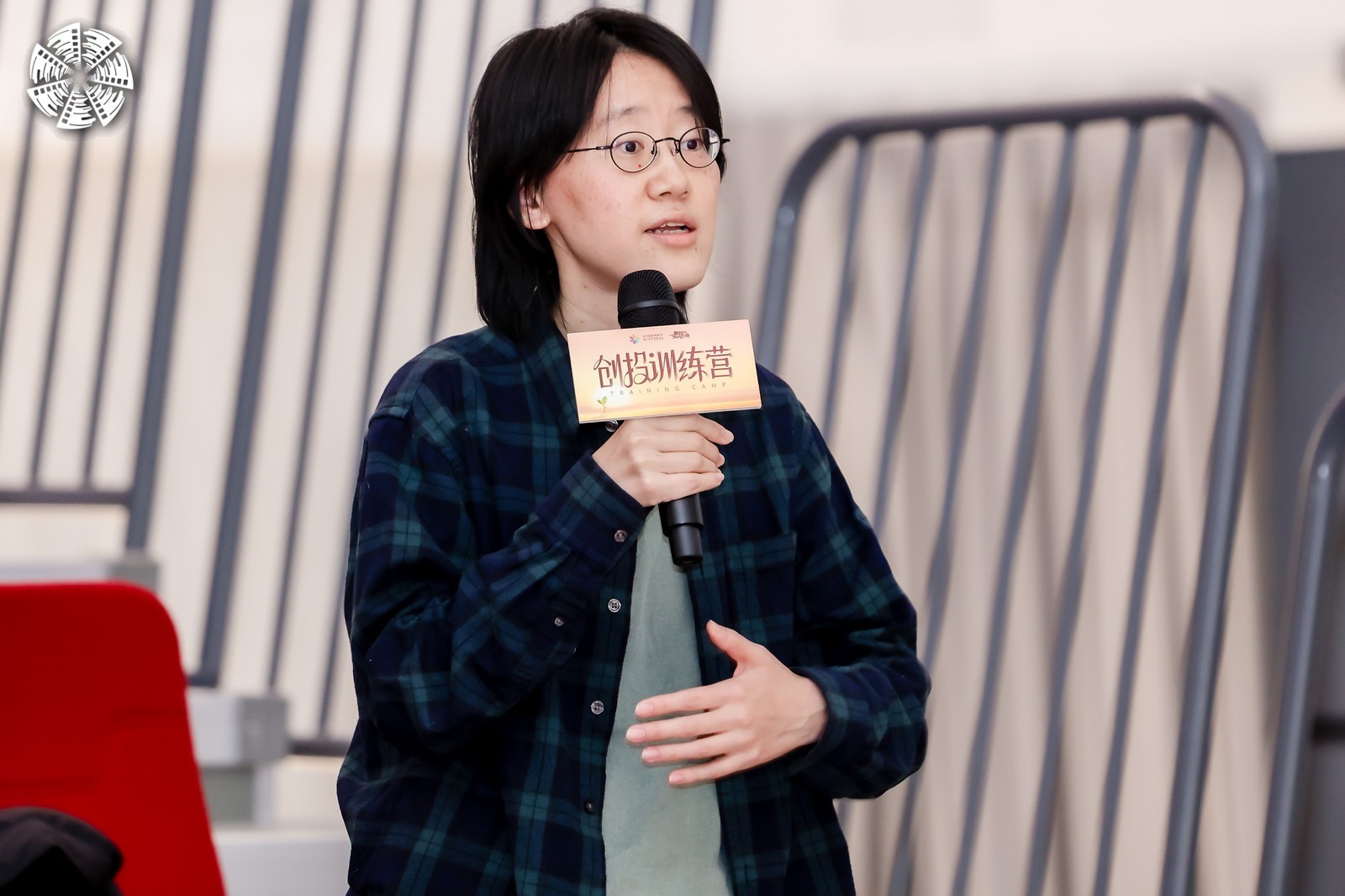
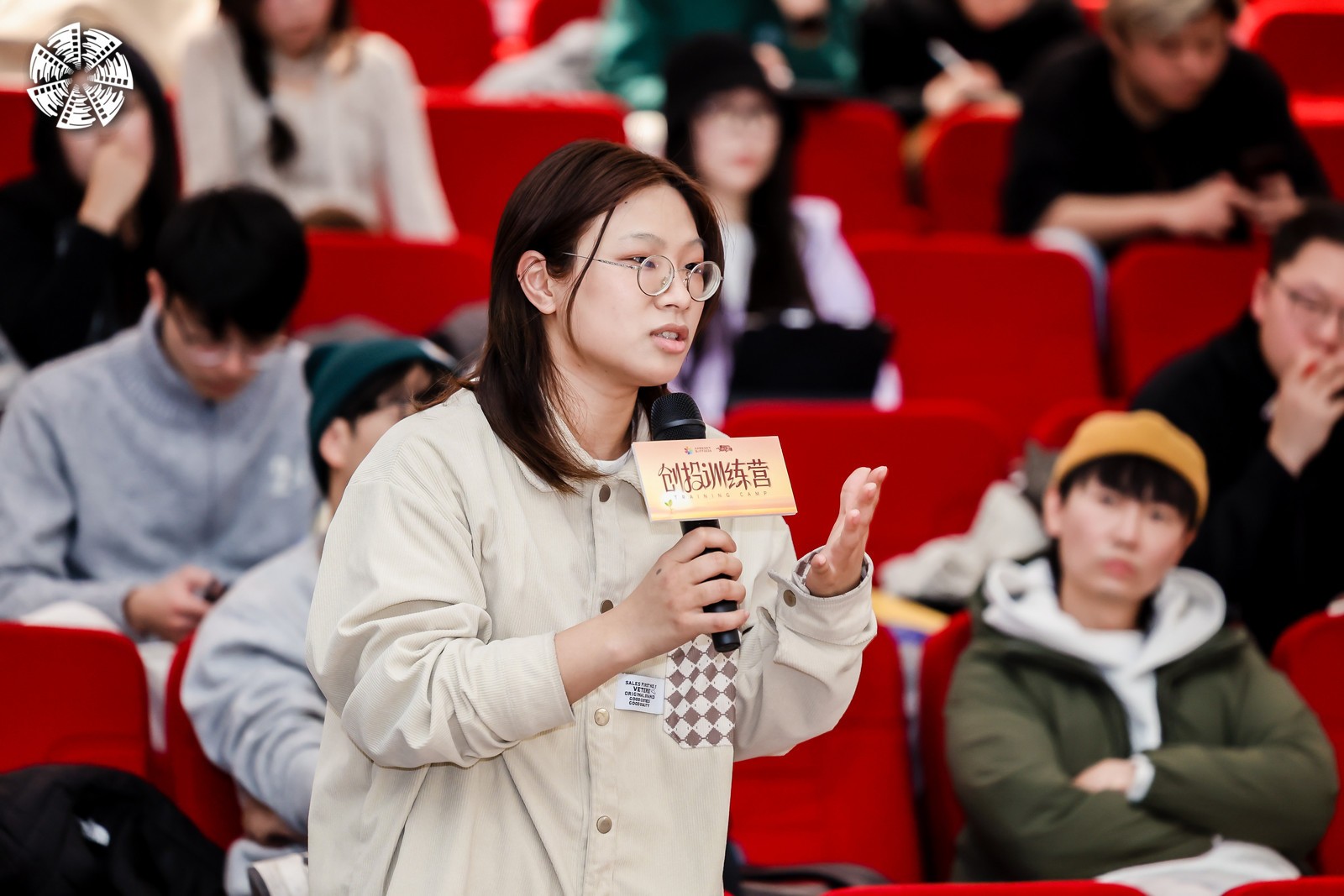
Trainees engaged in on-site exchanges
Let us hope that every participant, in this brief yet enriching journey, will forge lasting partnerships, broaden their horizons, and discover their own creative resonance.