

Project Pitches Training Camp Commences! Film Editing Mentor Zhang Yibo: The True Twist Lies in Manipulating Cause and Effect
The Project Pitches Training Camp of the 16th Beijing International Film Festival (BJIFF) is now in full swing. On January 18, the Project Pitches Training Camp welcomed a masterclass led by film editing mentor Zhang Yibo. As an influential senior editing director in China's film and television industry, Zhang Yibo has become the driving force behind multiple blockbuster films, such as Better Days, Johnny Keep Walking!, and The Shadow's Edge, thanks to his precise control over narrative pacing and ability to handle diverse styles. During this session, Mentor Zhang Yibo provided young filmmakers with highly practical creative guidance on topics such as editing techniques and sound design.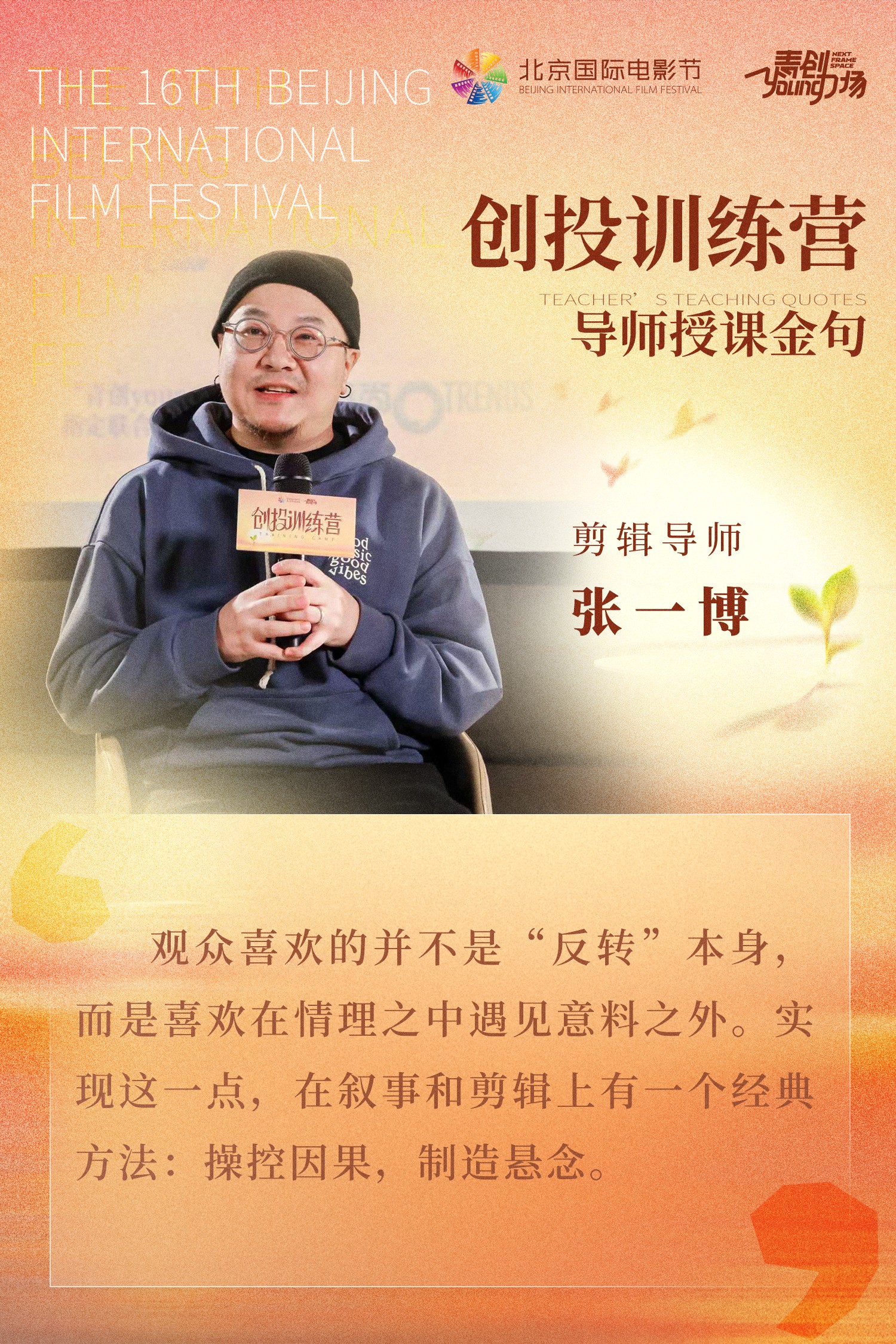
Creating Suspense: Manipulating Cause and Effect, Planting Hooks
Mentor Zhang Yibo pointed out that achieving advanced storytelling that feels "reasonable yet surprising" involves a classic editing method: manipulating cause and effect to create suspense. This is not simply about hiding information, but rather carefully designing the sequence of events - either revealing the outcome in advance to provoke questions or concealing the cause to craft a puzzle - ensuring the audience's attention remains gripped by the story.
Complementing this is the skillful technique of "planting hooks" within the narrative. Mentor Zhang Yibo described it as "using an object or a line of dialogue to first attract, then guide, and ultimately lead the audience unresistingly into the emotional core of the story". This design transforms viewers from passive receivers into active explorers.
The Starting Point of Creation: Intuition Requires Distance to Nurture
Mentor Zhang Yibo emphasized the importance of preserving one's editing intuition. "I hardly ever visit film sets nowadays," he admitted. A film crew is saturated with emotional projection and possesses its own kind of magic, yet an editor must remain a calm bystander, examining the footage with a detached rather than involved perspective. This, he noted, is the first line of defense in safeguarding intuition. In the practical projects of trainees, editing duties are often taken on by the director or cinematographer. Addressing this phenomenon, Mentor Zhang Yibo offered specific advice: during editing, strive to maintain an objective and detached viewpoint. Furthermore, avoid letting editing thinking intrude too early into the project's preparation phase, as this could compromise the intuitive creativity and on-site judgment crucial in the initial stages of production.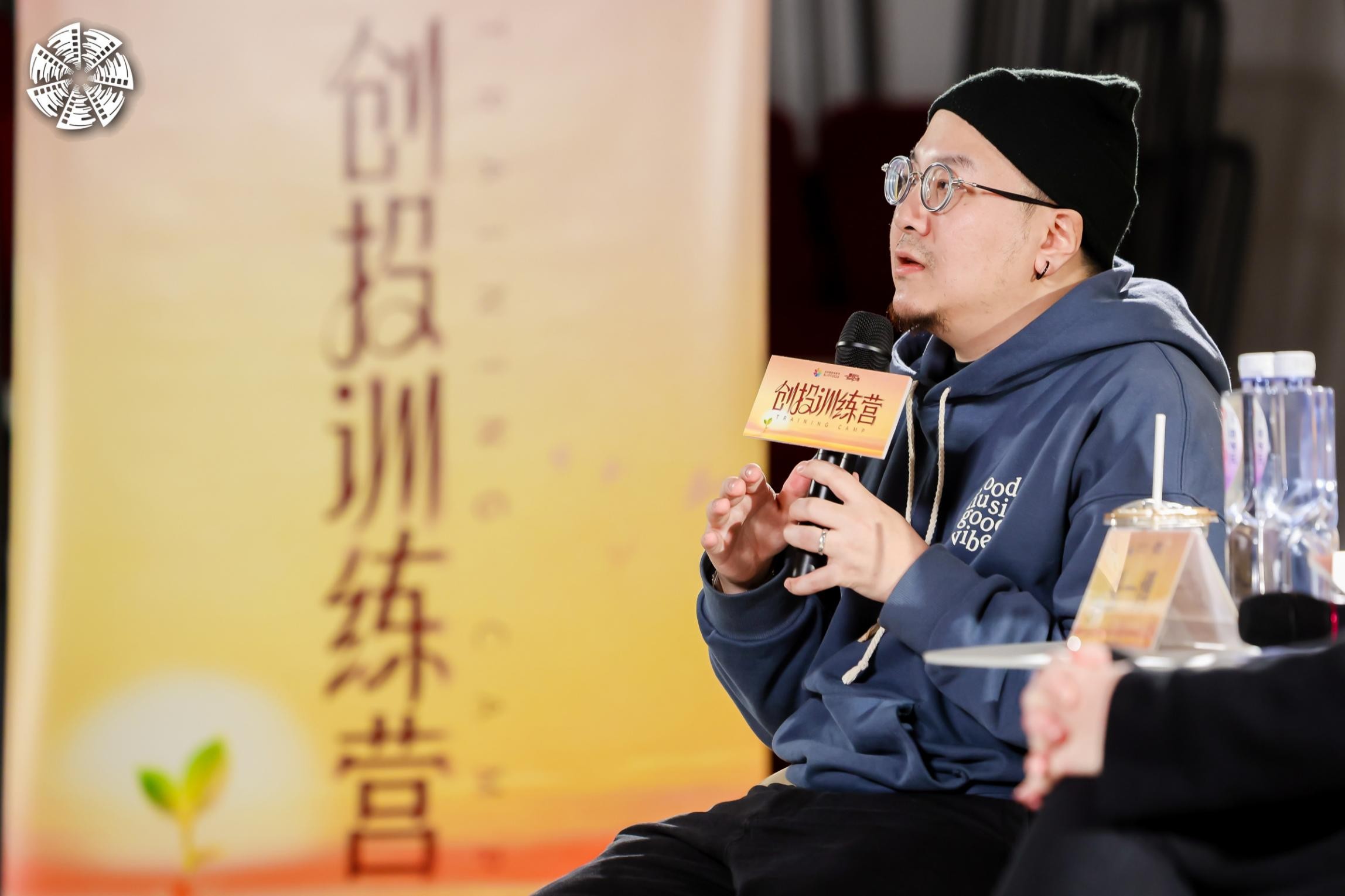
The Ultimate State of Editing: Making the Technique Itself "Invisible"
Regarding the criteria for excellent editing, Mentor Zhang Yibo believes that the best editing is when the audience forgets the very existence of editing. When all techniques related to pacing, transitions, and suspense seamlessly integrate into the story, and when viewers become so absorbed in the characters' fates that they remain unaware of any editorial cuts, that represents the highest expression of the art of editing. This demands that an editor not only possess exceptional technical skill but also a deep understanding of narrative and a conscious commitment to serving the story as a whole.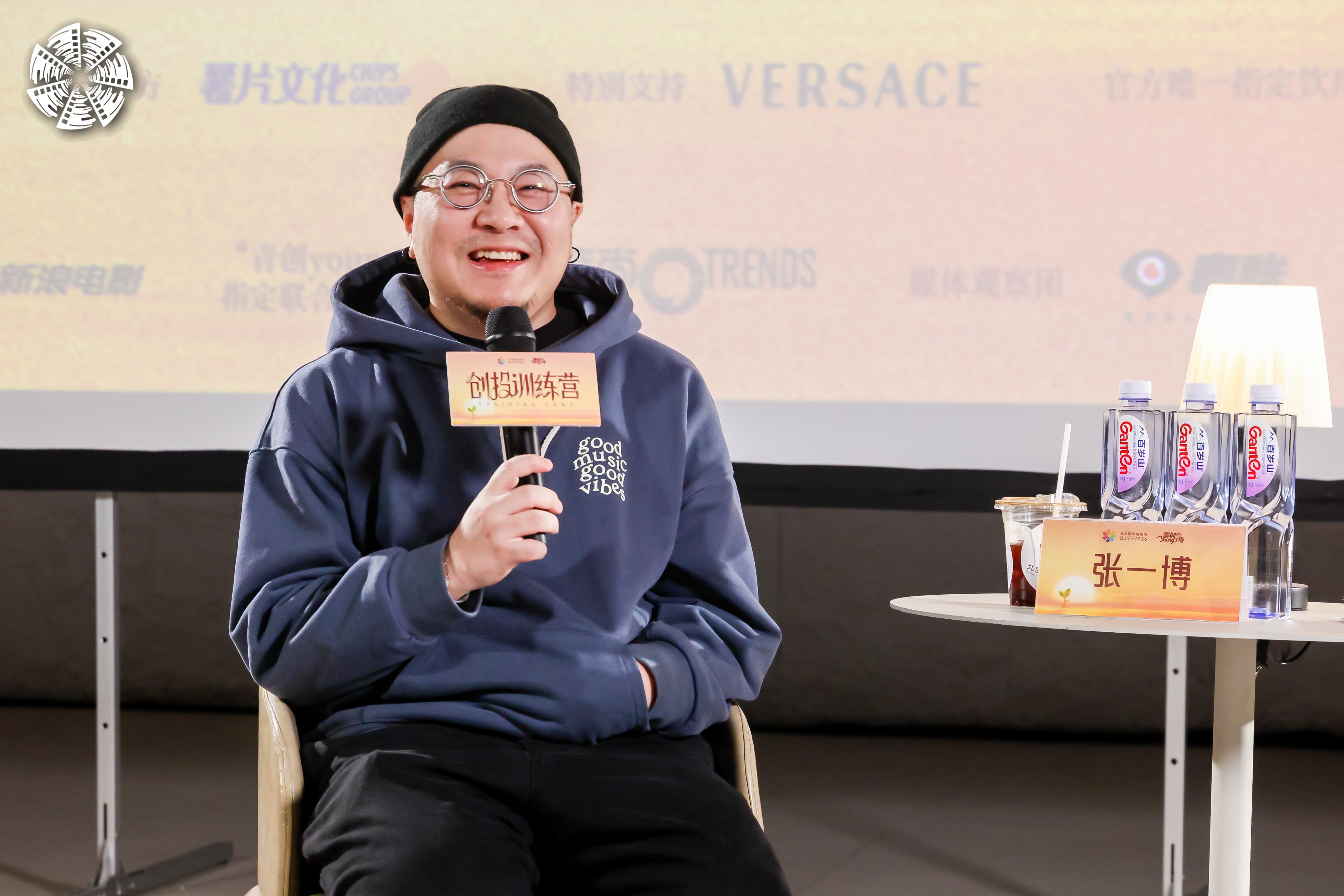
During the Q&A session, Mentor Zhang Yibo offered insightful and practical guidance in response to the creative challenges raised by trainees.
Q1: How can editors preserve their initial intuition and emotional sensitivity from being worn down during repeated editing and revisions?
Zhang Yibo: Extended experience in editing can indeed erode one's intuition. These days, I lean more on accumulated experience, which risks becoming formulaic: upon receiving footage, I instinctively know the structure, suitable music, and precise shot durations. This method is efficient and aligns with industry standards, yet it lacks the element of surprise. Editing is an art of nuance - those subtle emotional layers often hinge on decisions like trimming or extending by just five frames, which can be elusive. I advise editors to intentionally seek variety and venture beyond their comfort zones.
Q2: When editing the action sequences in the film The Shadow's Edge, what techniques did you employ?
Zhang Yibo: My preferred approach is to minimize depictions of the fighting process and emphasize the outcomes instead. When selecting footage, I prioritize the authenticity of actions, such as hand reactions, instinctive recoils, and the character's genuine psychological state and thought processes during combat. These elements often outweigh the choreography itself. For instance, clearly conveying a character's real pain upon impact can deliver a more powerful visual effect.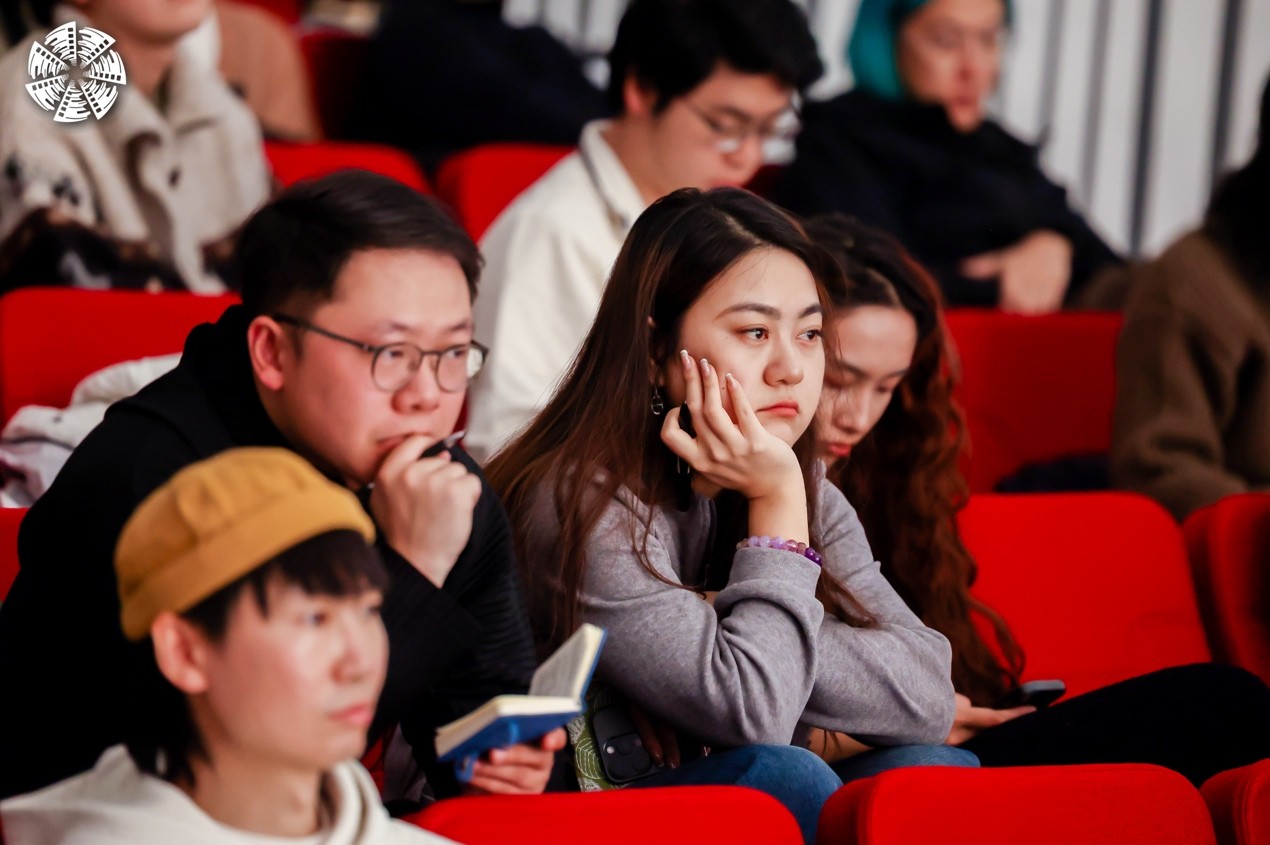
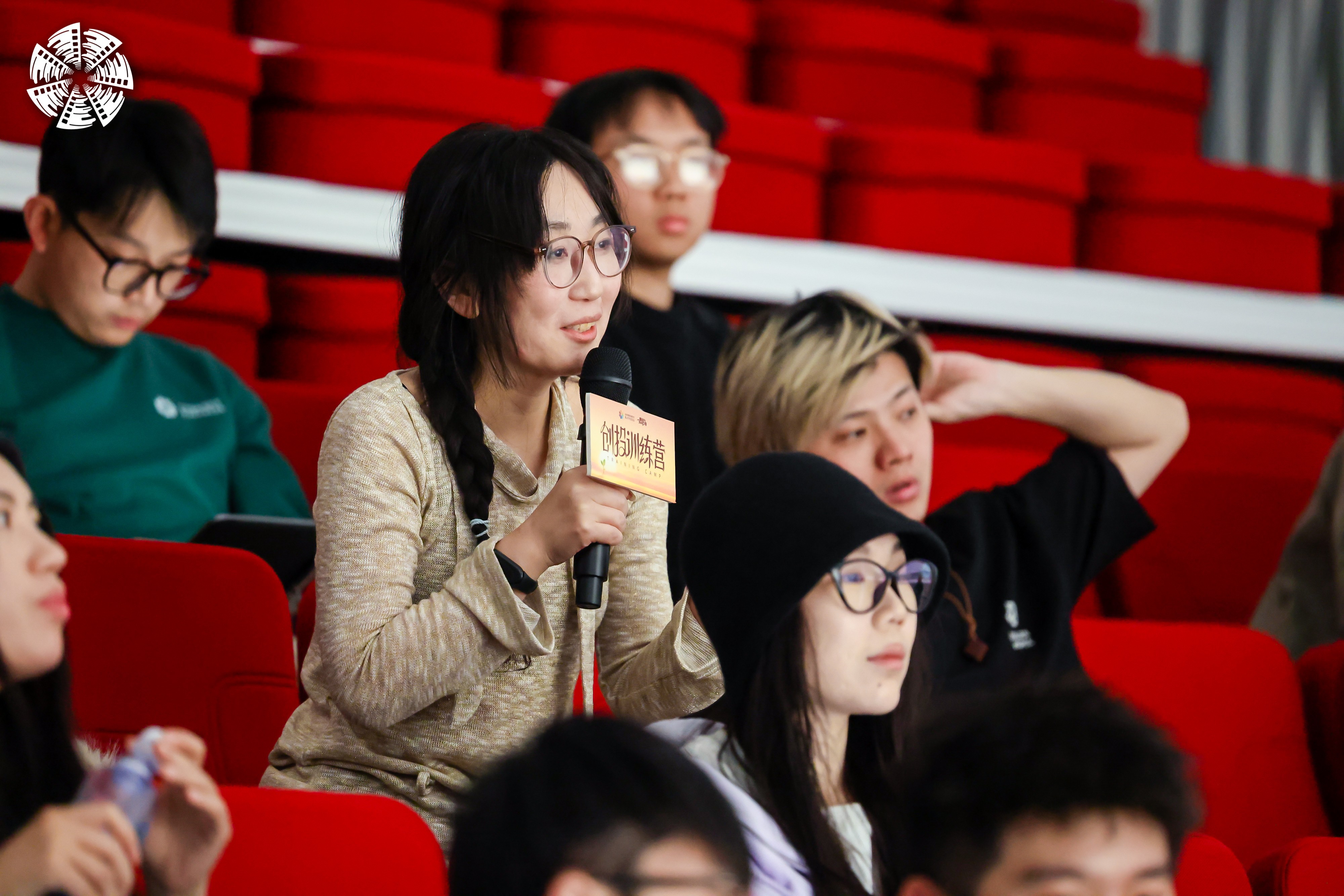
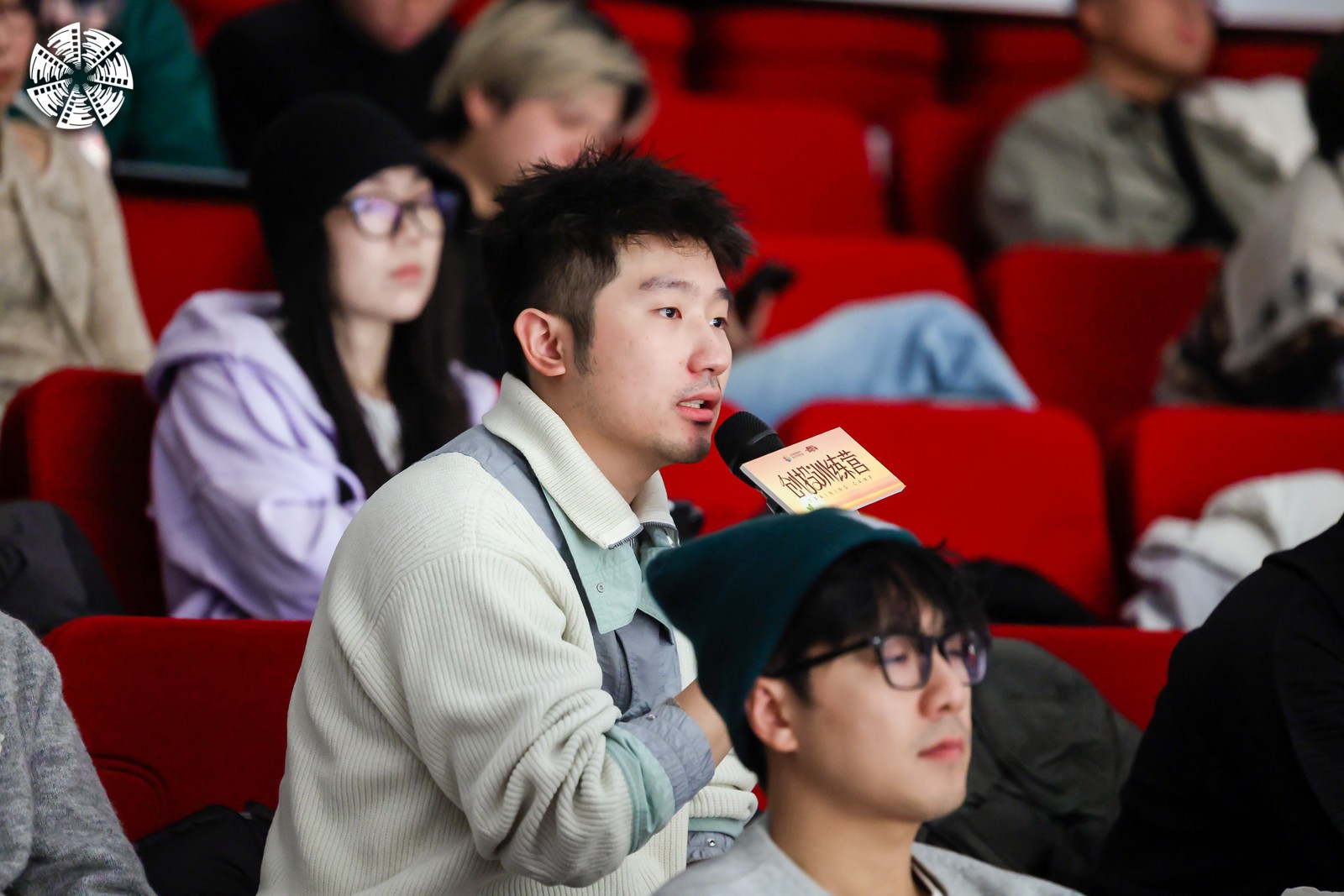
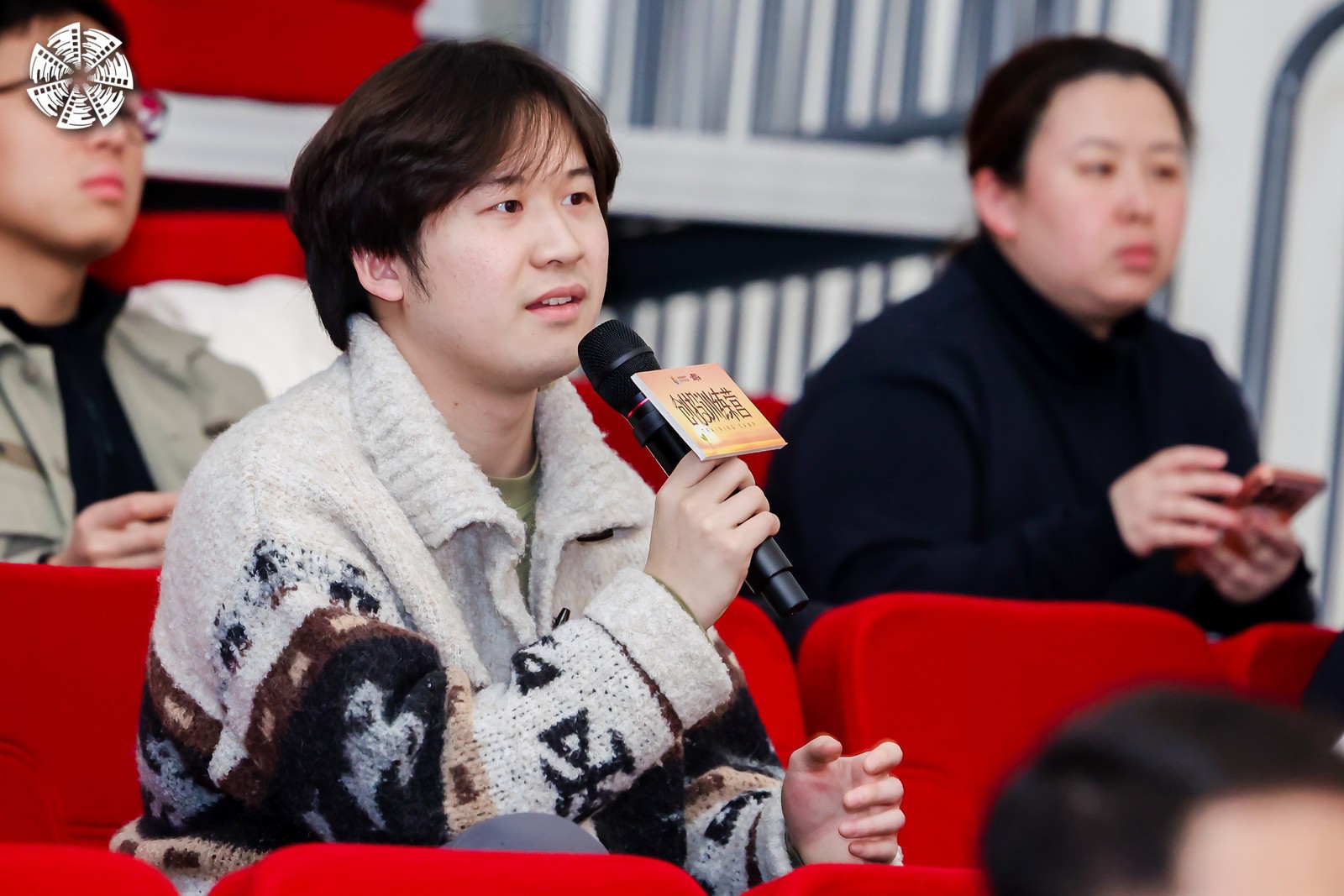
Q3: What is your perspective on the current editing trend of using numerous shots and fast pacing?
Zhang Yibo: Audience perceptions of rhythm are heavily shaped by media exposure. Most viewers today are accustomed to fast-paced narratives, influenced by short videos and series that speed up consumption. Even if one favors a more leisurely style, it's important to recognize that slower pacing can quickly test audience patience. This is not a matter of right or wrong, but rather of current trends. The scarcity of long takes nowadays stems from their often low information density. However, if a shot incorporates camera movement and blocking to deliver continuous, fresh details, audiences will engage. Thus, by optimizing information density during pre-production and filming, and using visuals to draw viewers in, immersion in the story follows naturally.
Q4: What experience can you share regarding editing comedy films?
Zhang Yibo: Avoid forcing punchlines, I think. Comedy often arises from subtle, unexpected abstractions. In Johnny Keep Walking!, the script was sharp, and Mr. Da Peng's performance was spot-on. He intuitively grasped how "everyday characters" would respond in situations, delivering lines naturally without contrivance. Some comedies fall flat due to heavy-handed humor - overreliance on intense music, exaggerated cuts, or broad acting that pressures laughter, leaving no room for audience response. There are mainly two scenarios: one is omitting pauses for laughs; the other is leaving time for laughter, but the punchline is flat and one-dimensional.
Q5: What criteria do editors use when selecting performance footage, and how is this judgment standard established?
Zhang Yibo: First, cultivate performance sensitivity by viewing extensive films and analyzing actors' techniques. Second, consider prioritizing first takes for potential surprises. In Anatomy of a Fall, the lead actress's near-expressionless delivery felt profoundly authentic. An interview with the editor revealed that many selected takes were first attempts: unadorned, not overplayed, with hints of rawness, tension, or vocal uncertainty - qualities that aligned closest to the character.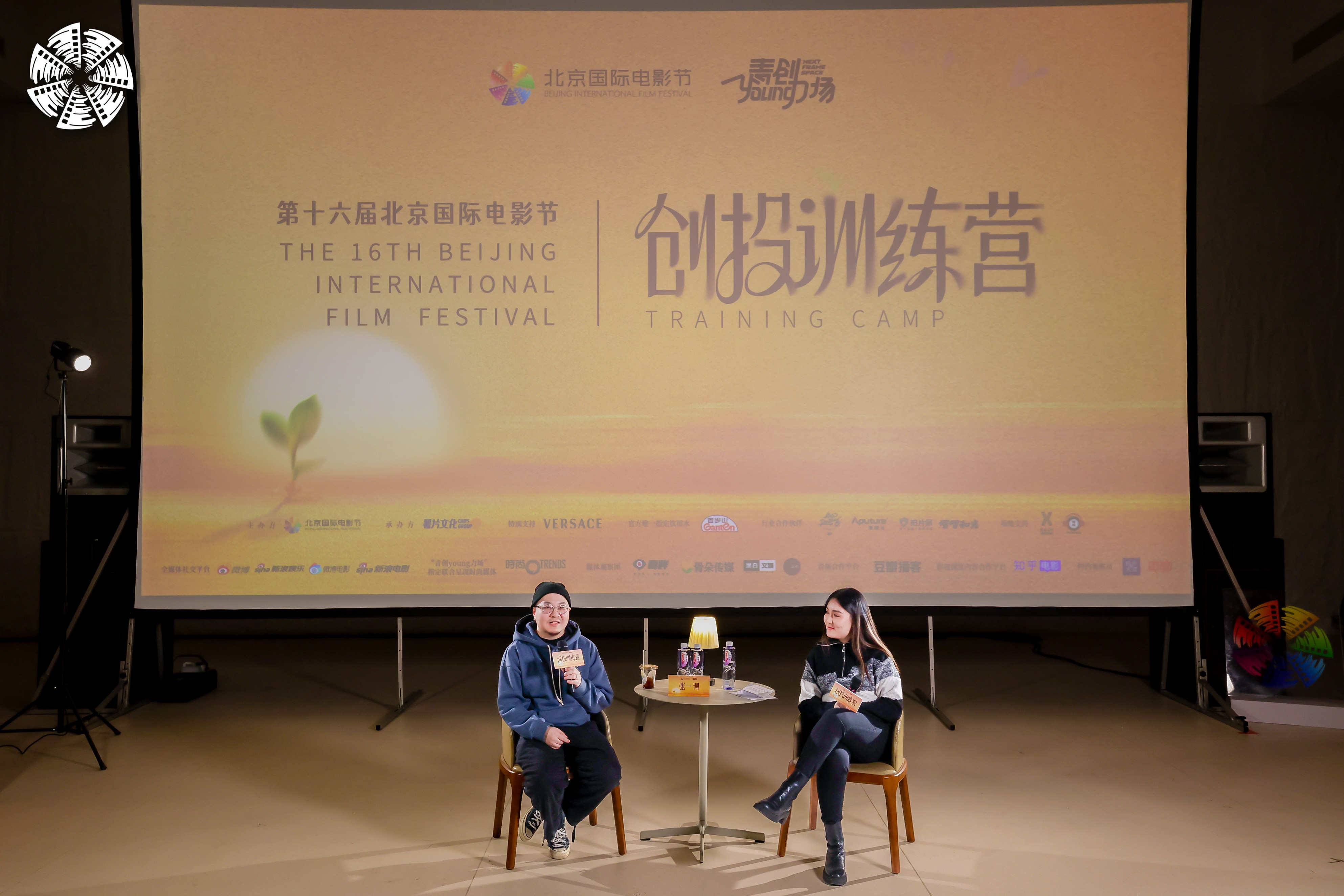
Q6: What insights do you have regarding the synergy between music and visuals?
Zhang Yibo: A frequent misstep among emerging creators is importing full music tracks from libraries and forcing visuals to conform to their fluctuations, particularly in climaxes. This can overwhelm the footage, stripping it of its natural rhythm and space. I suggest two strategies: first, listen to the music carefully, dissect and reorganize the music to build a purposeful rhythmic structure. Second, after initial playback, mute the audio and edit solely based on the visuals' and performances' inherent logic to address any discrepancies.
Q7: From an editor's perspective, what advice do you have for shooting short films?
Zhang Yibo: Given their brevity, every shot in short films must advance the narrative deliberately. Thus, clarifying creative intent pre-shoot is paramount. Continually question: Why this shot? What does it communicate? Thinking about this before shooting is far more important than relying on post-production fixes. For example, filming someone seated in a room yields different information and rhythm via a dolly-out versus a pan. Shots chosen merely for aesthetics, without defined purpose, often end up discarded in editing.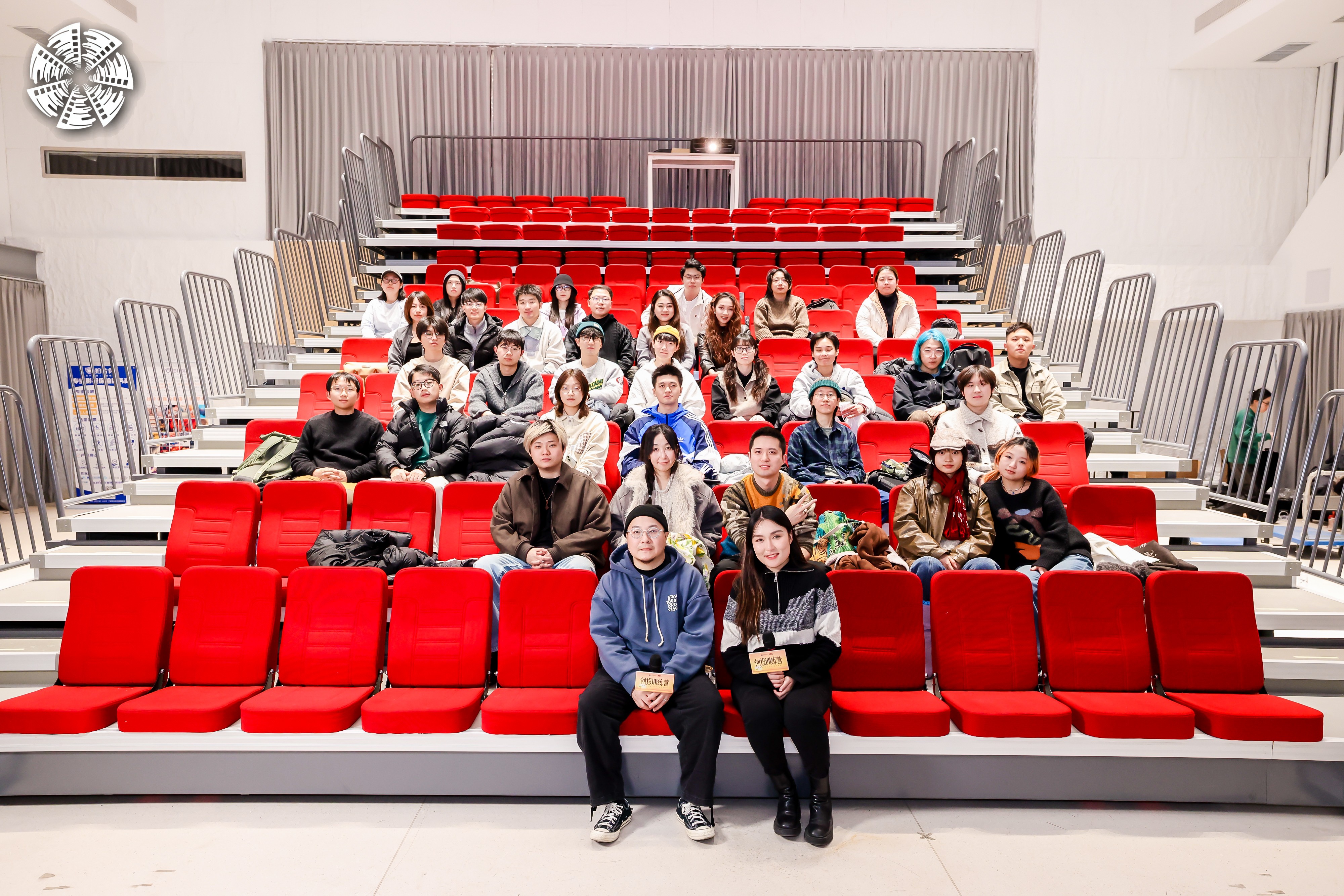
Editing transcends mere technical completion; it is the culminating creative phase that infuses a work with soul. Through structured insights spanning specific techniques to creative philosophy, Mentor Zhang Yibo equipped trainees with a clear, actionable editing framework. In today's fast-paced content production landscape, this steadfast commitment to the essence of storytelling and keen insight into audience psychology are precisely what enable professional creators to stay focused and deliver resonant expressions.
With the screenwriting and editing classes now successfully concluded, trainees have advanced to the one-on-one script guidance stage. On January 19 and 20, screenwriting mentor Chen Shu would address key aspects such as script structure, narrative pacing, and character development. Customized to each shortlisted project's style, her in-depth analyses and tailored recommendations will help director-trainees overcome creative bottlenecks and refine their submissions for greater polish.