

Film+
-
Game-Based Animated Films Exhibition

- Overview
- Exquisite Appreciation Event
- Selection & Screening of College Student Works - Excellent Animated Short Films
- Selection & Screening of College Student Works - Outstanding Animated Short Films
- Selection & Screening of College Student Works - Jury-Recommended Animated Short Films
- Selection & Screening of College Student Works - Shortlisted Animated Short Films
- AIGC Game IP Short Video Competition
- E-Sports Celebration for Filmmakers
- Ceremonies
- End of River" School-Enterprise Cultural Seminar
- Everlasting BJIFF on Campus Series
- Previous Highlights
-
Film + Fashion Section
-
Star Horizon Project
-
Run for Fun
-
Art&vision certain unit
-
Animation Films Section Series Activities
Systematic Conception Over Transient Inspiration Sparks: Screenwriting Wisdom from Sun Yue at the NEWHER Workshop Screenwriting Training Course
"True screenwriting begins long before the pen touches paper." - Sun Yue
In an era where AI permeates daily life and online novel IP adaptations dominate the market, a truly good story remains an invaluable treasure. The NEWHER Workshop screenwriting training course recently invited Sun Yue - the acclaimed screenwriter behind beloved works such as Hidden Man and Trapped, and recipient of the Best Screenplay Award at the 15th Beijing International Film Festival (BJIFF)'s Tiantan Awards - to lead a masterclass on the craft. Sun Yue shared her insights into the art of screenwriting, exploring the complete creative journey, from the first flicker of inspiration to the rigorous discipline of the final draft, while addressing the challenges creators may face along the way.
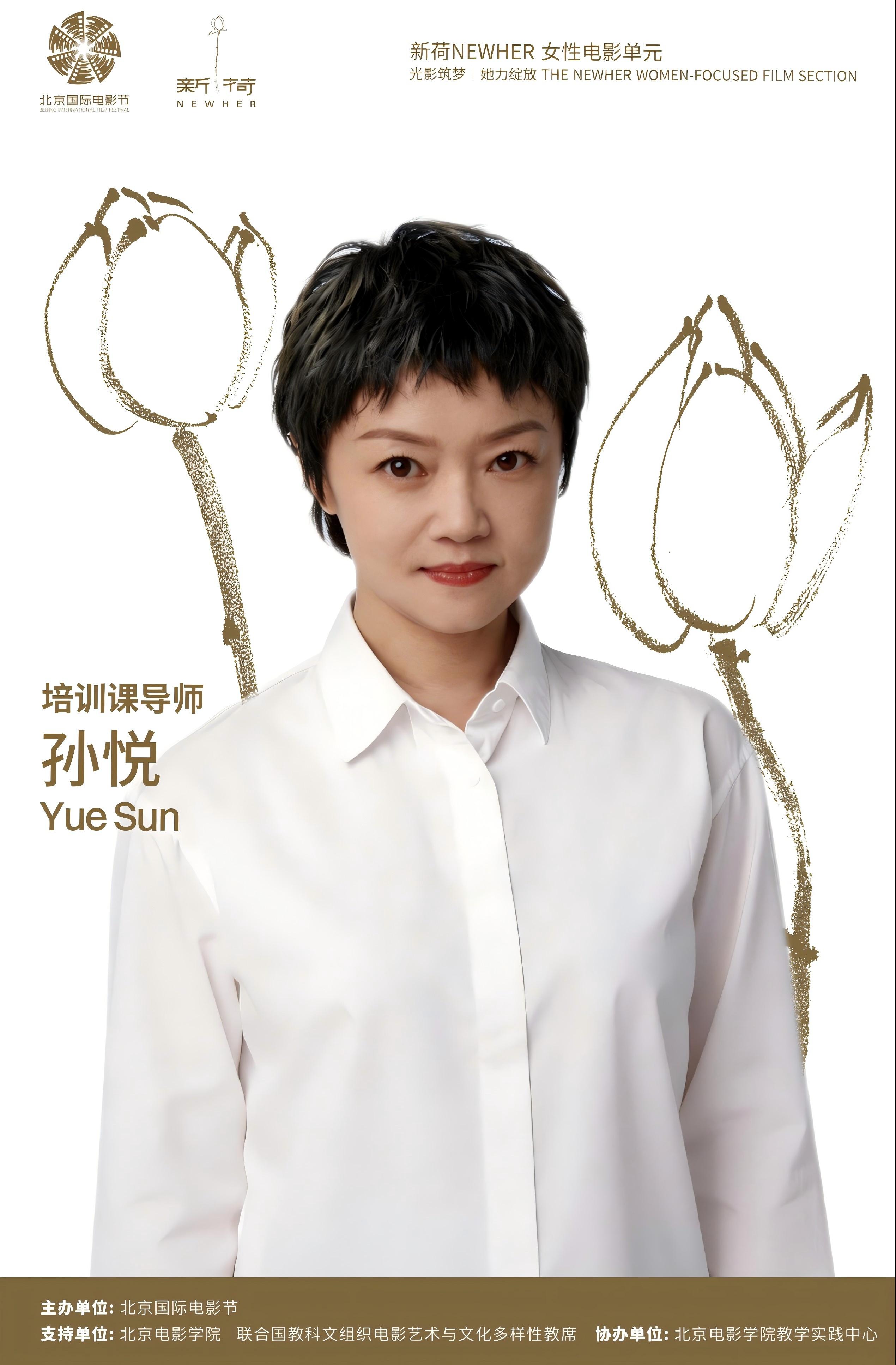
Sun Yue, NEWHER Workshop Screenwriting Training Course Mentor
Diverse Sources of Inspiration and Key Principles of Transformation
"Inspiration is never a singular event," Sun Yue explained when describing the sparks that ignite a story. "It might emerge from a vivid character, a visceral emotion, or a haunting atmosphere. As long as it stirs something within you, it is a valid starting point for creation."
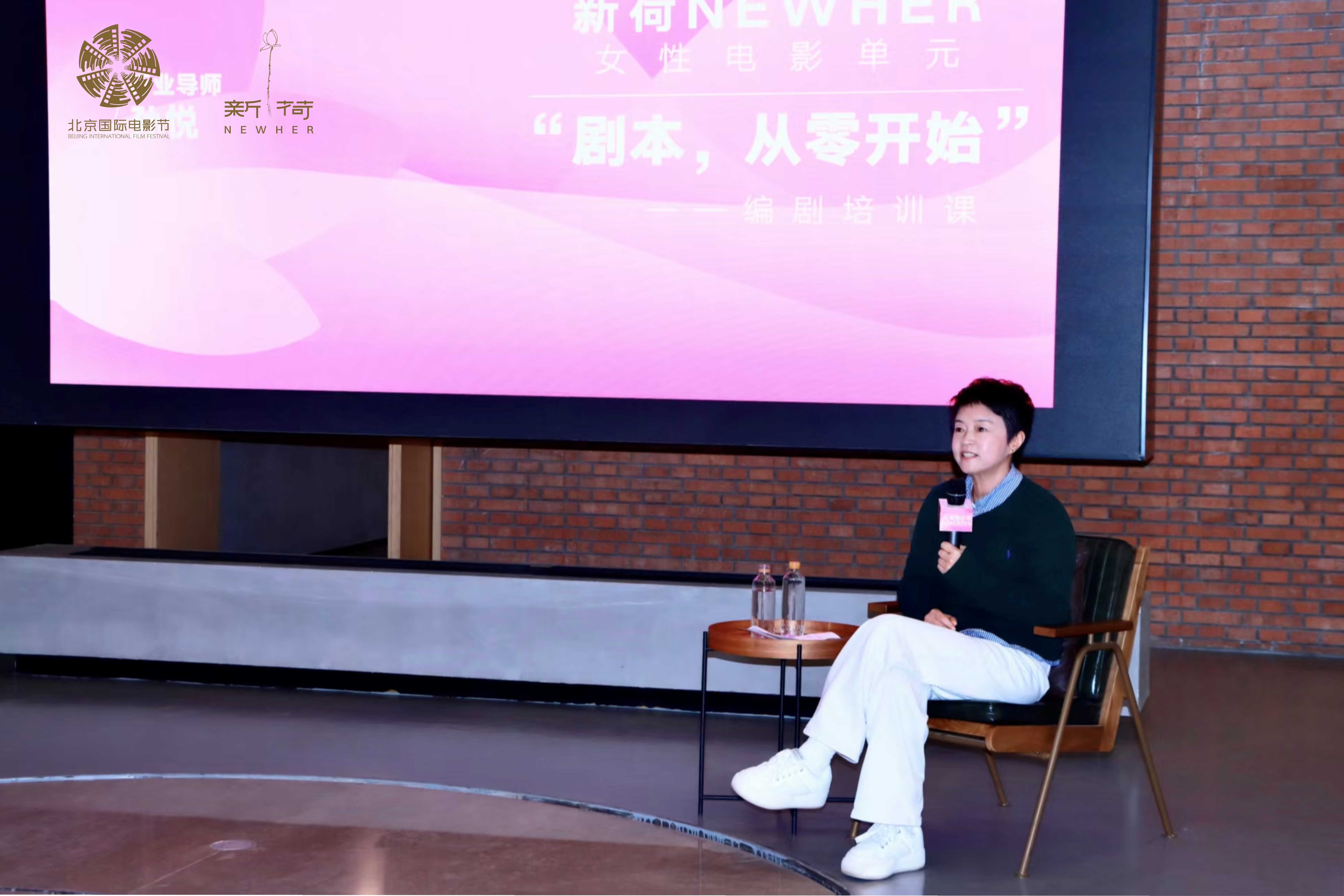
Sun Yue Explained the Starting Point of Screenwriting in Class
However, inspiration is merely the starting point, not everything. Sun Yue offered three core principles for managing this initial stage:
Nurture the Momentary Spark: "Never dismiss a sudden flash of insight. Even if it feels fragmented and vague, it is the seed of a much larger narrative."
Maintain Creative Fluidity: "Screenwriting is not a rigid path. Themes should remain flexible, allowing for bold revisions and continuous calibration to enrich the story."
Move Beyond Pure Intuition: "Many writers stall when their initial excitement fades. They blame it on 'running out of inspiration'. Professional creation requires the discernment to develop an idea systematically once the "rush" of inspiration ends."
In terms of choosing a starting point, Sun Yue particularly emphasized three pitfalls to watch out for.
The Trap of "Eye-Catching Concepts": "When selecting a theme, you need to think clearly: Does this subject have universal appeal? Can it find a point of connection with the audience? Do not sacrifice the story's core value for the sake of a hollow, attention-grabbing gimmick."
The Pursuit of "Trends": "Market trends are fleeting. Writers should pursue "timeless humanity" rather than chasing temporary topics that may be obsolete by the time the film is produced."
The Risk of "Self-Indulgence": "Stories that are purely self-centered often fail to connect. A writer must step outside their own perspective to find the universal value in their narrative."

Sun Yue Explained Screenwriting Methods at the Training Course
Theme First: Anchoring the Creative Vision
Sun Yue believes, "The theme must come first. If you don't know what you want to express before you start writing, the story will inevitably lose its way."
How to Set a Theme?
"A theme must be concise and clear, not complicated or vague. The clearer the theme, the more defined the story's trajectory."
How Is a Theme Conveyed?
"The theme isn't delivered through voice-over narration; it's naturally revealed through the characters' actions," she explained, highlighting the key point: "Whatever you want to express, you need to design corresponding character actions. Let the audience experience the theme through what the characters do. This ensures the message is felt, not just heard, preventing a disconnect between the writer and the viewer."
The Narrative Engine: Four Core Driving Forces
Before writing, one must identify the story's primary engine. Sun Yue summarized these into four categories:
Character-Driven: "Centered on the fate of a character, with the plot unfolding around their choices."
Relationship-Driven: "Focused on a unique relationship between characters, where conflict arises from the inherent tensions within that relationship."
Plot-Driven: "Common in high-concept commercial films, where the plot takes precedence, and characters or their relationships may appropriately take a backseat to the narrative progression."
Emotion-Driven: "Built around a specific emotional atmosphere or mood, driving the story forward through emotional resonance."

Young Creators at the NEWHER Workshop Screenwriting Training Course
The Professional Toolbox: Craft and Mindset
How to Craft Good Dialogue?
Balancing "subtext" with "dramatic task" is the key: "Good dialogue needs subtext, but you can't neglect the dramatic task in pursuit of that subtext." Sun Yue proposed a practical framework: "For every scene's dialogue, first clarify whether its core task is to advance the plot, shape the character, or convey information. Once that task is accomplished, then weave in the subtext. This way, the audience can both understand the surface meaning and savor the deeper layers." She recommended a model for study: "I suggest everyone read more of Martin McDonagh's scripts. His dialogue is masterfully crafted - almost every line carries double or even multiple meanings. This kind of dialogue isn't achieved through ornate language, but through precise emotional expression and well-designed subtext. You can analyze his scripts line by line to see how he incorporates subtext while simultaneously fulfilling the dramatic task."
How Does Adaptation Balance the Original Work and Recreation?
Sun Yue emphasized that adaptation is not about copying the original work verbatim. Instead, it involves identifying the core spirit of the source material, then reinterpreting it through a cinematic lens while incorporating one's own creative insights.
What Mindset Should a Screenwriter Maintain?
First, maintain curiosity about life while also cultivating a discerning eye and judgment - being able to discover creative material in everyday life, and also discern which material is worth delving deeper into. Second, hold onto a healthy dose of creative arrogance and prejudice - establish your own creative benchmarks and stand by your artistic convictions. Third, balance reason and emotion - while writing, use rationality to steer the story's direction and refine the plot, but also immerse yourself deeply in the characters' emotions, ensuring the story has both logic and warmth.
How to Become a Good Screenwriter?
At the conclusion of the training course, Sun Yue offered a counterintuitive piece of advice regarding the screenwriter's identity: "I suggest young creators become 'amateur screenwriters' first, before becoming 'professional screenwriters'." She further explained, "Don't confine yourself to the identity of 'screenwriter'. Read widely beyond your field; go out and experience different facets of life; accumulate diverse knowledge and life experiences. This knowledge and these experiences - which may seem unrelated to screenwriting - will ultimately become the raw material for your creations, giving your stories greater depth and texture."
The essence of the craft is refining chaotic thoughts into a coherent narrative. And the starting point of this refinement always lies before the pen touches paper. A luminous destination requires a well-considered starting point. In the NEWHER Workshop screenwriting training course, Sun Yue not only emphasized the importance of pre-writing contemplation but also provided concrete advice on how to sustain momentum once the direction is set - ensuring that fleeting sparks of inspiration can be refined into a story that shines bright enough to withstand the test of time.
Q&A 
A Young Creator at the Scene Asked Questions
Q:“请问怎么才能避免创作与他人雷同?”
Q: "How can I avoid making my work look like everyone else's?"
Sun Yue: "A creator's 'unique eye' is fundamental. The key to avoiding similarity is not 'working in a vacuum', but rather 'proactively referencing and innovating in reverse'. Before writing in a specific genre, study the existing masterpieces of that genre - not to imitate, but to clarify 'what others have already done'. Only by understanding others' techniques and approaches can you identify directions for 'reverse engineering' and forge your own uniqueness in plot progression, detail design, and character development. For example, if others depict female independence through workplace struggles, could you focus instead on female awakening within family relationships? If others rely on intense plot-driven narratives, could you employ nuanced emotional expression? Find differentiated entry points, and you can avoid similarity."
Q: "There are times when I have no inspiration at all and simply cannot sit still. Do you have any advice for overcoming this?"
Sun Yue: "The only real solution is to 'sit down and write'. Inspiration isn't something you wait for; it's something you generate by forcing yourself to show up at the desk. Find any entry point and start moving forward. You will find that your ideas only begin to crystallize once you are in the middle of the process."
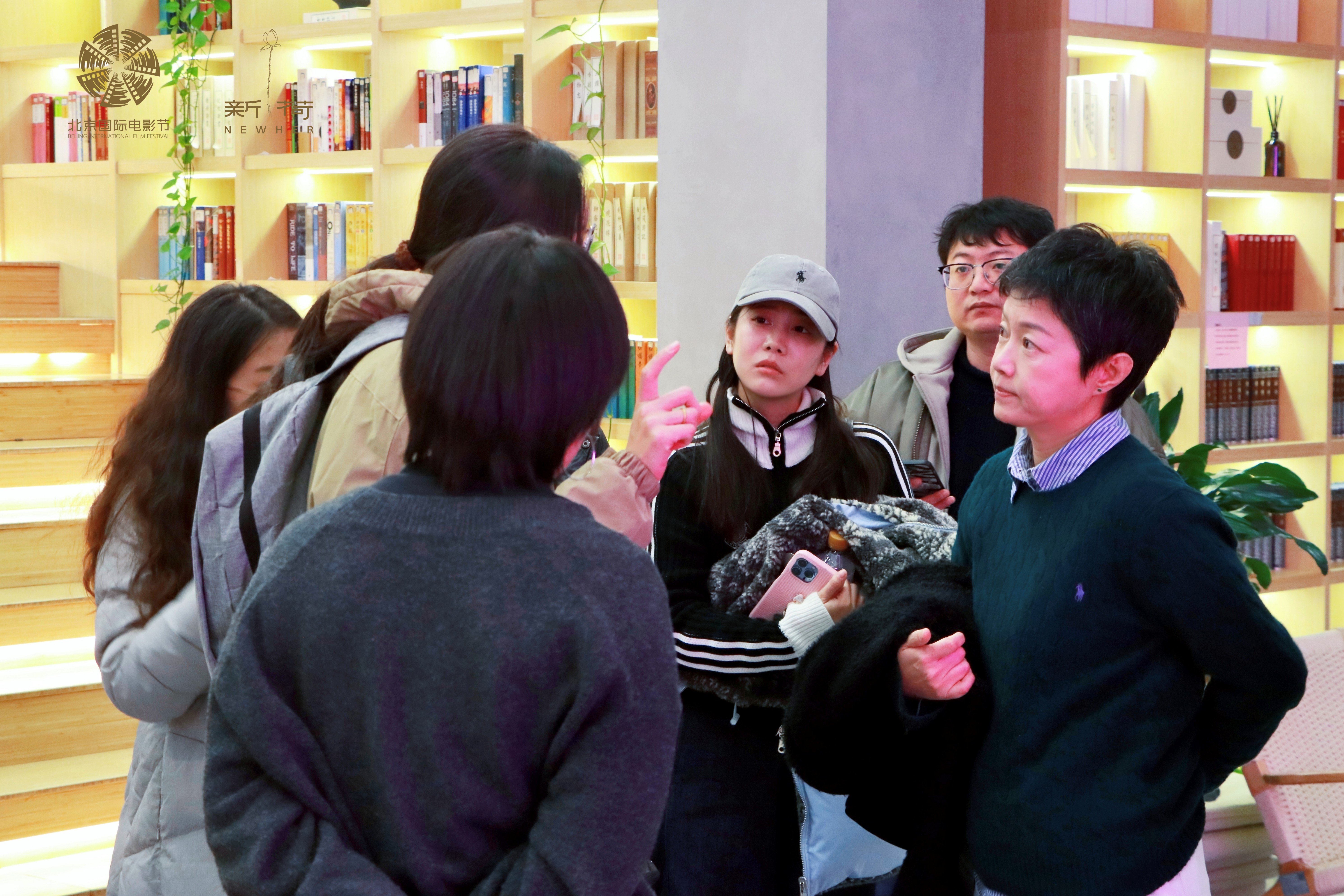
Sun Yue Communicated with Young Creators Following the Course
Q: "From a director's perspective, how do you select the right screenwriter for a project? Conversely, as a screenwriter, how do you stand out and secure a commission?"
Sun Yue: "I always encourage young directors to write their own scripts whenever possible, as no one understands your vision better than you do. However, if you are looking for a collaborator, the priority must be the 'human fit'. First, there must be a genuine, shared passion for the subject matter. Second, your aesthetic sensibilities must be aligned. Finally, there must be seamless communication - a foundation of mutual respect that allows both parties to troubleshoot and solve problems together. Whether you are a director choosing a writer or a writer pitching for a project, never force a collaboration that doesn't play to your inherent strengths."

Sun Yue Took a Group Photo with the Young Creators at the Scene
